HARVEST MOON HAIKU
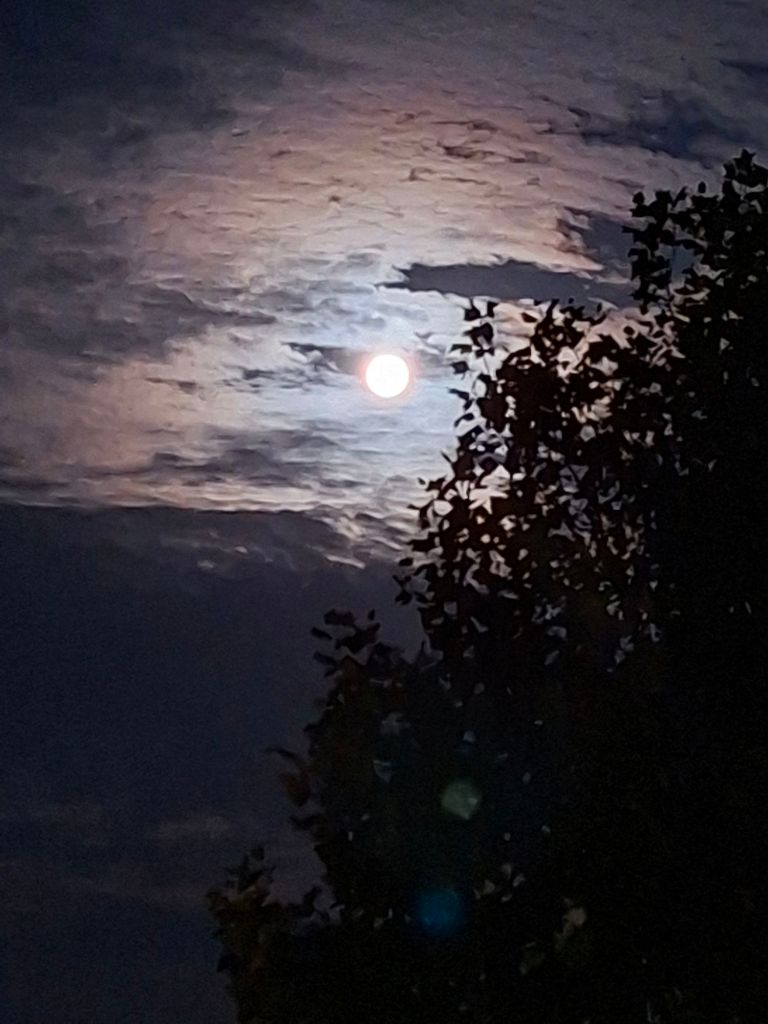
wild and broken light
defies the surrounding dark –
I thank the full moon

wild and broken light
defies the surrounding dark –
I thank the full moon
The American born poet Ezra Pound (1885-1972) is credited with the first English language haiku, written in 1913 (1,2). He described it at the time (1) as a ‘hokku-like sentence’ and used two lines rather than three. A title provides some of the context, which differs from Japanese practice.
IN A STATION OF THE METRO
The apparition of these faces in the crowd:
petals on a wet, black bough.
Pound was born in Idaho, USA, but lived for most of his life in England, France and Italy. He was part of a generation eager to learn from China and Japan. Poets and artists alike were seeking inspiration outside their received inheritance of European derived culture. They wanted to shake it up.
Pound became a key figure in the modernist poetry of his age. In the years leading up and into World War 1, he was involved in the brief yet influential Imagist movement (3) whose three key principles were:
1 direct treatment of things, whether subjective or objective.
2 use no word that does not contribute to the presentation
3 regarding rhythm: to compose in sequence of a musical phrase, not in the sequence of a metronome.
It is easy to see how a Japanese Zen form could be a welcome influence, especially concerning the first two principles. But the point was not simply to copy the Japanese form. That would not be possible, and would not support the clarity and authenticity sought after. The languages are different. The Anglophone poets would not be judged in part on the quality and presence of their calligraphy. The form would need to find a new home in a new language.
My personal attraction to haiku is its brevity and its focus on being in place. Place is paramount. Time is usually abbreviated to an extended moment allowing for a minimal narrative. In Pound’s metro station piece, the ‘apparition of faces’ is not fixed. It is in motion, though very briefly, enough to be perceived by the poet/observer. Then there’s an attention switch to the petals and the bough – but the duration of the switch is likewise minimal. Narrative is confined to an extended moment of living experience.
Within such moments, I find a withdrawal and emptying out of personality and a sensitivity to interbeing (4), where the distinction between observer and observed disappears. They are not exactly one, but they are not separate either.
Hence for me, reading and writing haiku can be a contemplative practice and part of my inquiry. There are of course other ways of using this flexible form, but they all demand a momentary heightening of focus and attention.
William Carlos Williams (1883-1962) was an American poet of the same generation as Ezra Pound. One of his best known poems is a disguised haiku, arranged differently than is now conventional. I don’t know exactly what he meant by the opening phrase ‘so much depends upon’, but I like to think of as an invitation to open our doors of perception a little wider.
So much depends
upon
a red wheel
barrow
glazed with rain
water
beside the white
chickens
The unvarnished haiku would be:
A red wheel barrow
glazed with rain water
beside the white chickens
(1) Haiku in English: The First Hundred Years chief editor Jim Kacian, editors Phillip Rowland & Alan Burns. New York & London: W. W Norton & Company, 2013 (Introduction by Billy Collins)
(2) William J. Higginson & Penny Harter The Haiku Handbook: How to Write, Teach, and Appreciate Haiku. Tokyo, New York, London: Kodansha International, 2009 (25th anniversary edition, forward by Jane Reihhold)
(3) https://contemplativeinquiry.blog/2017/08/07/poem-au-vieux-jardin/
(4) https://contemplativeinquiry.blog/2017/06/20/embracing-interbeing/
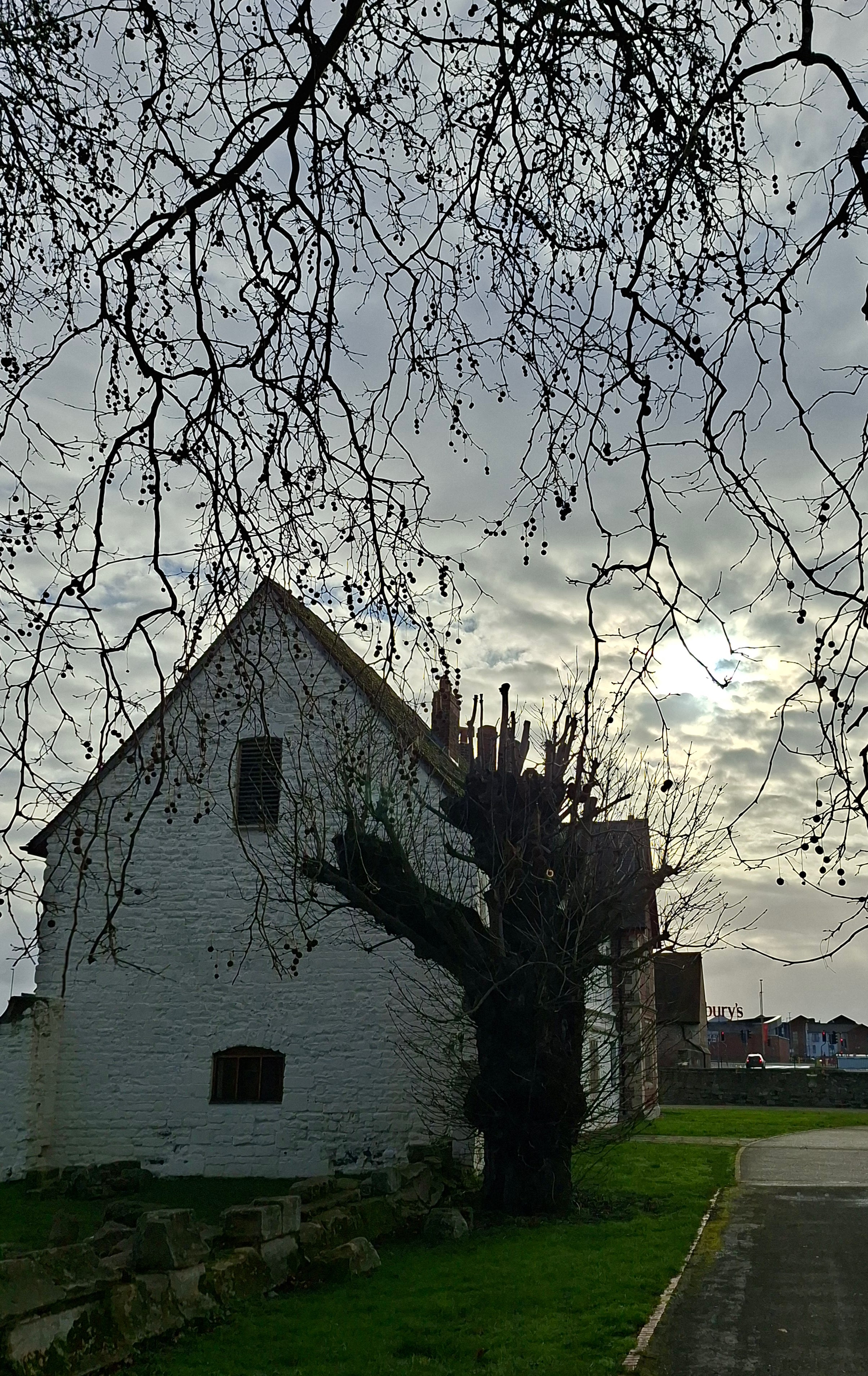
old wall, old tree – both in shade
clouds constrain the sun
and there’s stillness in the land

cold and bright an azure sky
frames the slender masts
affirming light in winter.

these dark mobile clouds
racing through the autumn sky
as the soft light fades
Picture taken, 6.55 pm, 27 September, sunset in Gloucester, England.
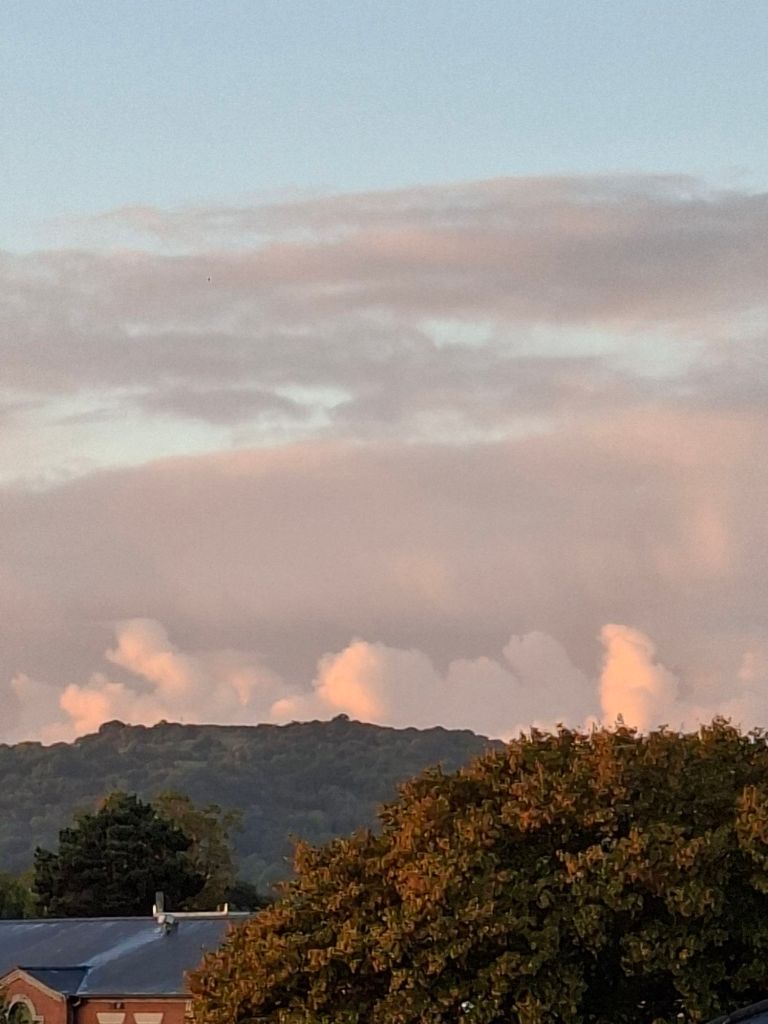
the pink clouds of this dawn
illuminate a waiting day:
welcome rain may fall.
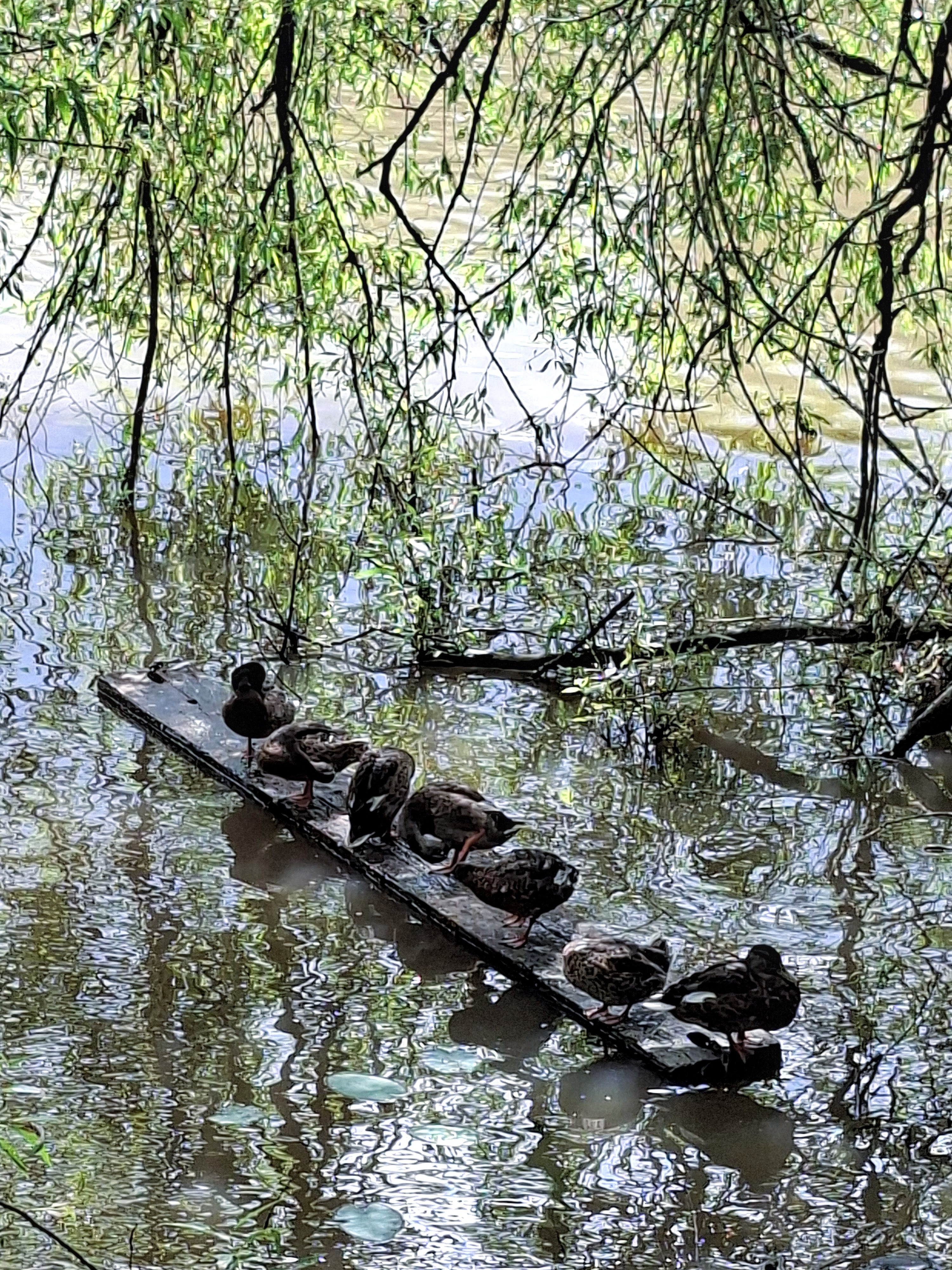
Birds together on a board
Sitting as silent companions
On their water margin retreat.

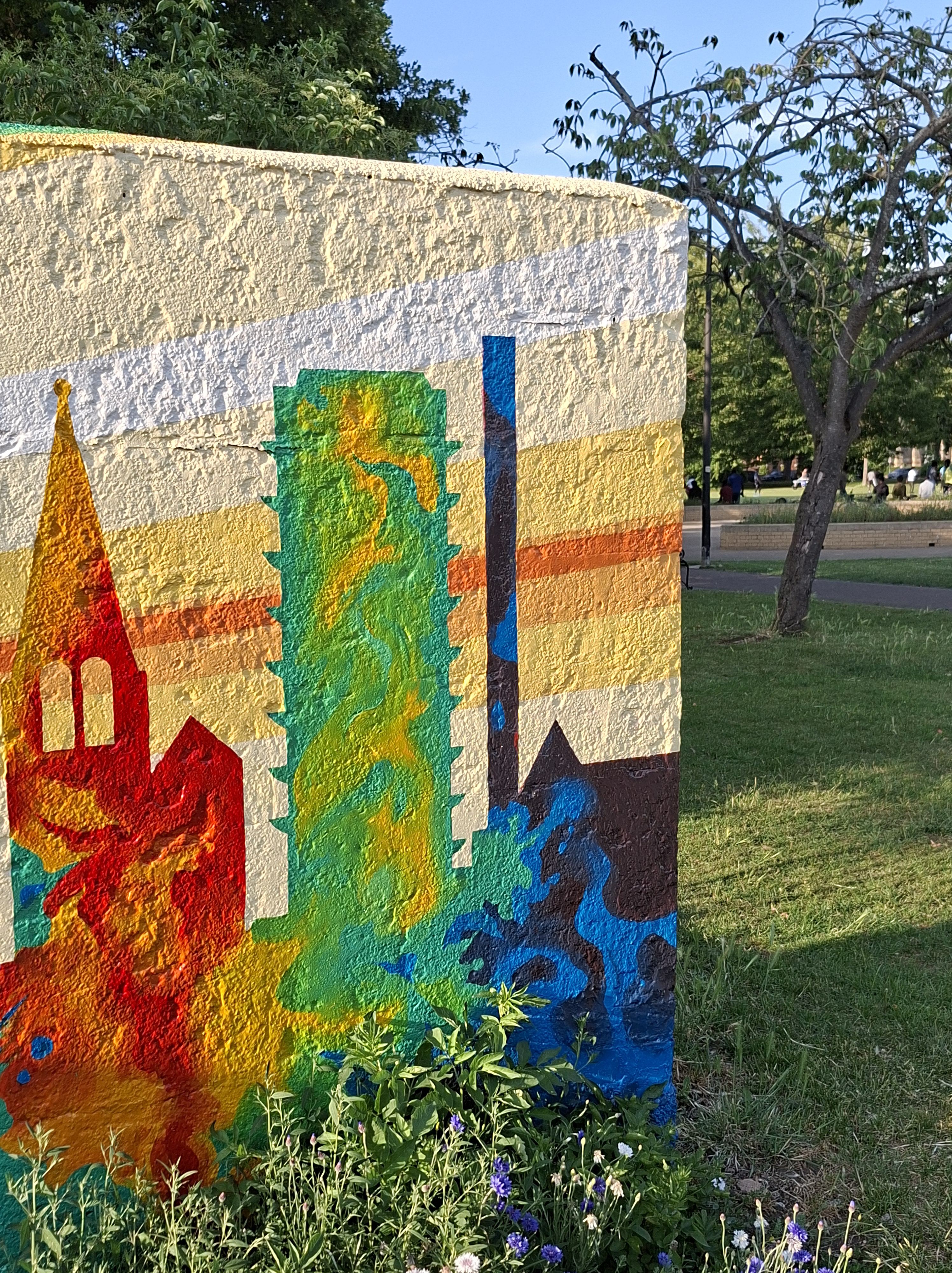
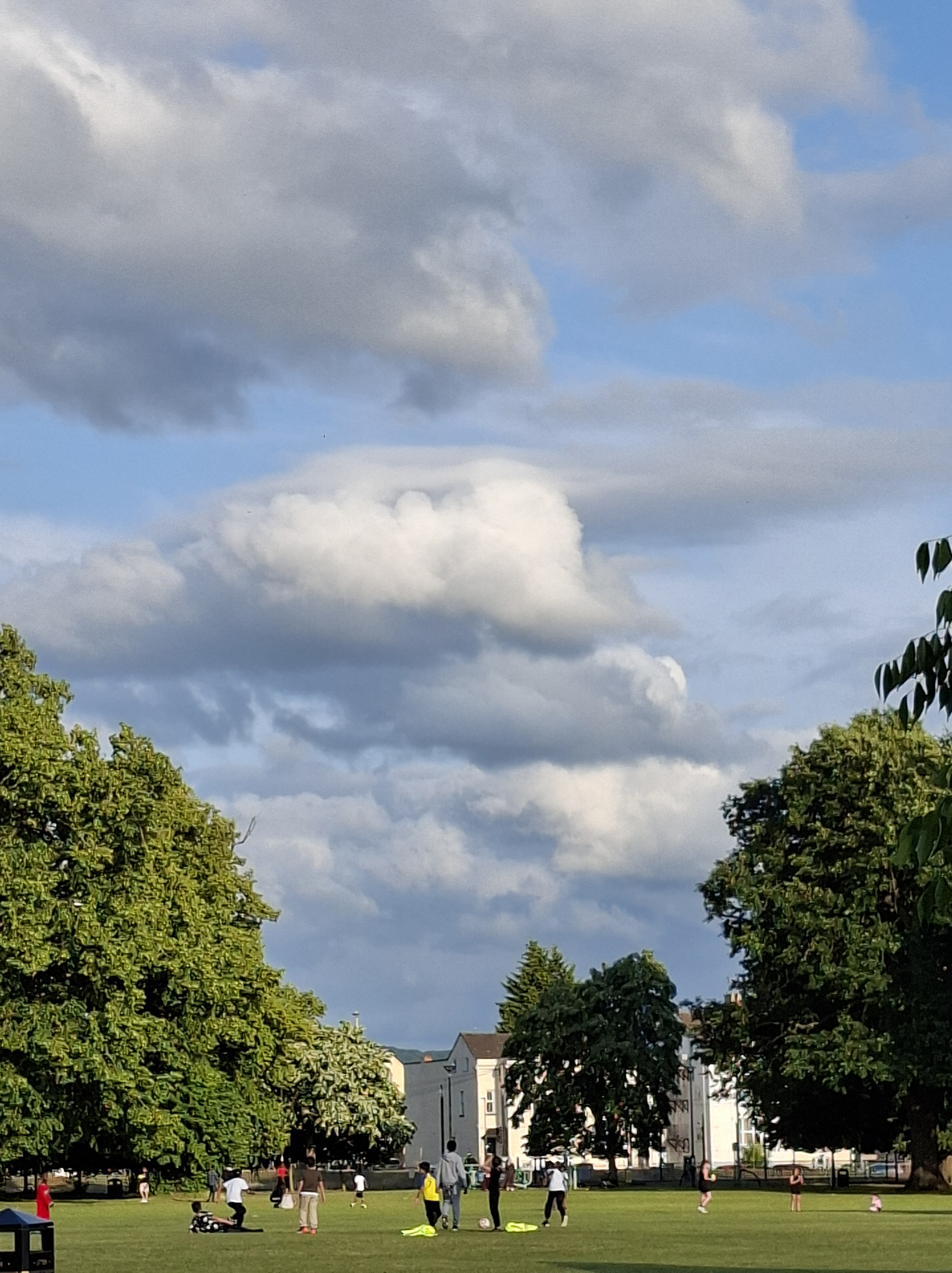
Flowers and a painted wall
Direct us to the park:
People, space, and clouds.
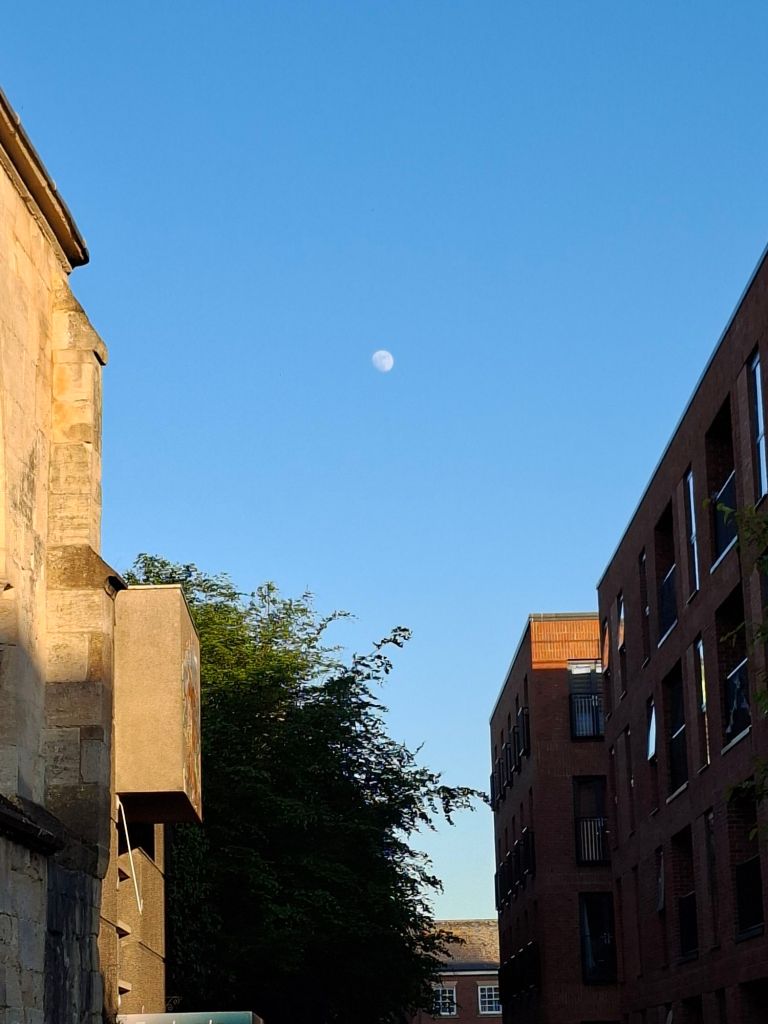
beyond the May blue sky,
a waxing gibbous moon:
below, evening shadows spread.

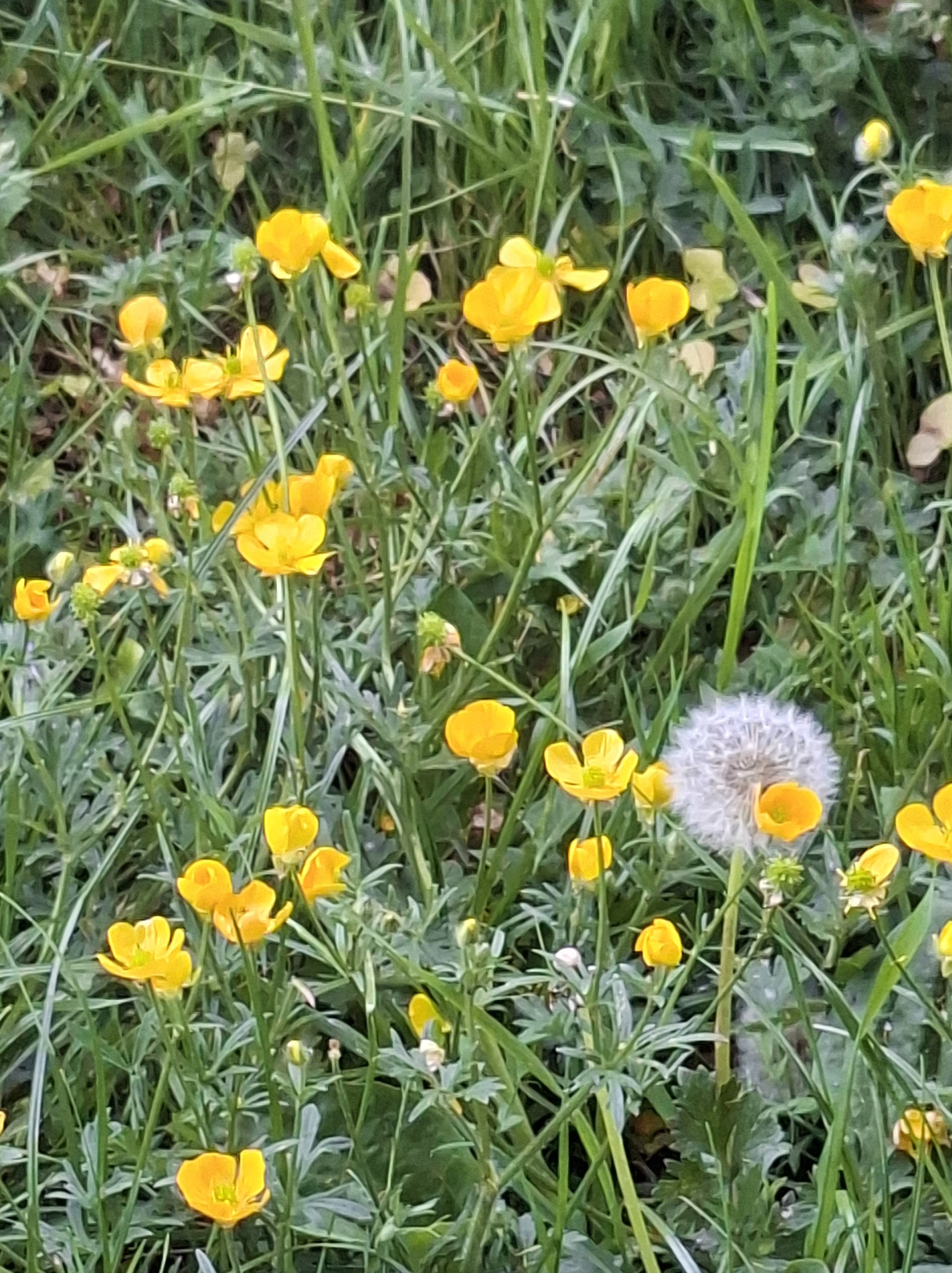
Such casual abundance
In each passing moment:
A May’s Eve gift.
music that celebrates Earth and speaks to the heart
Follow the Moon's Cycle
Meeting nature on nature's terms
A little bit of Mark Rosher in South Gloucestershire, England
A monastic polytheist's and animist’s journal
Selkie Writing…
Images and words set against a backdrop of outsider art.
living purposefully during metacrisis and collapse
The pagan path. The Old Ways In New Times
Spiritual journeys in tending the living earth, permaculture, and nature-inspired arts
a magickal dialogue between nature and culture
The gentle art of living with less
Thoughts about living, loving and worshiping as an autistic Hearth Druid and Heathen. One woman's journey.
An place to read and share stories about the celtic seasonal festivals
Just another WordPress.com site
Exploring our connection to the wider world
Become more grounded and spacious with yourself and others, through your own body’s wisdom
Good lives on our one planet
News for the residents of Hopeless, Maine

