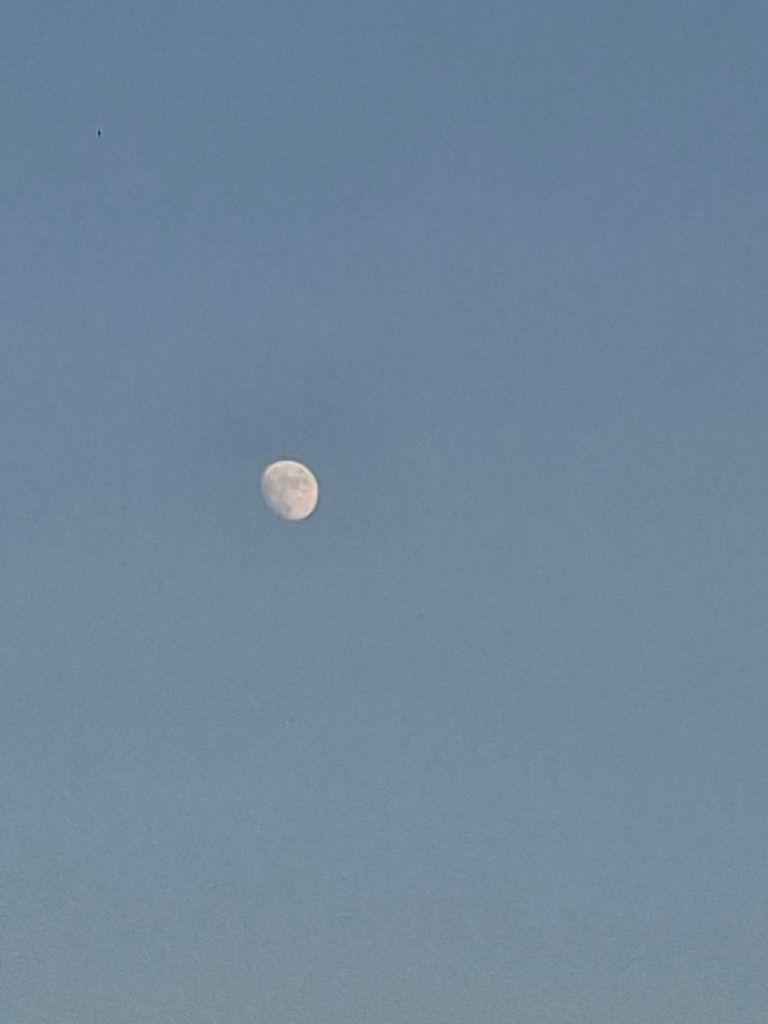
In the dance of waxing and waning, I am enjoying this waxing moment in the wheel of the year. The moon, a blue May moon, has been moving towards full – reaching it today. We are within three weeks of the summer solstice.
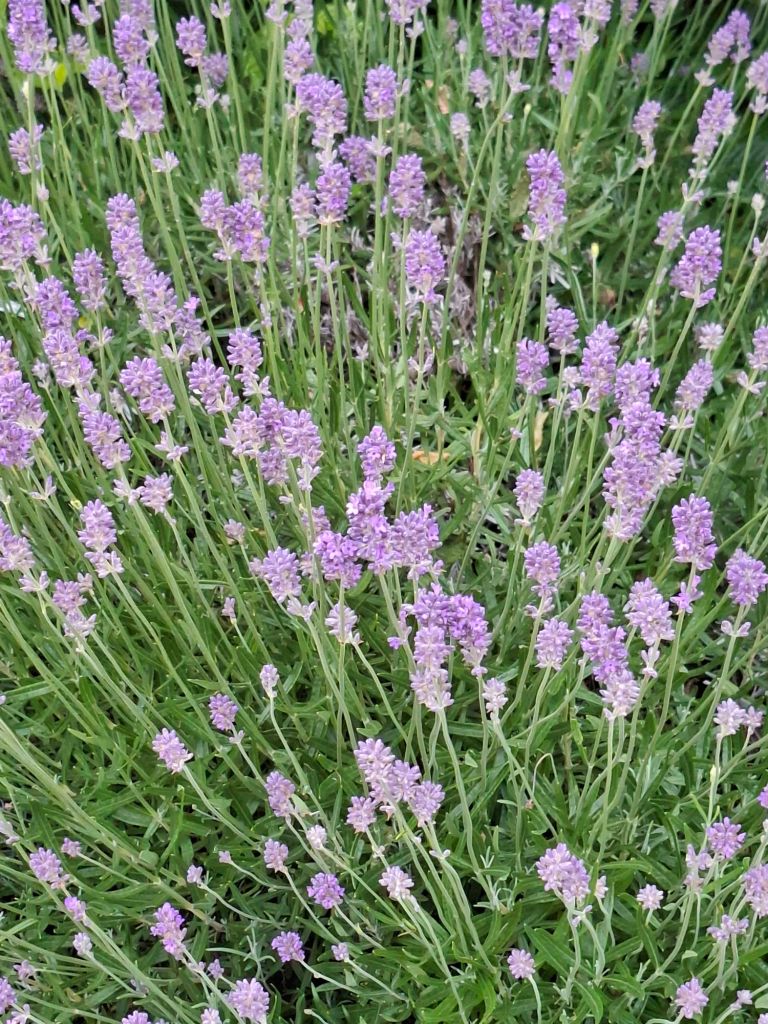
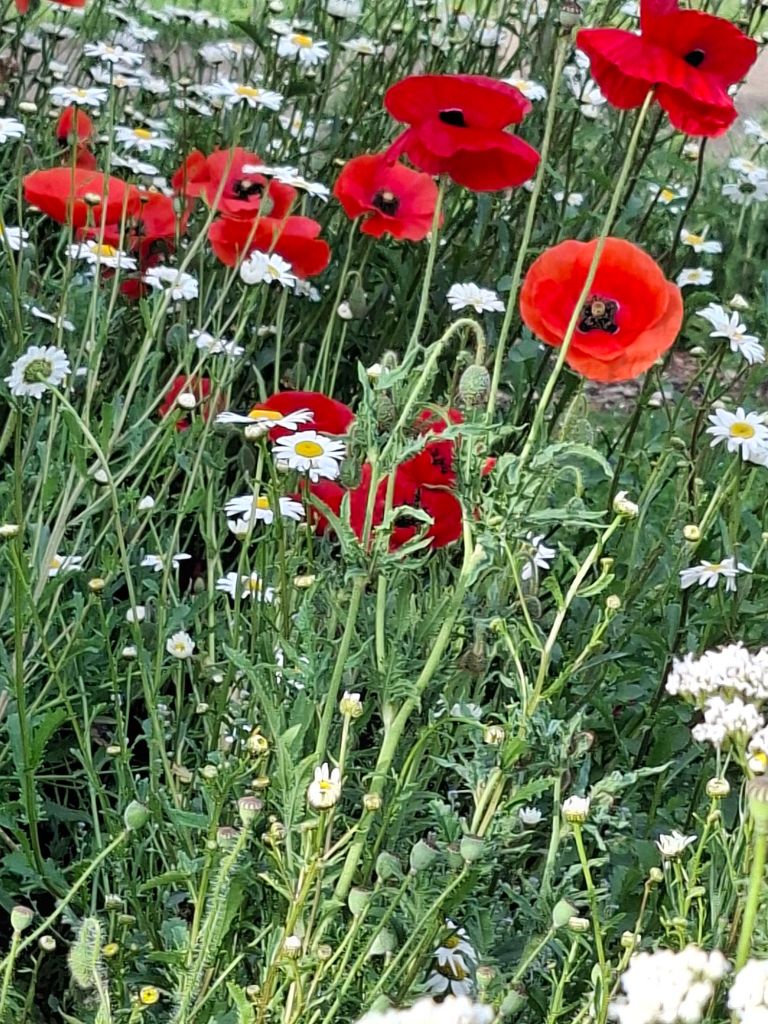
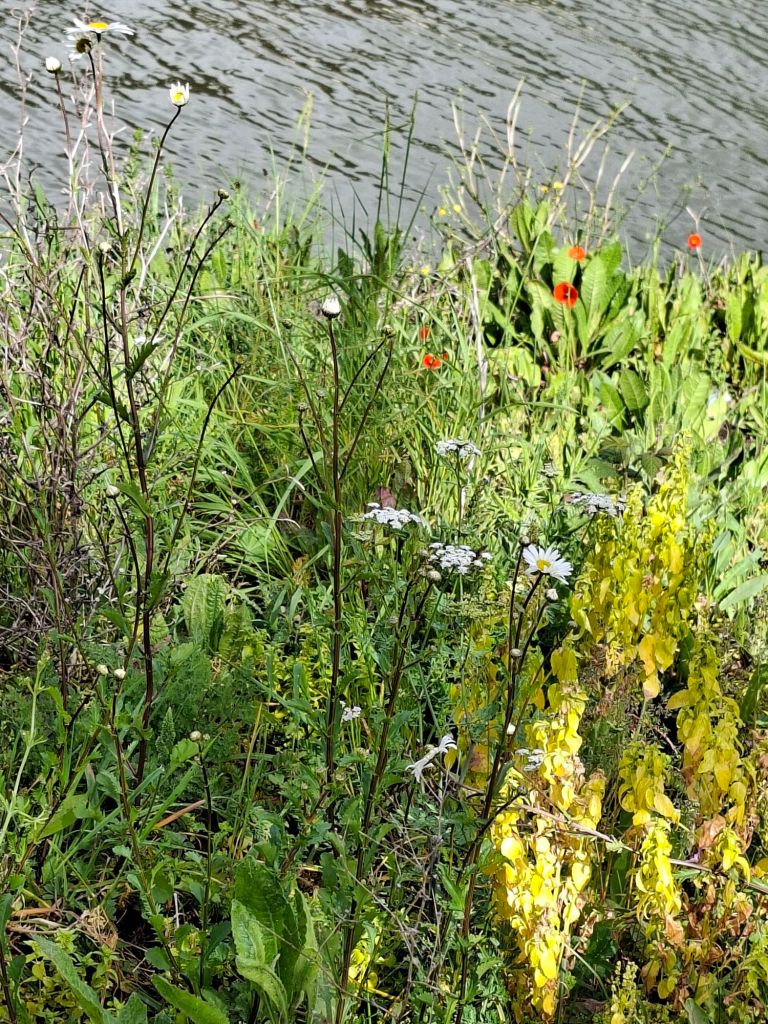
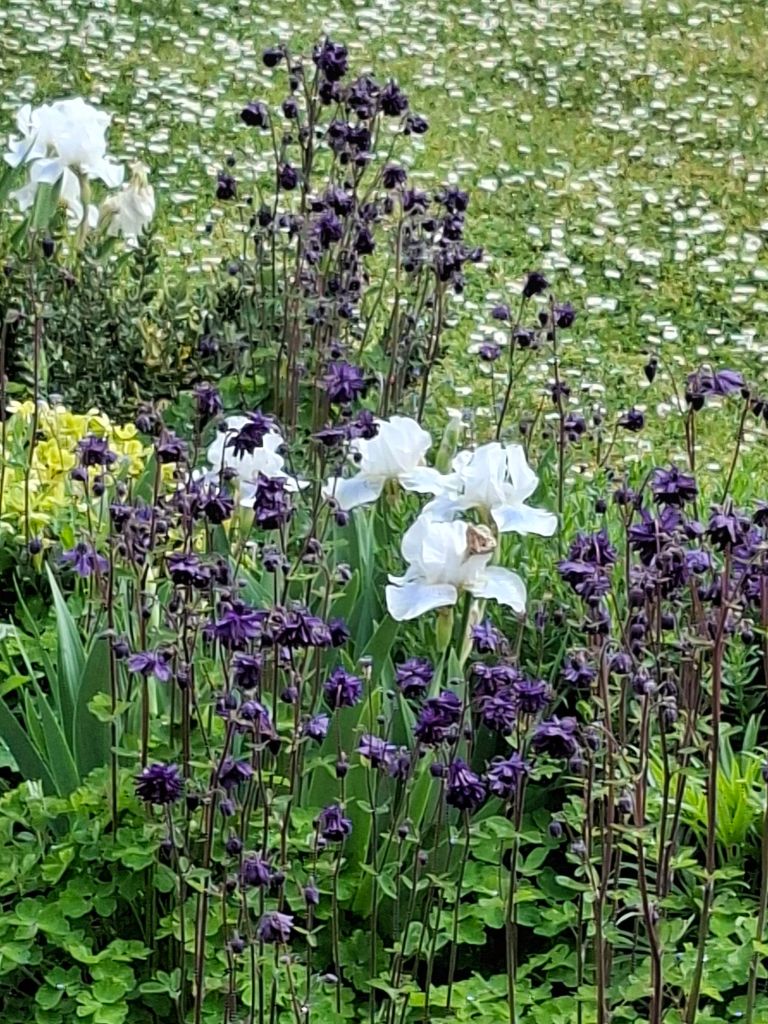
For me the energy has been palpable, even on the days when I was personally fatigued by high temperatures. Plants offered images of this energy, by bursting into full colour – lavender above, poppies and daisies below: power along with beauty.
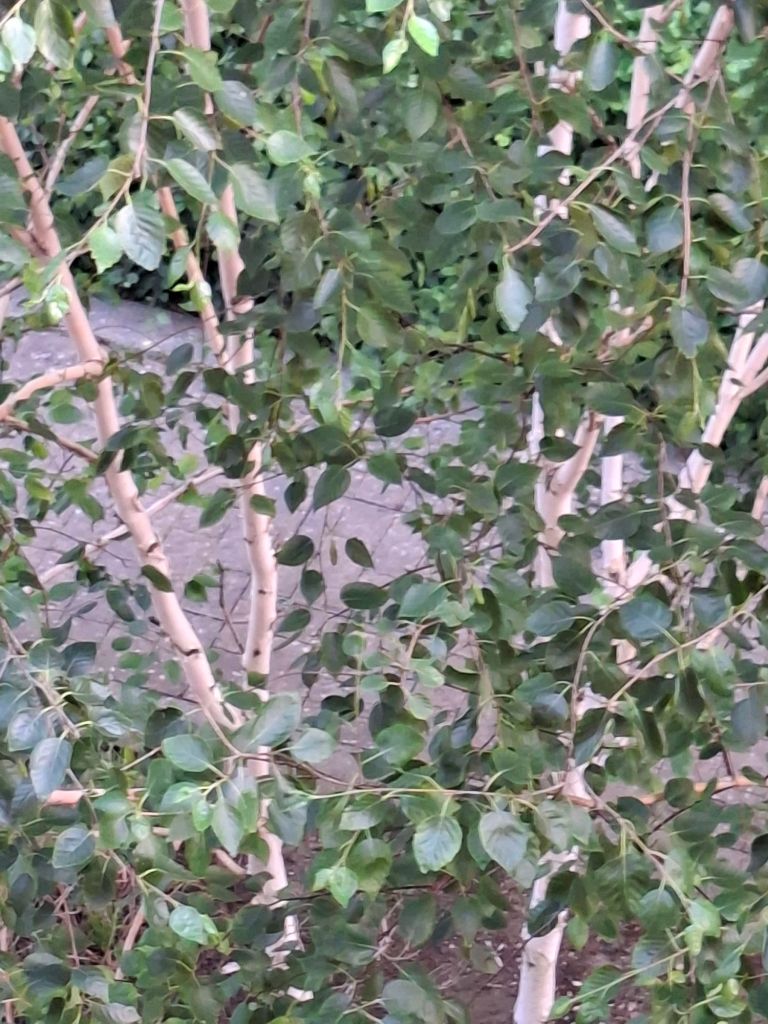
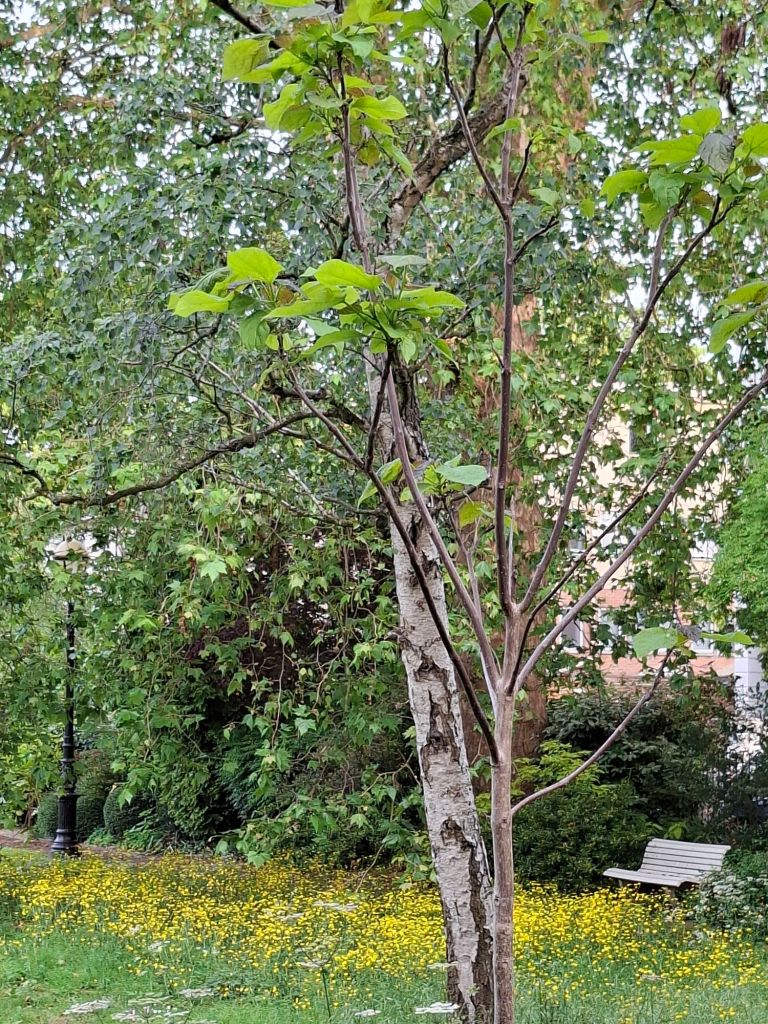
On one of the long hot evenings, I took a picture some of the birches planted outside our building. They are getting stronger and, in this season more verdant. Five together are beginning to feel like a miniature grove. Features like these help to make urban Druidry easier. On the same evening I also photographed the waxing gibbous moon. It seemed apt, and resonant with the energy I was experiencing from the sun and on the earth around me.
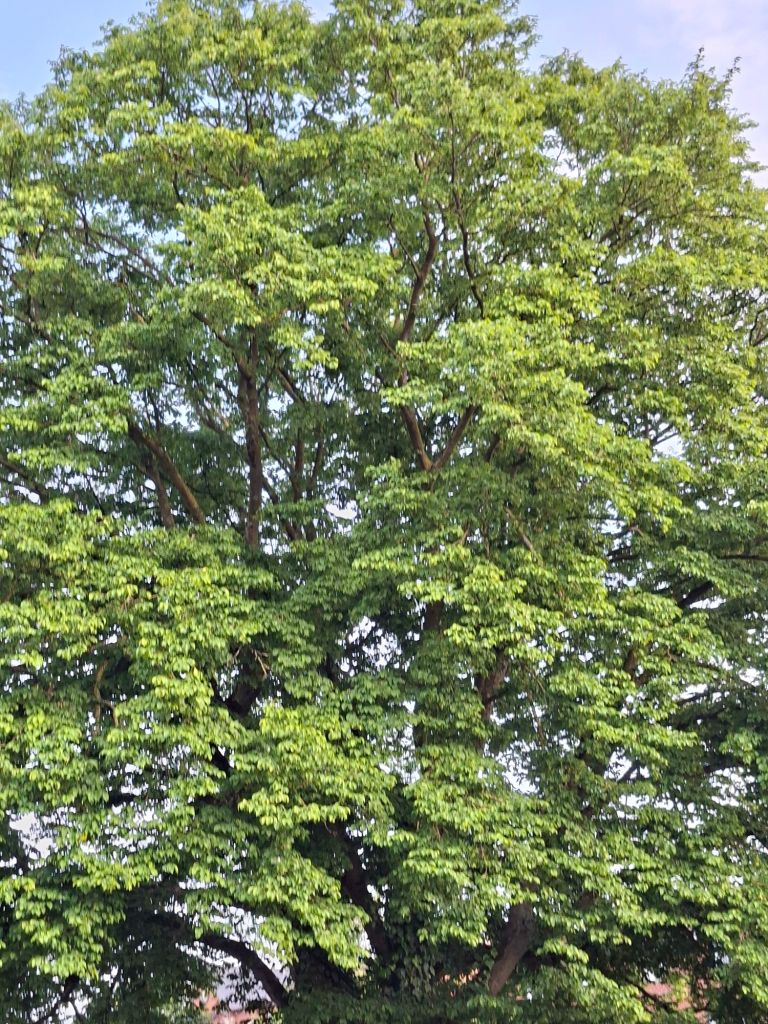
Yesterday, 22 May, I welcomed summer. It was a hot day by local standards (28C/82.4F at its peak), followed by a slightly cooler evening. As I walked out to embrace the evening and the season, I noticed the hornbeam opposite our building in its full strength and magnificence. It matched the moment perfectly.
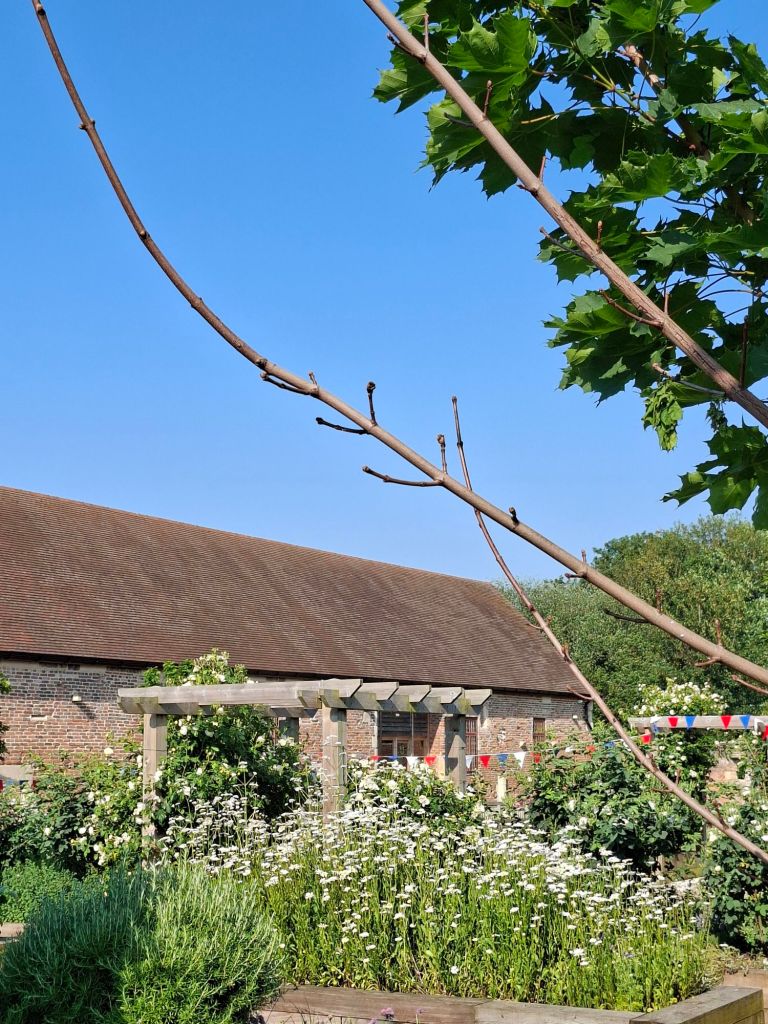
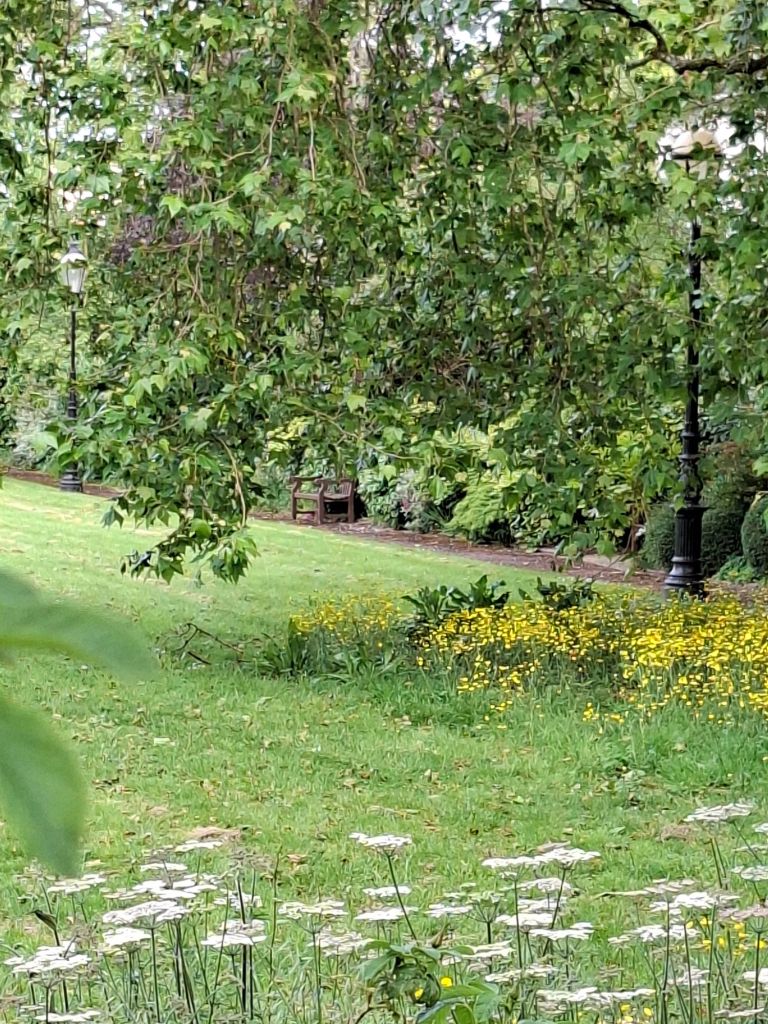
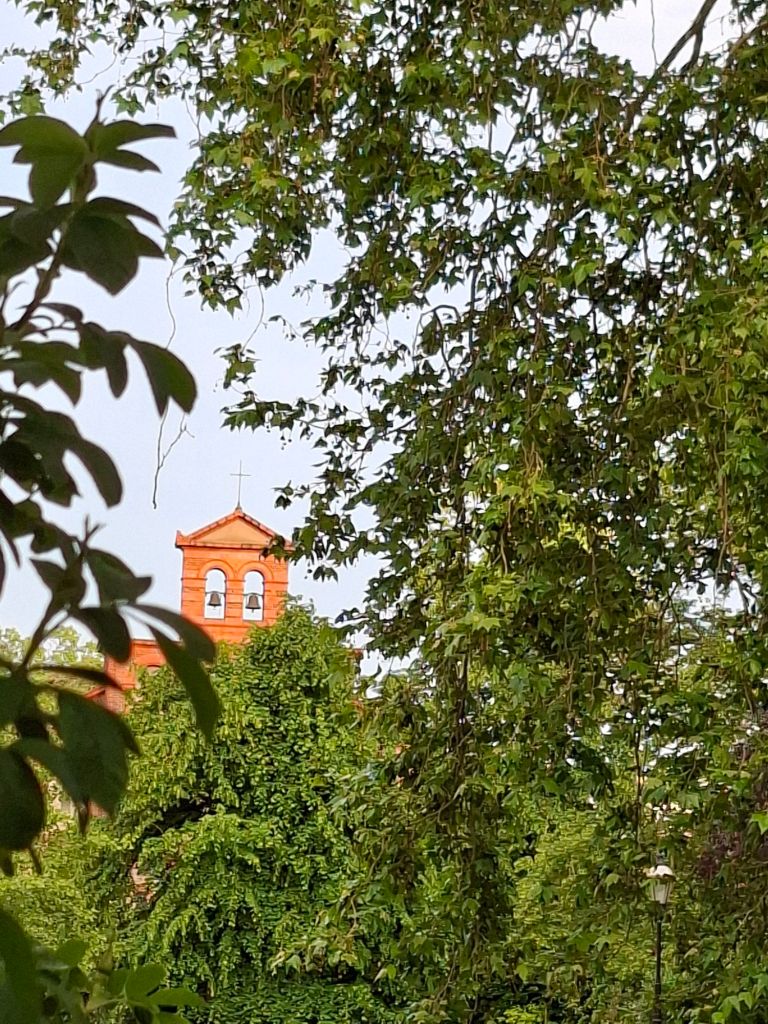
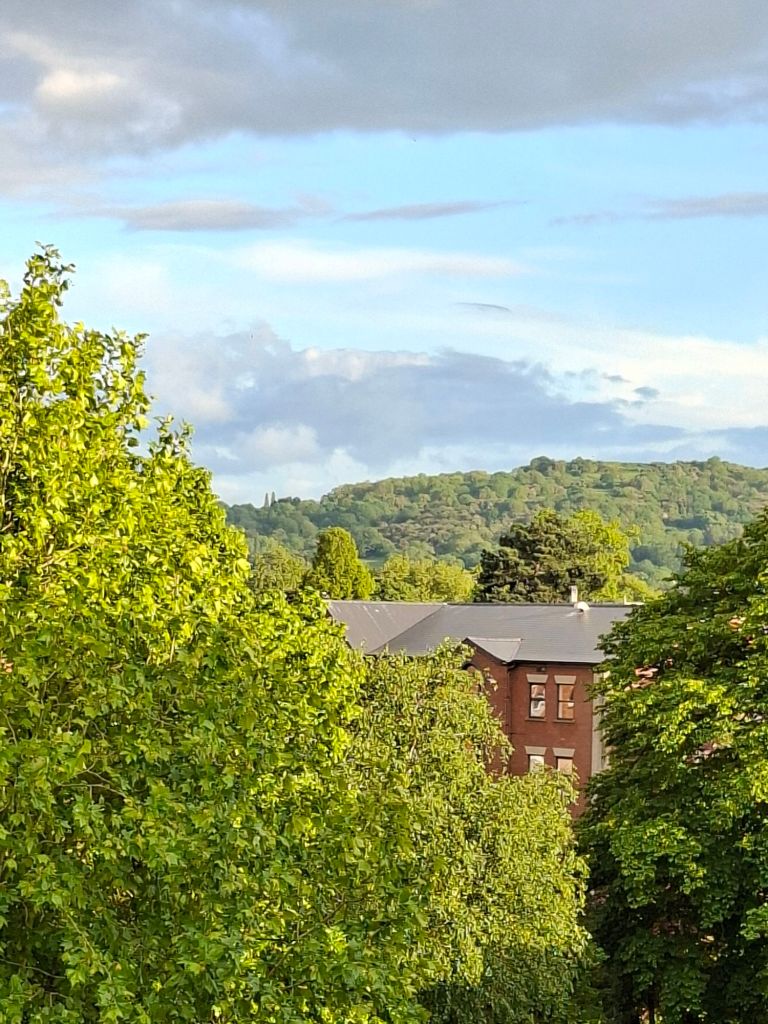
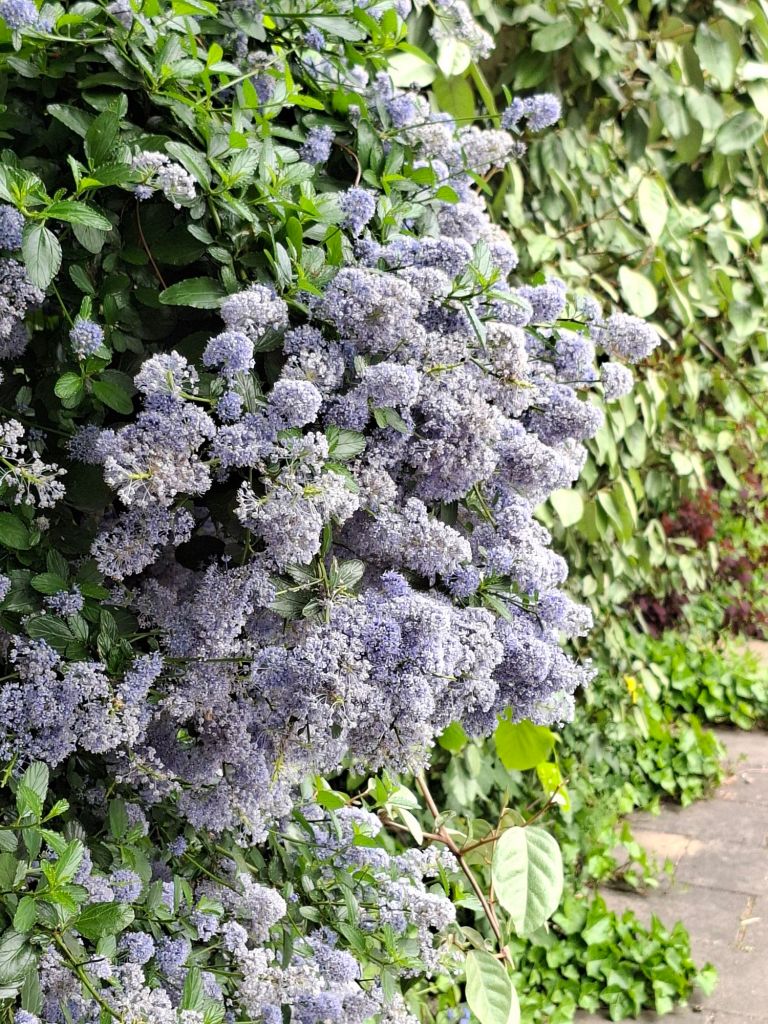
The two pictures immediately below show a garden in the middle of an urban square, where the flora also seemed to be welcoming the season. In the third picture, looking beyond the square to the east, the sky was clear, at 7.45 pm on this early summer evening.
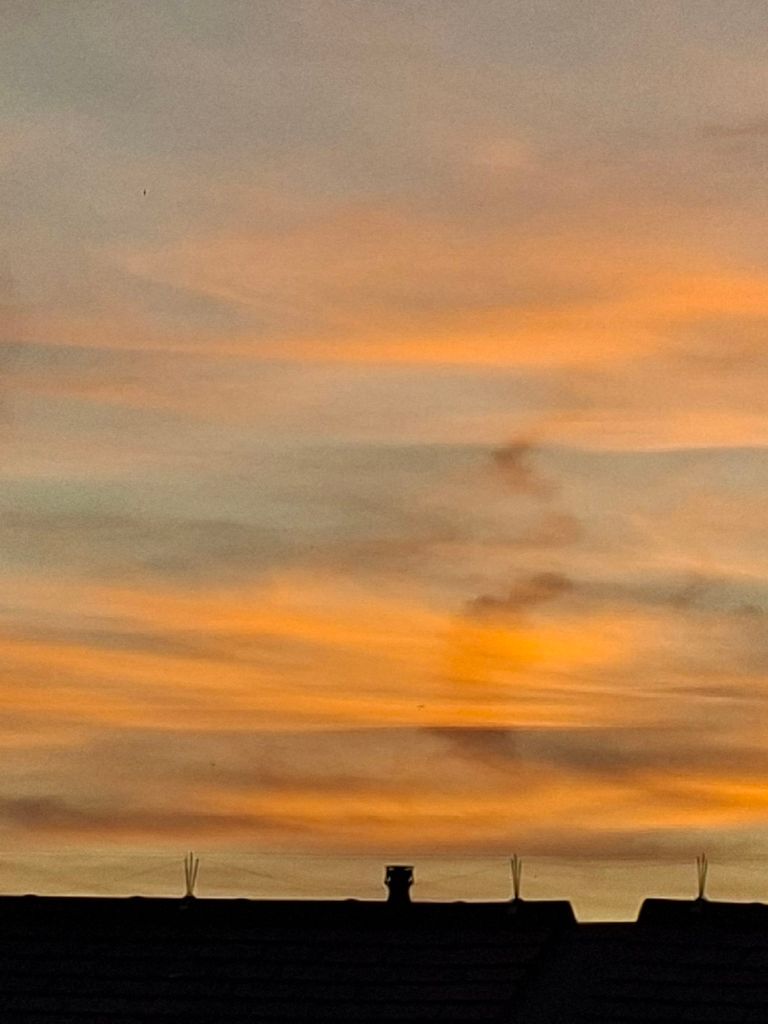
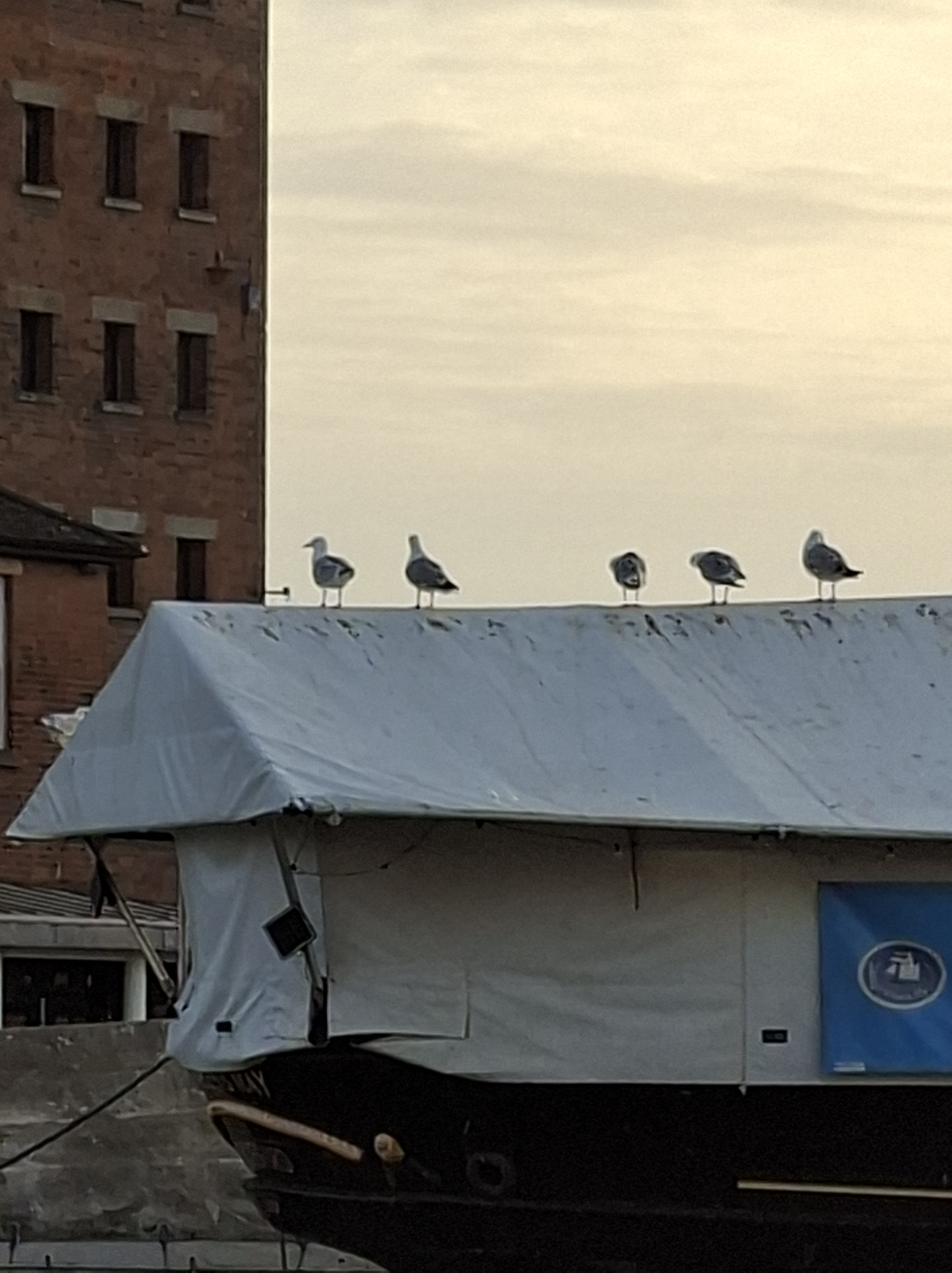
Half an hour later, looking west from the Gloucester docks, I noticed the colour of the sky. Sunset would not be until 9pm, nearly an hour later. The power of the waning sun was showing through the clouds.
In my last post (1) I wrote about the experience of late spring. This was less than a week ago, so the differences are subtle. Yet I am clear that a change I was anticipating has now occurred.
Giving names and dates to seasons is a somewhat arbitrary human practice. But it’s also an important one, even in a tec obssessed urban culture. It’s a recognition of nature and its primal power.
Standing on my balcony I contemplate the last days of spring. I love the abundance of trees now in full leaf. We are in a cool and at times rainy period, good for growth. My local world feels fresh and alive, in a still spring-like way. I had the same feeling when noticing wild flowers beside the canalside a day or two ago. A kind of lush newness and vitality that I associate with the final stages of spring.
This is expected to change soon into a hotter, drier period. For me, this will mark my transition into the summer of 2026.
As I move through the wheel of the year, year after year, I recognise that my experience of the four seasons is local and subjective. Fixed bureaucratic and liturgical demarcations are collectively necessary. But they do not always align with either local conditions or my personal experience. Tuning in and identifying where I stand in the year is an important part of my practice.
Recently I was surprised to see a magpie sitting on a nearby lamppost. There is a hierarchy in the neighbourhood that awards this lamppost to seagulls. Clearly, the magpie did not know it’s place. Cheeky and cheerful, it dared defiantly to land and make itself at home. Bright eyed, it shamelessly enjoyed itself.
I turned my attention away and I do not know of any repercussions. The last line of the haiku references the a traditional rhyme about seeing magpies.
One for sorrow
Two for joy
Three for a girl
Four for a boy
Five for silver
Six for gold
Seven for a secret
never to be told.
Now, the magpie is long gone. As far as I can tell, we have both benefited from the pleasure of the encounter.
The Llanthony Secunda Priory’s physic garden in Gloucester feels like a healing space, though it lost that role in the sixteenth century. When it was in use, a great many health problems could not be fixed. But healers could still provide compassion and care. An after echo remains.
In the 1400’s and 1500’s overall life expectancy at birth in England was only 30-35, largely due to high levels of infant and childhood mortality. Added to this, maternal mortality has been estimated at 1-1.5% of all births, with a lifetime risk of 1 in 18 to 1 in 20. Because of these risks, a significant number of women died before the age of 45. Men over 21 could hope to live until 60 – aristocrats until 69. For them, ‘three score years and ten’ was not just an aspirational slogan. It was a real possibility though relatively few people made it.
If I map my own history onto the period, I could not have survived beyond my mid 50’s. The physicians of the day (and for a long time afterwards) did not have the knowledge and resources to fix my prostate cancer. In today’s world it has been banished for 20 precious years and has shown no sign of returning. I celebrate my 77th birthday in 18 days. I have survived into a time when I have been wonderfully fixed, for which I feel a deep gratitude. It has been a happy and fruitful period.
The health limitations I have now are not fixable in the same way. They go with the privilege of longevity. They are currently well-contained but they will not go away in my lifetime. So I look at well-being in other ways. Here is somebody else’s list of the ‘real luxuries of life’ (1):
Slow mornings
Freedom to choose
A good night’s sleep
Peace of mind
Calm and boring days
Being present
People you love
People who love you
These are all present for me, and they do alot to support my wellbeing. Sadly, I realise that in the world we now live in, they count as a form of privilege. Taken together, they are easier to experience when time rich with some material security. Being a retiree is the most common way of achieving this and I really like it. But I wonder if our successors will get the same opportunities.
I have experienced the economic justice aspects of social progress going backwards for much of my adult life. Now all aspects seem to be threatened. Life expectancy is beginning to slip, with growing inequalities.
We also know, if we take evidence seriously, that the continuity of human life on earth is at risk. The largely unchecked climate crisis is the main threat, but nuclear war and an unstoppable lethal pandemic are also serious possibilities. Yet mechanisms to prevent them are being ignored by many people and actively undermined by some.
When I think of these things I feel a range of emotions: anger, fear and especially grief. I experience a sense of limited agency. I am also, to say the least, concerned about the capacity and good faith of major decision makers domestically and around the world. I worry about a future that I won’t be part of. Any sense of legacy or contribution to pass on is deeply compromised.
I am glad that I can manage my feelings and put space around them. I can switch my attention and go somewhere else – to prevent myself becoming blinkered and obsessive. But my distress needs to be there, included in my psychic ecology, as a valid reponse to bad collective circumstances that will be very hard to change. It’s part of being human. In such times, mature wellbeing can be a complex business.
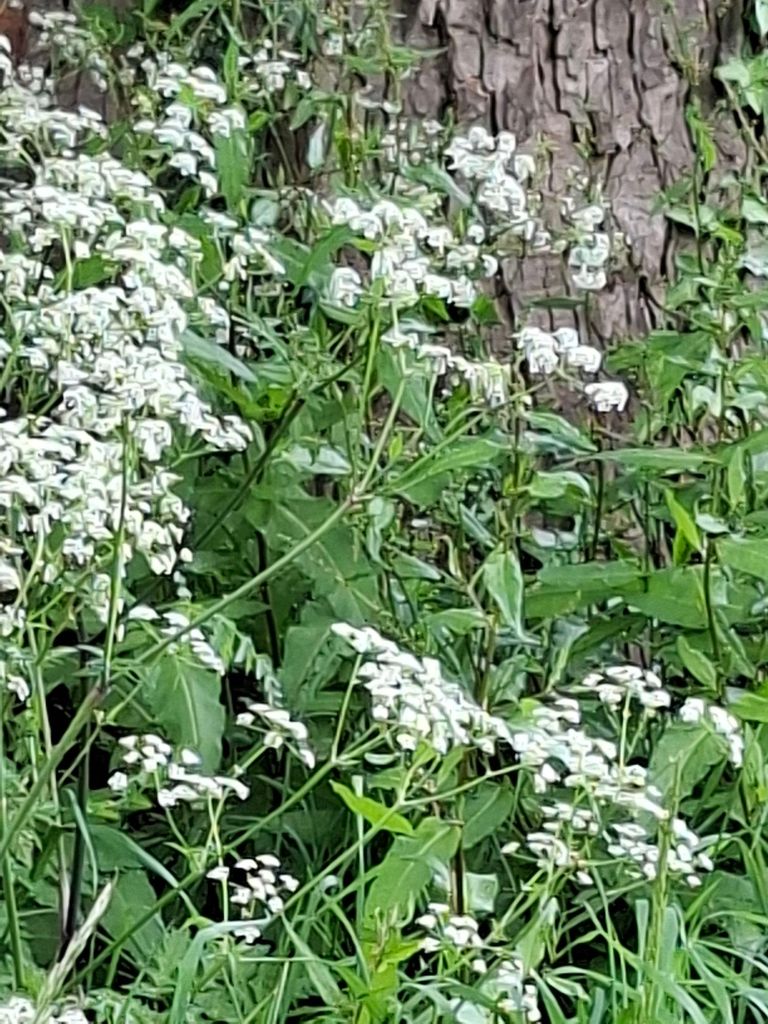
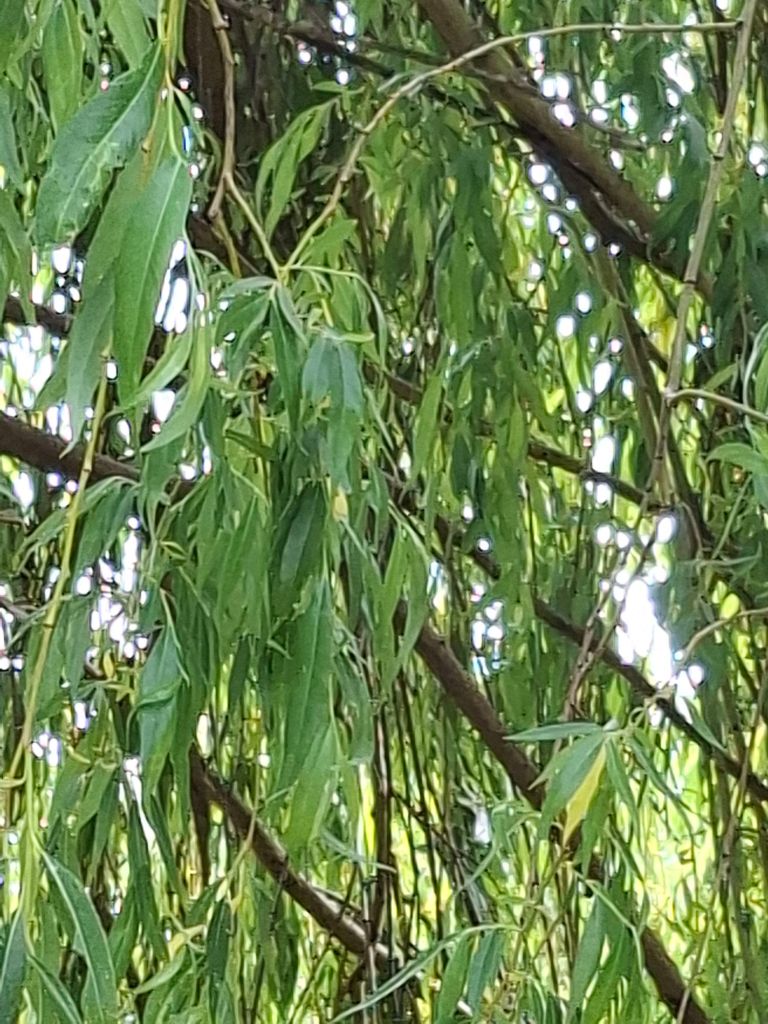
Recollecting a lush 1st May as it was in the late morning. Green and white abundance crowding a knotty tree trunk. Exuberance and fecundity close to the earth. The energy of willow reaching down.
Throughout the day I was reminded that this day was also a full moon – a flower moon. Hoping to take a picture in the evening, I was frustrated by cloud. Yet the power of the unseen moon felt present, all the same.