Contemplative Inquiry

This blog is about contemplative inquiry

Tag: Contemplative Druidry

PROSE POETRY 2026

I have recently been investigating and tuning into prose poetry,  getting to know the genre. Now I’m thinking about my own work.

As a start, I have reworked a poem I published in September 2024 (https://contemplativeinquiry.blog/2024/09/17/). I have found that the text asked for substantial alteration. It wasn’t just a matter of changing the arrangement of space.  Despite the cousinship between the two, this is a different piece, written in a different way, at a different time.

“Looking out from limitation, I see a wide world, expectant.

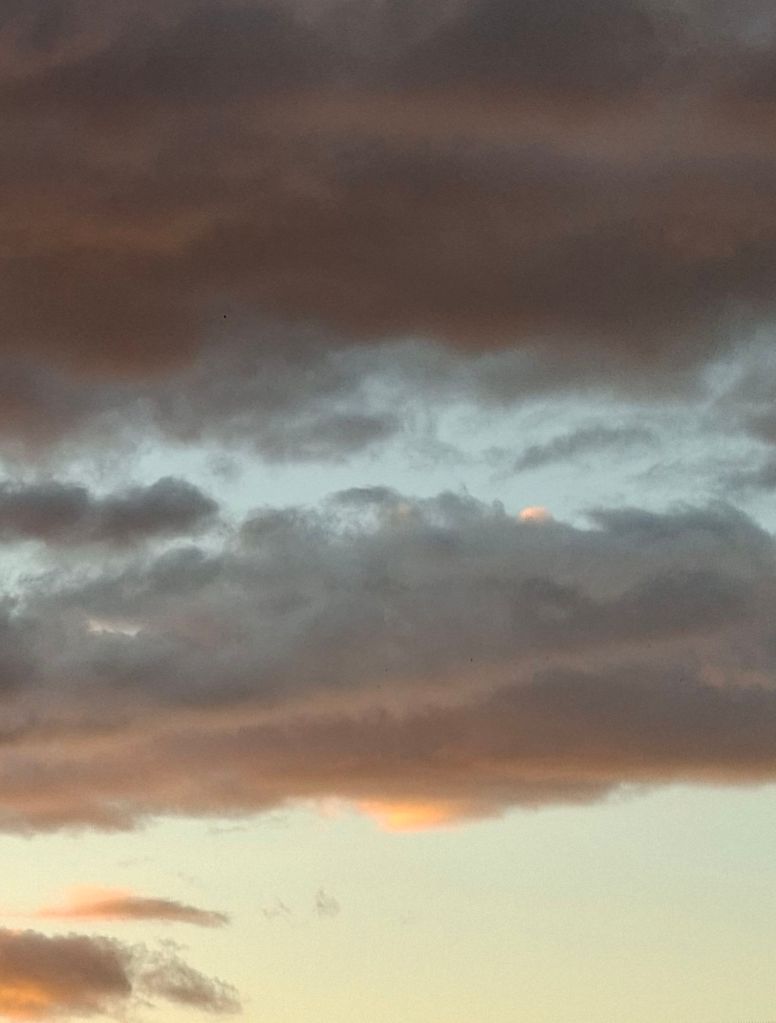
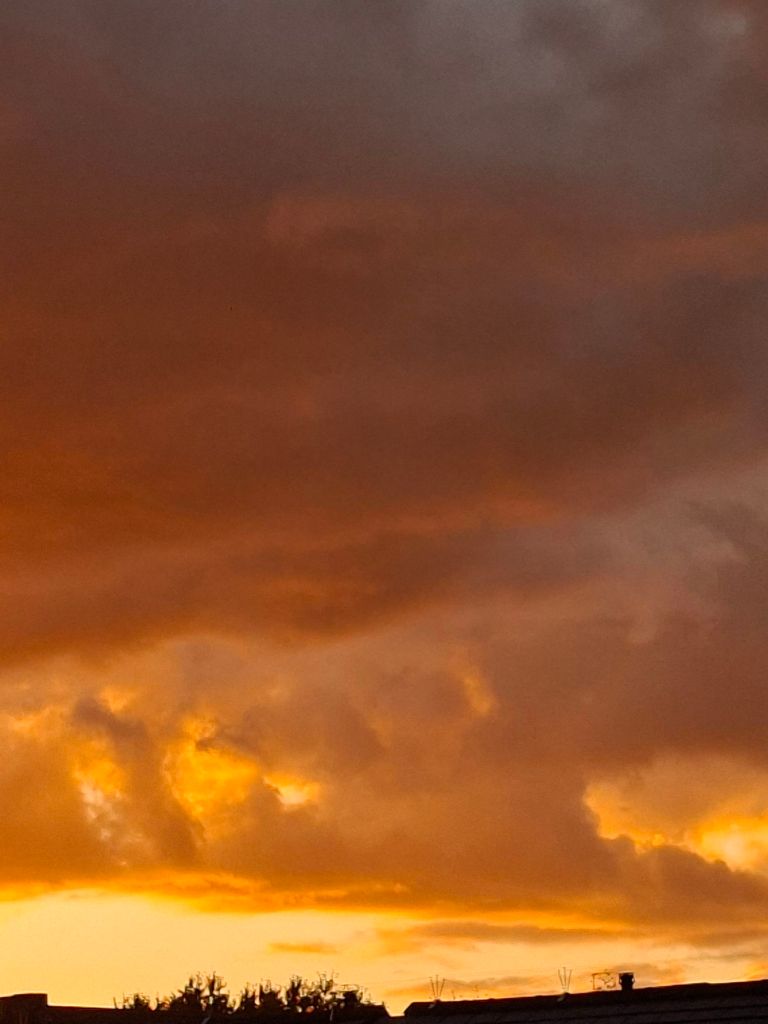
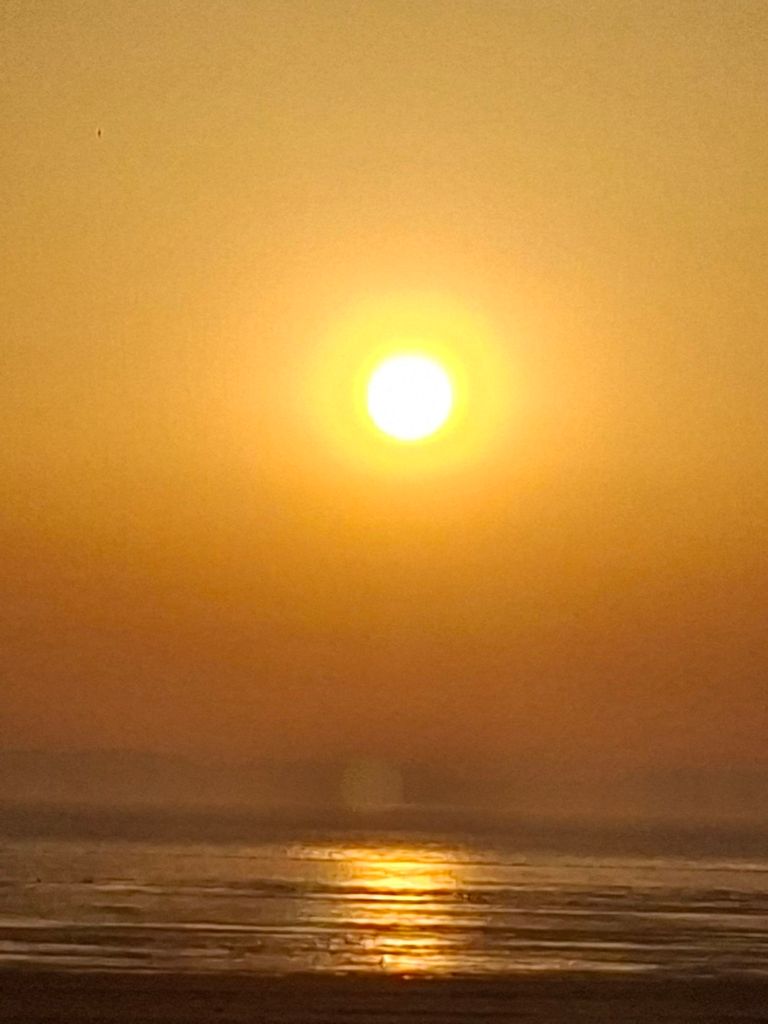
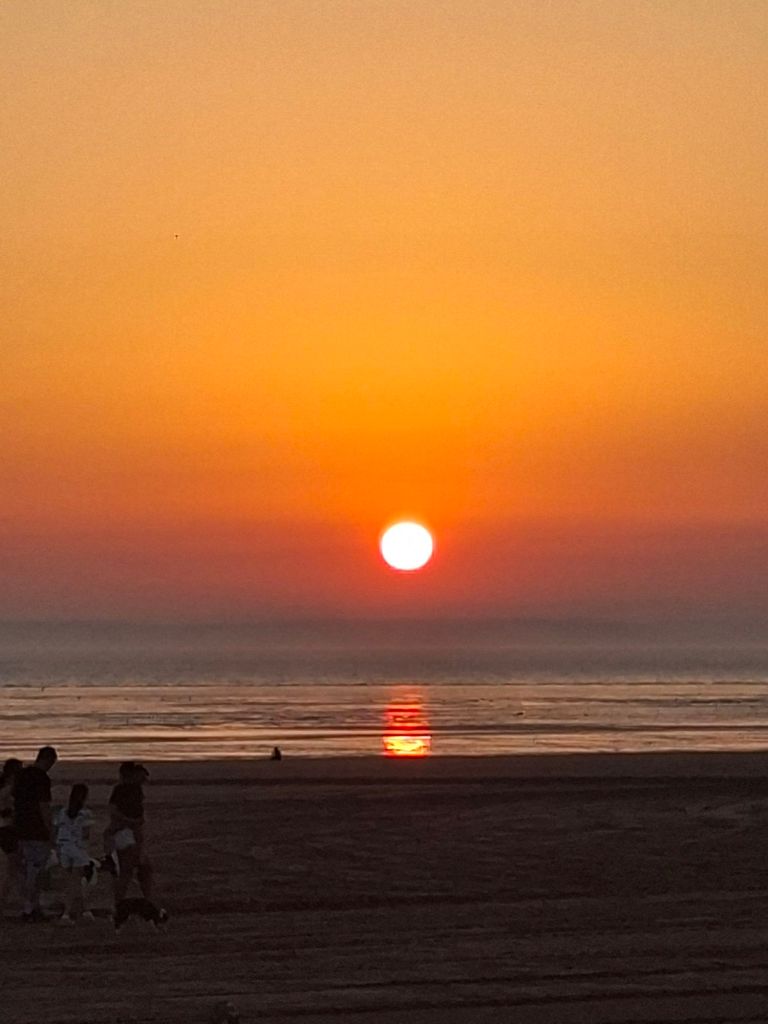
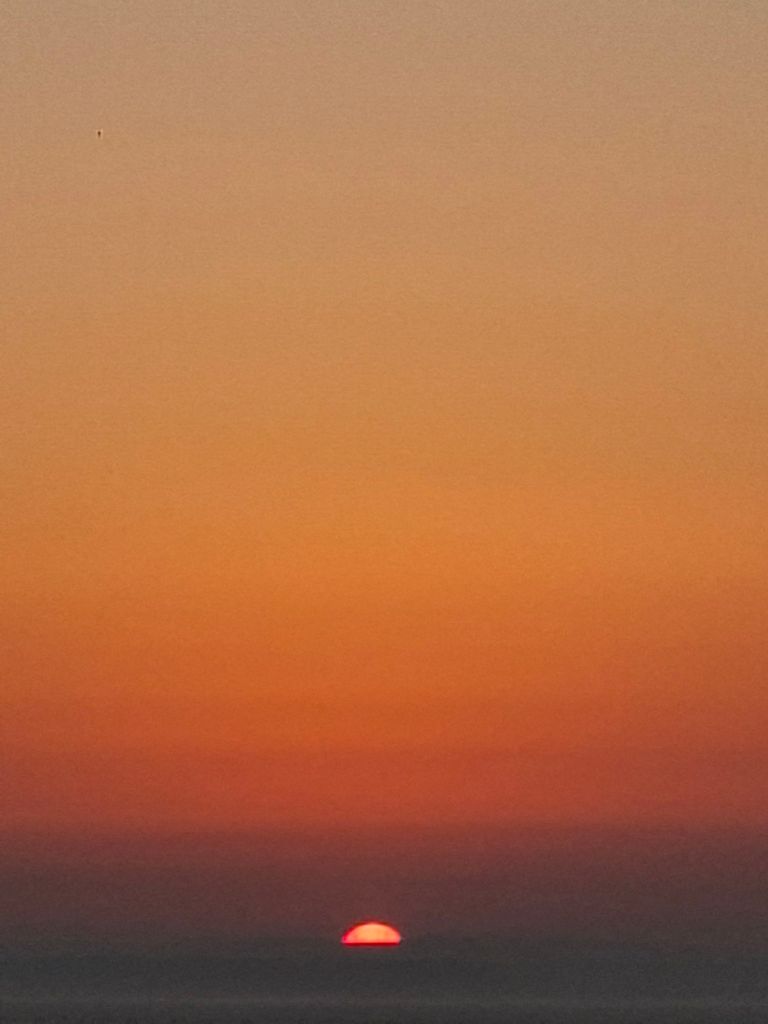
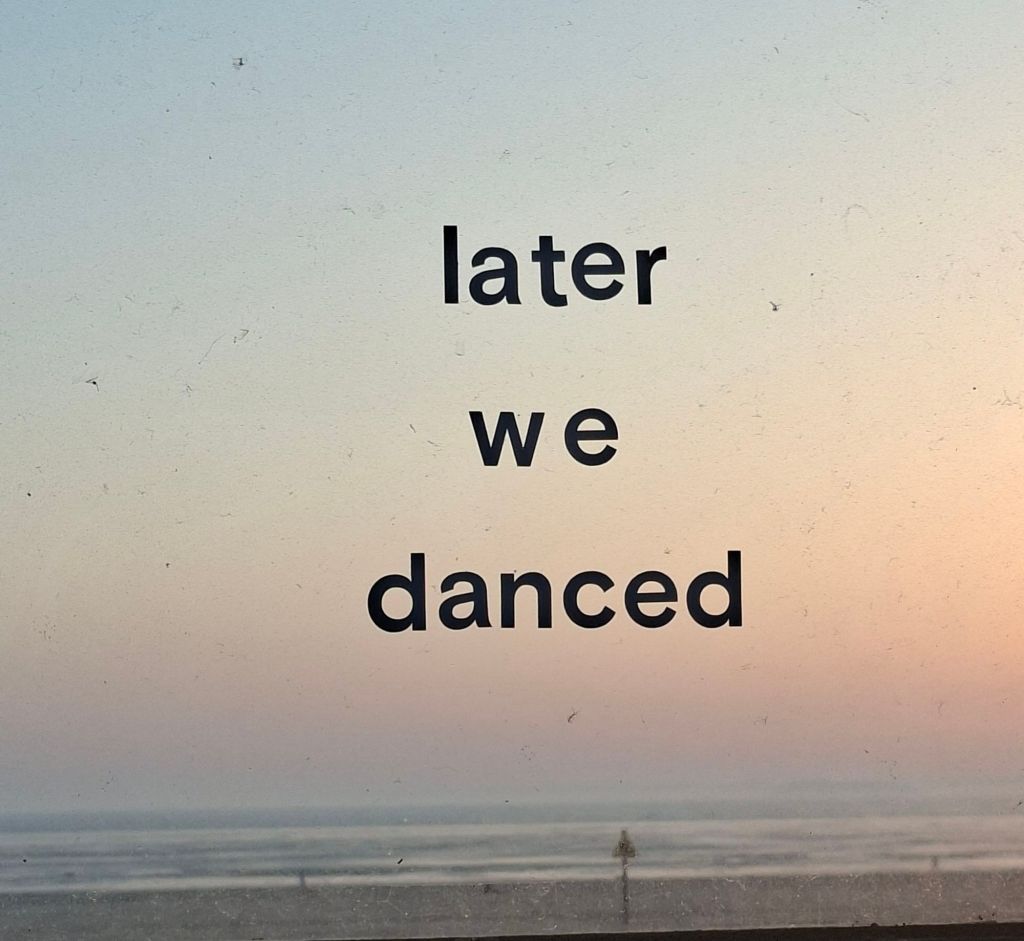
“The beginning of sunset, a liminal moment in the wheel of the day. Facing east, I feel the sun behind me, still warm though on the brink of descent. Facing east, I see pale blue sky, pink clouds, wooded hills, and a residue of sunlight on the majestic hornbeam whose leaves have begun to turn.

“Early evening, early autumn: a whole world in only seeming suspension between one state and another. The wheel continues to turn. Yet to hold a moment, in the moment, with clear awareness and softened heart makes that moment eternal.

“Looking out from limitation, I see a wide world, expectant.”

NAVIGATING ANOTHER HEAT WAVE

I walked today in my local park between 6 and 7am. These early morning walks have become my new normal this summer. After a 5am rise, the sun was climbing ever higher in the sky. I found my world delightfully sunny and cool, moving from 17C/62.6F to 18C/64.4F over the course of an hour. Now, at 11.23 am, it is 29C/84.2F. It will soon be 30C/86F and we will spend 9 hours at this temperature or above. The peak is expected to be 34C/93.2F, at 3pm.

Where I live, in Gloucester, England, the heatwave threshold is 27C/80.6F on three consecutive days. We are now in our third since the last week of May. This is traditionally abnormal in our historically cool temperate zone, with most of July and the whole of August still to come. Yet people continue to deny that a human made climate crisis is responsible. The fossil fuel lobby is still influential, it’s denial and misdirection still amplified in powerful media and political circles.

I am personally able to adapt to this level of change quite easily. Early rising, early walks, jobs in the morning, afternoon napping, a return to activity in the evening, careful management of a non air-conditioned flat. Being old is a risk factor but freedom to manage my time is a resiliency factor. What worries me is the continuing (perhaps acceleration) of this process. 40.3C/104.54F was recorded on a day in 2022 in a somewhat warmer part of the country. Where is this going?

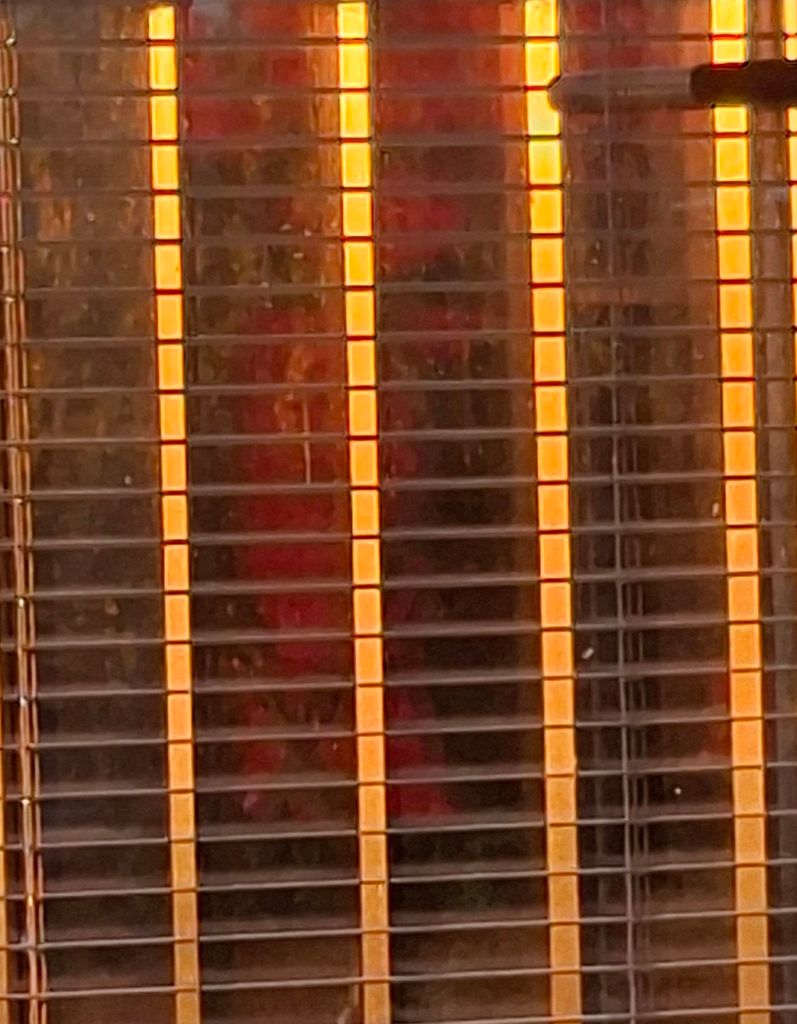
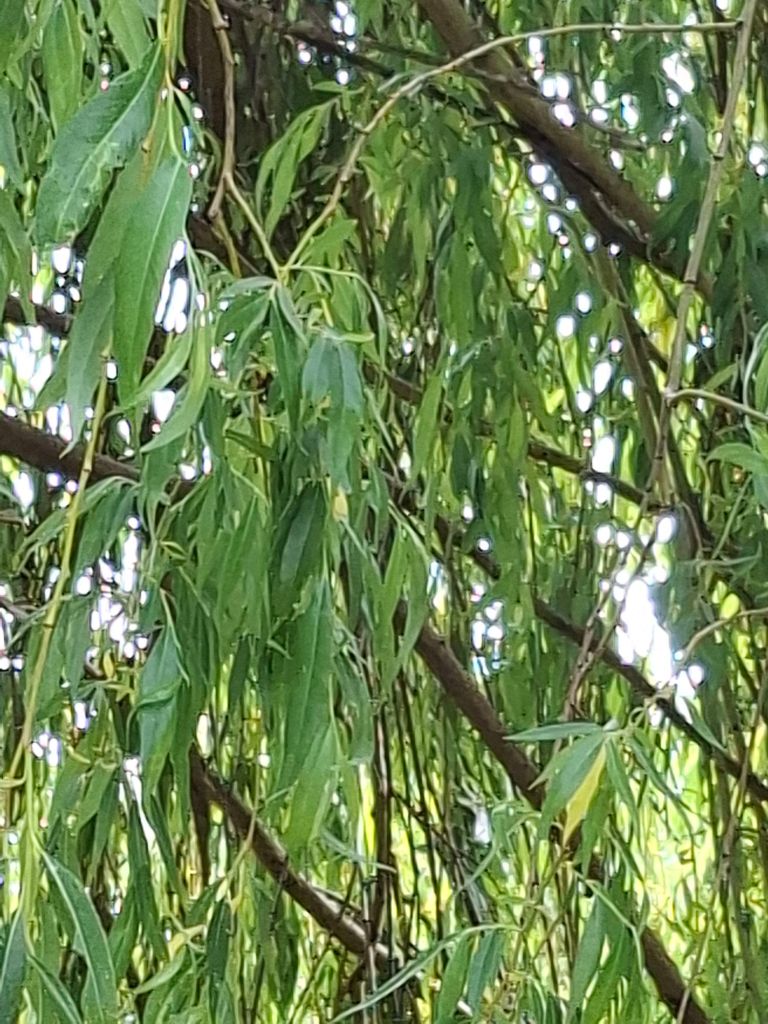
In the here and now, I see the beauty of the risen sun an hour from dawn. The play of light on a willow tree touched me with delight.

I was also touched by patterns of sun and shade on the park, on a tree trunk and a pathway out of the park. I found these patterns oddly inspiring. I don’t want to let big picture anxieties rob me of the moment. The anxieties are entirely valid, an authentic part of my experience. But the power and beauty of the world in front of my eyes, in an ordinary city park, are there too. Another authentic part of my experience and a resource to draw on.

SUNSET AND BEYOND

PROSE POETRY: 2019

Still meditating on the way I want to write prose poetry, I notice that recent work tends to have a different feel to the earlier pieces I have read and connected with. This gives me an enhanced sense of a rich tradition to work in.

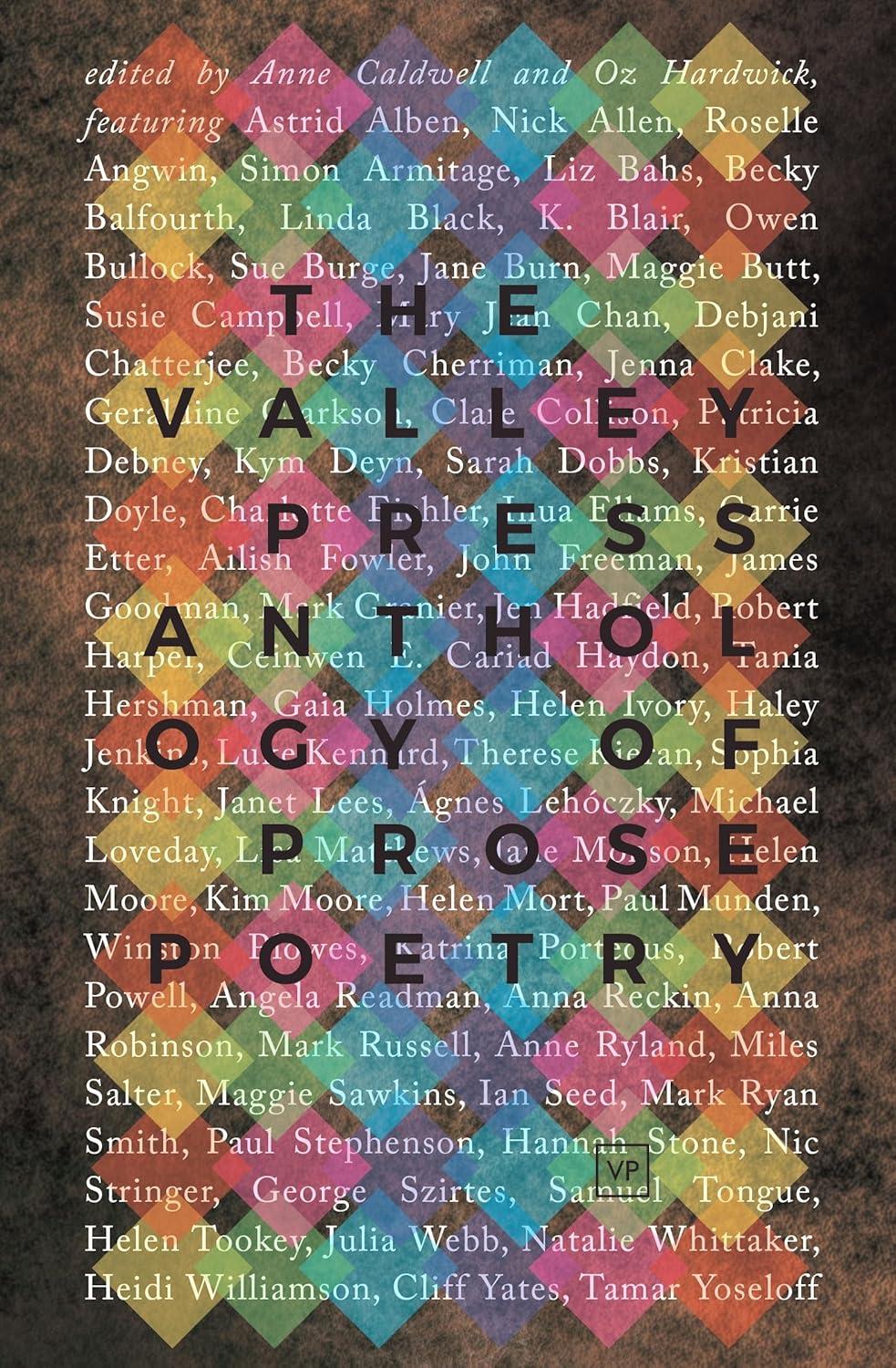
In The Valley Press Anthology of Prose Poetry, (2019), [1], I find longer pieces with more story telling,  adjacent to flash fiction yet not the same. The poet’s state of awareness continues to take precedence over encounters and events.

Here is an extract from Anne Ryland’s Running, I become. She is in Northumberland, England, running towards the Scottish border.

“Running, redrafting myself, I return to my primal language of sigh and puff and laugh; I become sweat and tear, the low-thud song of my lungs. I become  a woman wintering; I follow the pink-footed geese crossing the hard blue sky in a great wavering W, and when it sharpens to a V, a letter of purpose, I join the formation of those who know where to go and how and why, gliding upstream in their upwash,  their wingbeat. Running, I become the border.”

[1] Anne Caldwell & Oz Hardwick (eds.) The Valley Press Anthology of Prose Poetry: Scarborough, 2019

See also:

https://contemplativeinquiry.blog/2026/06/02/

WAXING

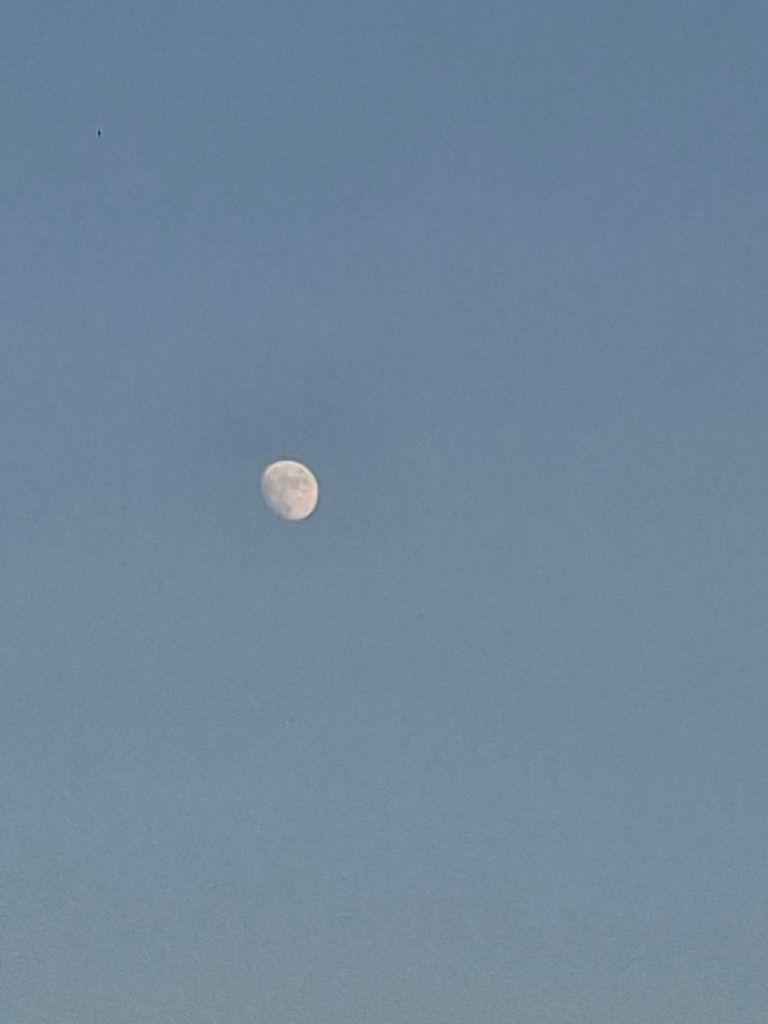
In the dance of waxing and waning, I am enjoying this waxing moment in the wheel of the year. The moon, a blue May moon, has been moving towards full – reaching it today. We are within three weeks of the summer solstice.

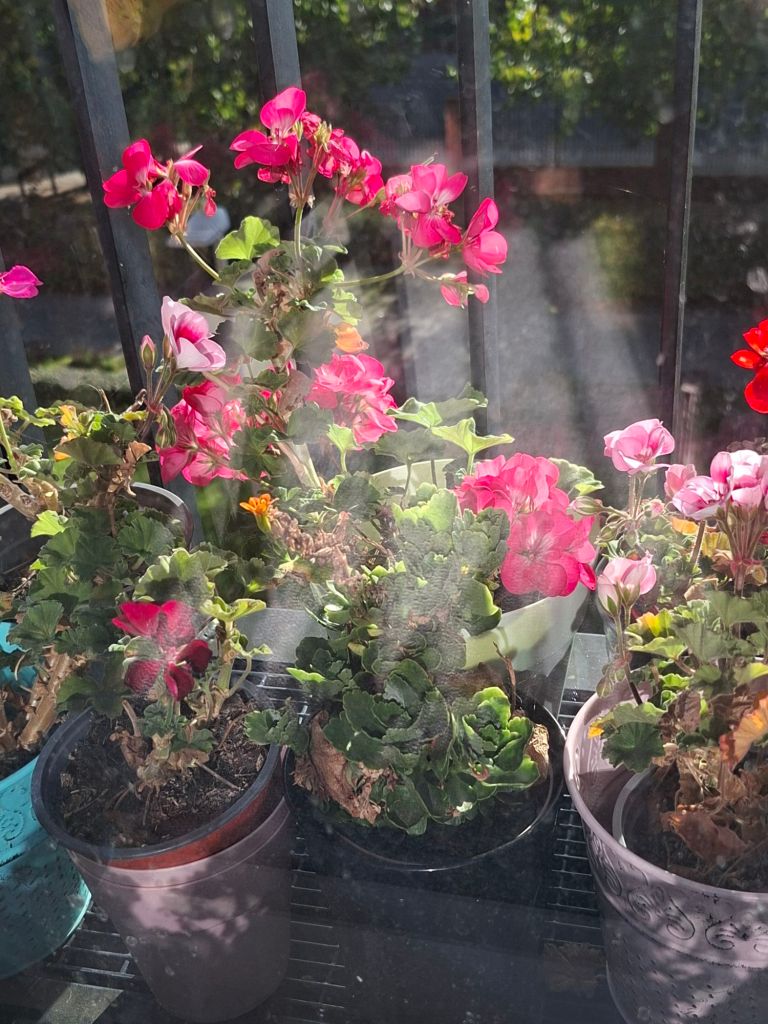
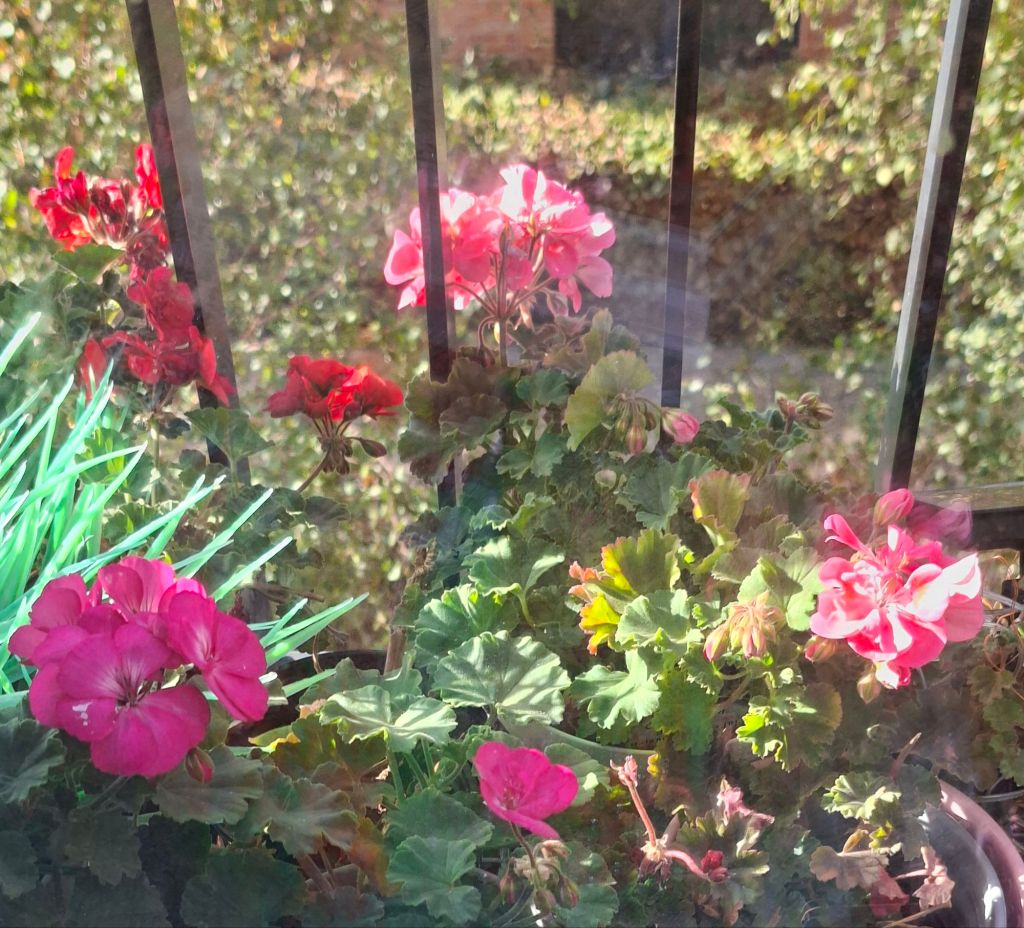
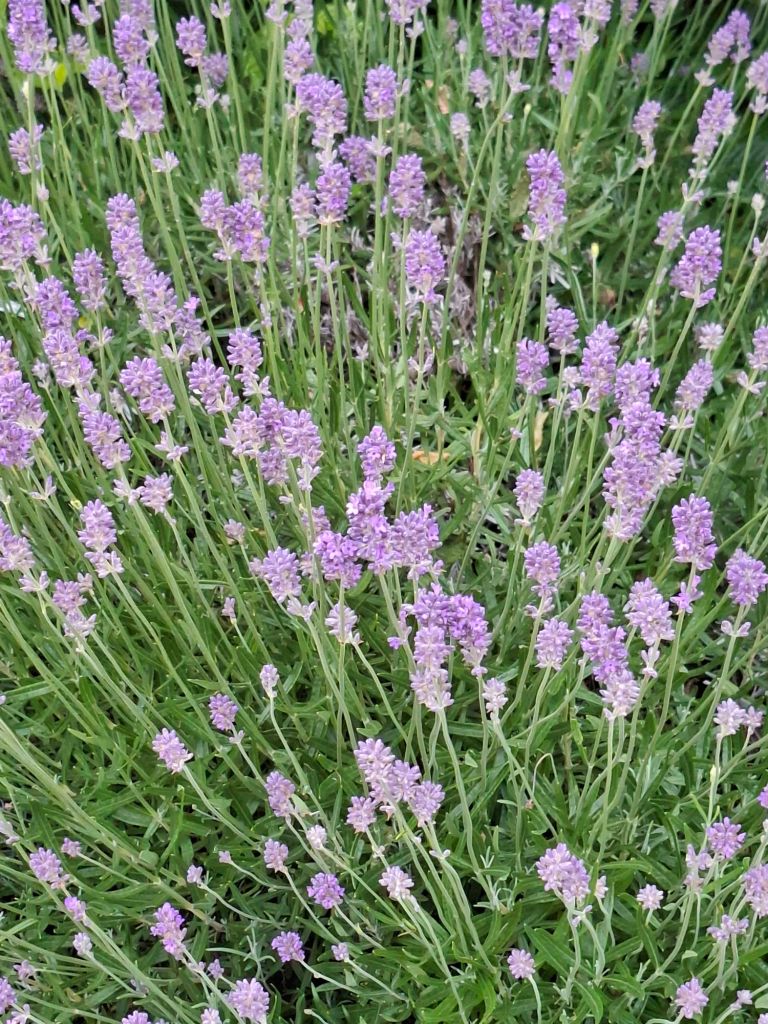
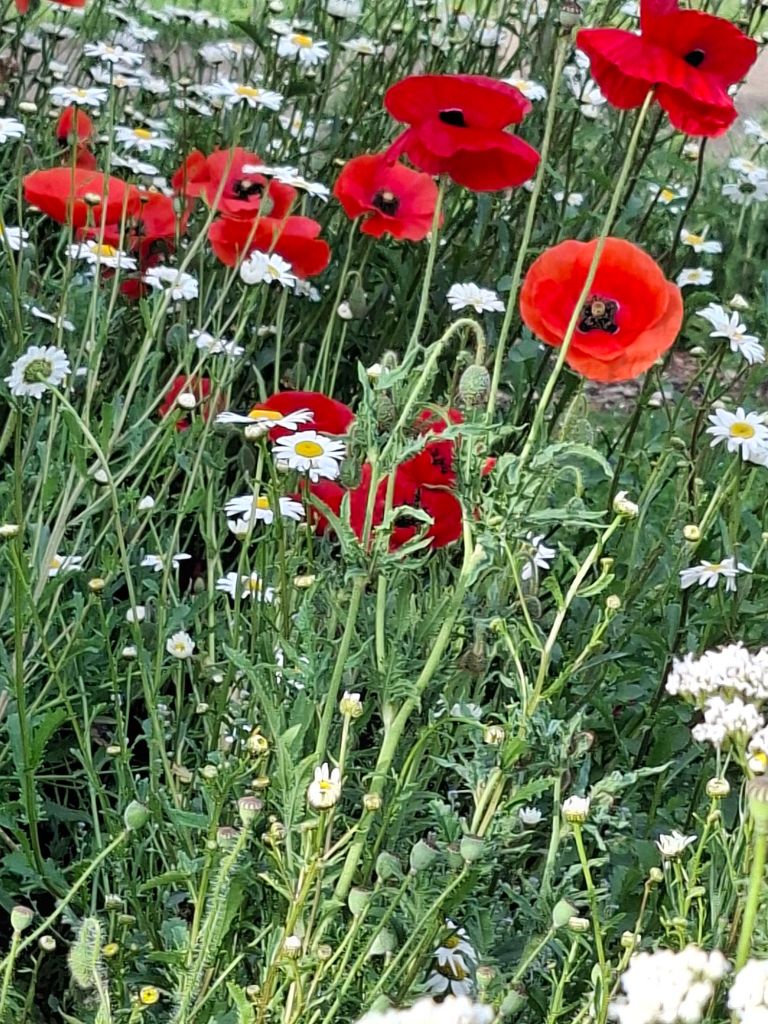
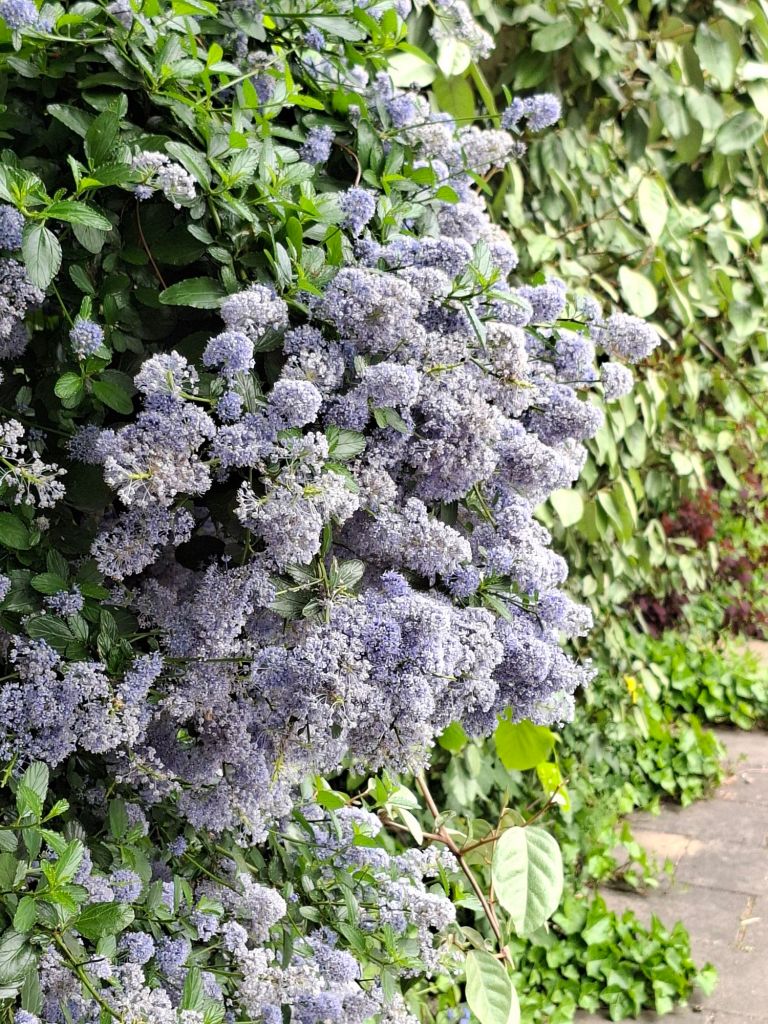
For me the energy has been palpable, even on the  days when I was personally fatigued by high temperatures. Plants offered images of this energy, by bursting into full colour – lavender above, poppies and daisies below: power along with beauty.

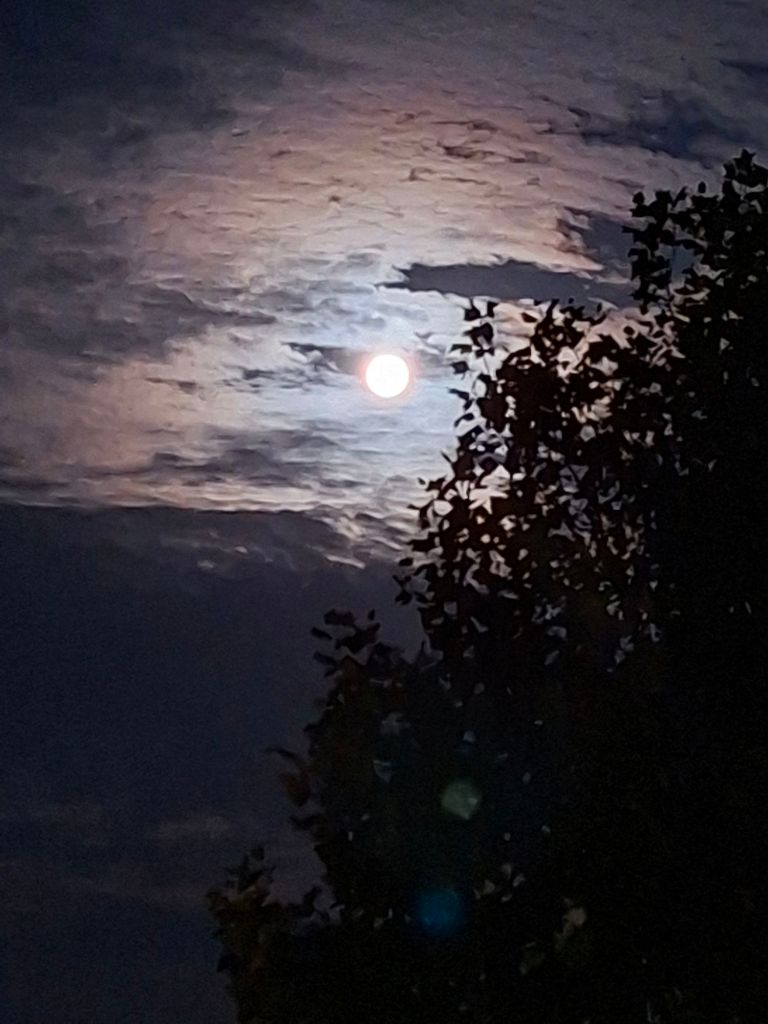
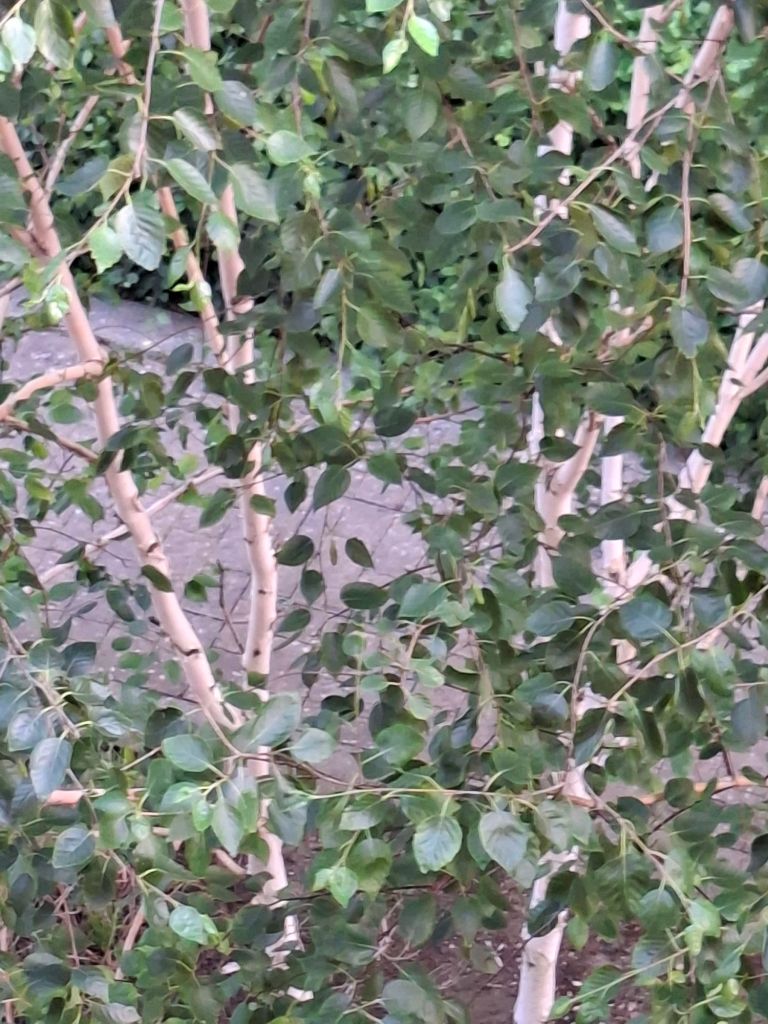
On one of the long hot evenings, I took a picture some of the birches  planted outside our building. They are getting stronger and, in this season more verdant. Five together are beginning to feel like a miniature grove. Features like these help to make urban Druidry easier. On the same evening I also photographed the waxing gibbous moon. It seemed apt, and resonant with the energy I was experiencing from the sun and on the earth around me.

MAY MORNING 2026

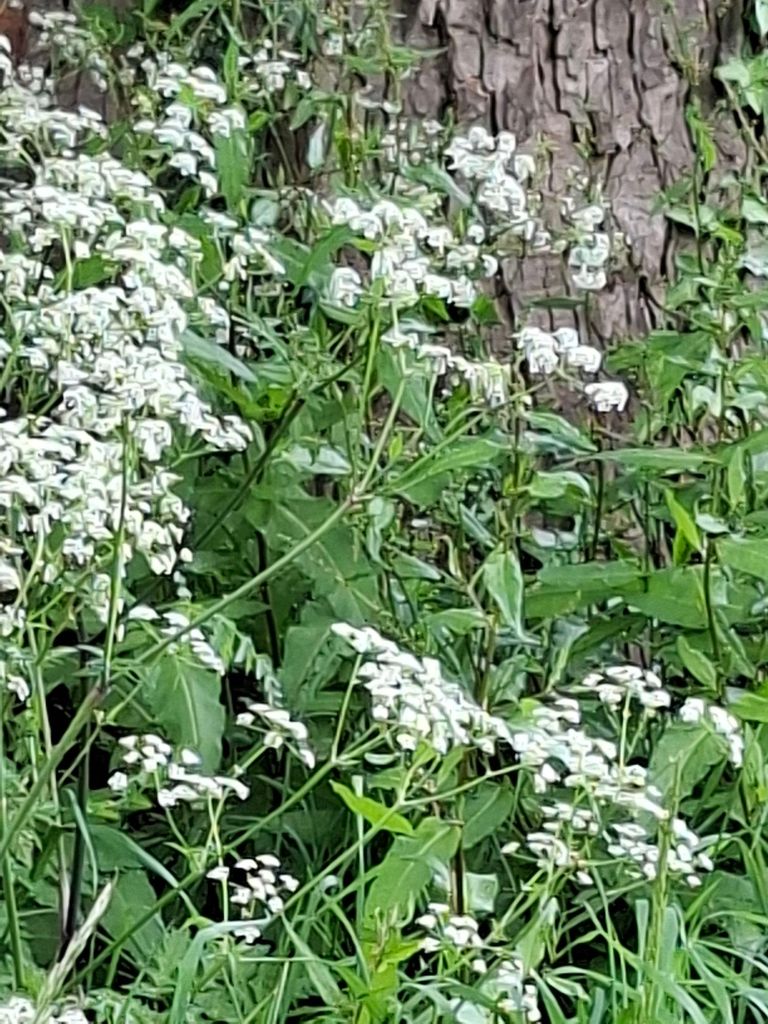
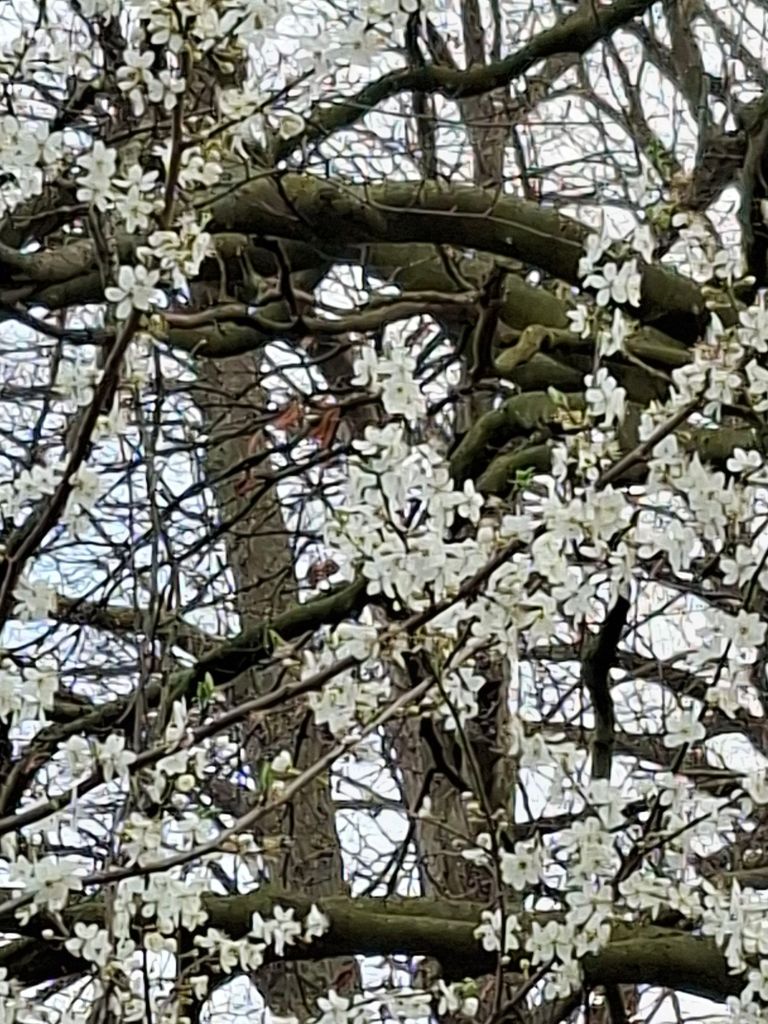
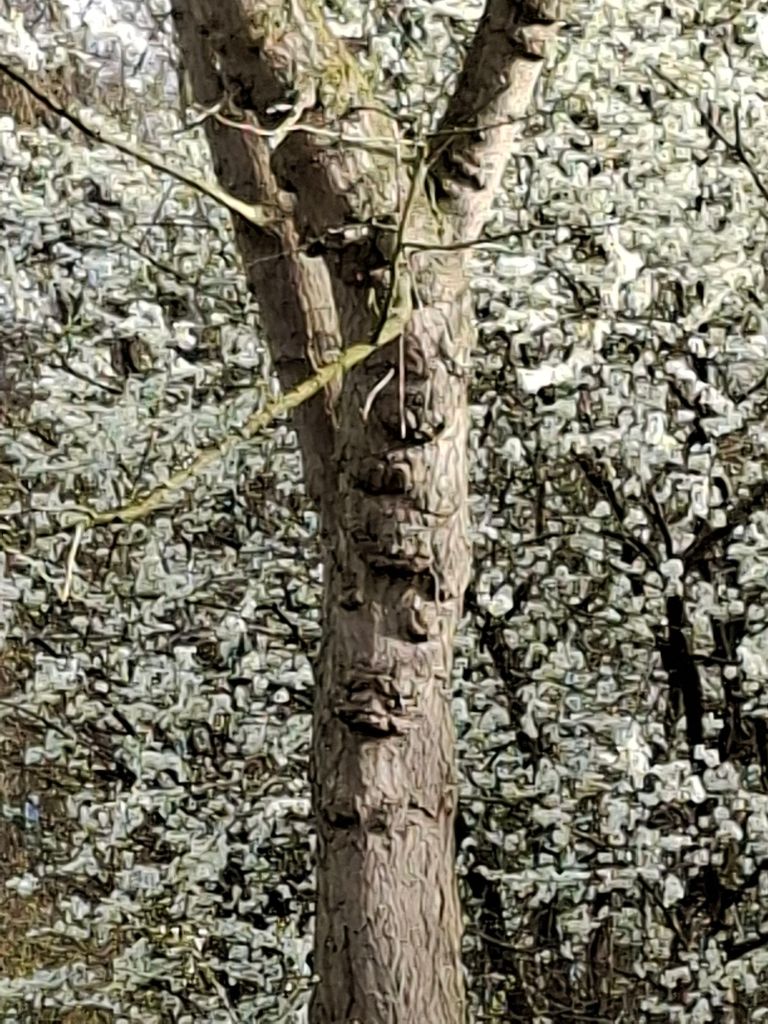
Recollecting a lush 1st May as it was in the late morning. Green and white abundance crowding a knotty tree trunk. Exuberance and fecundity close to the earth. The energy of willow reaching down.

Throughout the day I was reminded that this day was also a full moon – a flower moon. Hoping to take a picture in the evening, I was frustrated by cloud. Yet the power of the unseen moon felt present, all the same.

CONTEMPLATING THE BIRTH OF HAIKU IN ENGLISH

The American born poet Ezra Pound (1885-1972) is credited with the first English language haiku, written in 1913 (1,2). He described it at the time (1) as a ‘hokku-like sentence’ and used two lines rather than three. A title provides some of the context, which differs from Japanese practice.

IN A STATION OF THE METRO

The apparition of these faces in the crowd:

petals on a wet, black bough.

Pound was born in Idaho, USA, but lived for most of his life in England, France and Italy. He was part of a generation eager to learn from China and Japan. Poets and artists alike were seeking inspiration outside their received inheritance of European derived culture. They wanted to shake it up.

Pound became a key figure in the modernist poetry of his age. In the years leading up and into World War 1, he was involved in the brief yet influential Imagist movement (3) whose three key principles were:

1  direct treatment of things, whether subjective or objective.

2 use no word that does not contribute to the presentation

3 regarding rhythm: to compose in sequence of a musical phrase, not in the sequence of a metronome.

It is easy to see how a Japanese Zen form could be a welcome influence, especially concerning the first two principles. But the point was not simply to copy the Japanese form. That would not be possible, and would not support the clarity and authenticity sought after. The languages are different. The Anglophone  poets would not be judged in part on the quality and presence of their calligraphy. The form would need to find a new home in a new language.

My personal attraction to haiku is its brevity and its focus on being in place.  Place is paramount. Time is usually abbreviated to an extended moment allowing for a  minimal narrative. In Pound’s metro station piece, the ‘apparition of faces’ is not fixed. It is in motion, though very briefly, enough to be perceived by the poet/observer. Then there’s an attention switch to the petals and the bough – but the duration of the switch is likewise minimal. Narrative is confined to an extended moment of living experience.

Within such moments, I find a withdrawal and emptying out of personality and a sensitivity to interbeing (4), where the distinction between observer and observed disappears. They are not exactly one, but they are not separate either.

Hence for me, reading and writing haiku can be a contemplative practice and part of my inquiry. There are of course other ways of using this flexible form, but they all demand a momentary heightening  of focus and attention. 

William Carlos Williams (1883-1962) was an American poet of the same generation as Ezra Pound. One of his best known poems is a disguised haiku, arranged differently than is now conventional. I don’t know exactly what he meant by the opening phrase ‘so much depends upon’, but I like to think of as an invitation to open our doors of perception a little wider.

So much depends

upon

a red wheel

barrow

glazed with rain

water

beside the white

chickens

The unvarnished haiku would be:

A red wheel barrow

glazed with rain water

beside the white chickens

(1) Haiku in English: The First Hundred Years chief editor Jim Kacian, editors Phillip Rowland & Alan Burns. New York & London: W. W Norton & Company, 2013 (Introduction by Billy Collins)

(2) William J. Higginson & Penny Harter The Haiku Handbook: How to Write, Teach, and Appreciate Haiku. Tokyo, New York, London: Kodansha International, 2009 (25th anniversary edition, forward by Jane Reihhold)

(3) https://contemplativeinquiry.blog/2017/08/07/poem-au-vieux-jardin/

(4) https://contemplativeinquiry.blog/2017/06/20/embracing-interbeing/

SPRING BEGINS

Change is coming as the days lengthen and temperatures begin to rise. I too have begun to feel spring-like – more energised and available  to the world.

Stepping out, I am in harmony with the life and growth around me. I become aware, again, of the resilience and potential of the plant kingdom.

I celebrate the life force within and without, both through movement as I walk and in stillness when I pause.

I learn again that a familiar space can be ordinary and extraordinary at the same time.

I open myself to spring 2026, the new season, as the Wheel continues to turn.

STIRRINGS IN THE PLANT KINGDOM

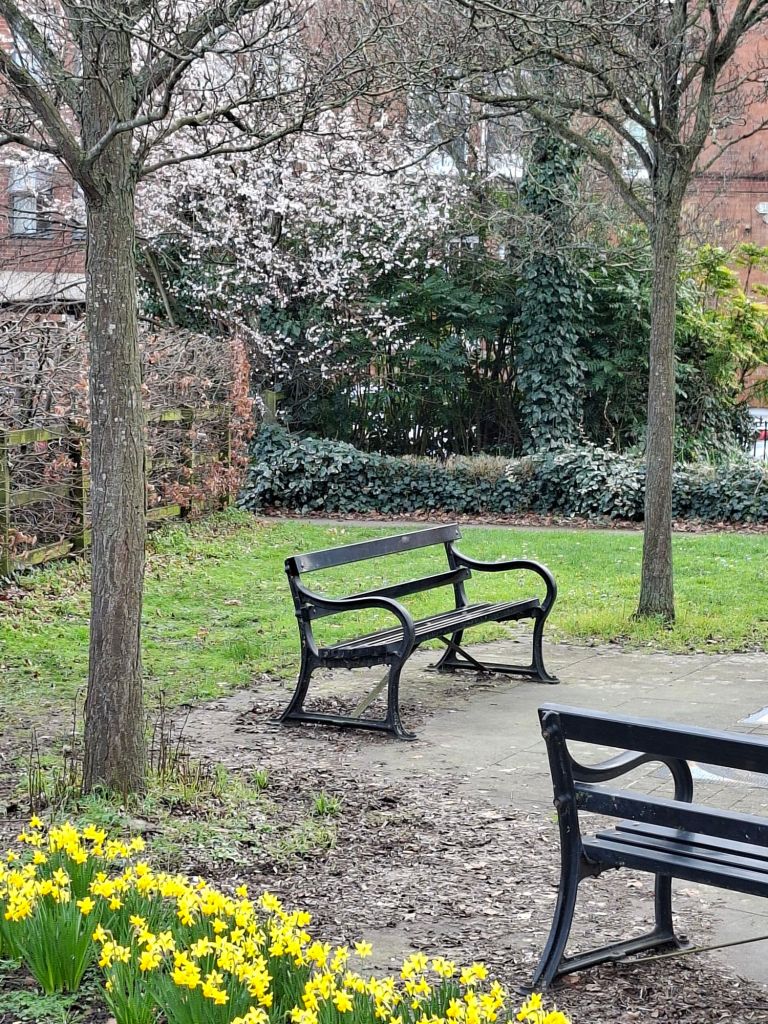
4pm,  9 February, Gloucester Park. I notice the ground in front of my feet. New life is emerging, pushing through last year’s fallen leaves. Crocuses – yellow, white, mauve – are making themselves known. Recent rain gives the blades of new green grass a fresh vitality. Feeling curious and energised, I enjoy an extended moment of contemplation on this small patch of land.

Then, looking around me, I find a contrast between the ground – active, emergent, blooming – and the trees, with their skeletal branches and latent potential. The exceptions are the willows, already moving towards spring.

I reflect on my different states of attention. If I walk briskly through the park, the flowers in particular are easy to miss. They are small and not  immediately arresting. To appreciate them, I have to decide to stop and look, emptying my mind of other concerns.  Then I can  become truly present to the world in front of me, a living world that wants to survive and thrive. Contemplating these flowers, I feel a strong sense of kinship and belonging. The same world is their home and mine: I feel grateful for being born into it. May the abundance of our world be protected and preserved in the days and years ahead.

TWILIGHT AT TW0 PM

old wall, old tree – both in shade

clouds constrain the sun

and there’s stillness in the land

Earth Eclectic

music that celebrates Earth and speaks to the heart

Sarah Fuhro Star-Flower Alchemy

Follow the Moon's Cycle

Muddy Feet

Meeting nature on nature's terms

Rosher.Net

A little bit of Mark Rosher in South Gloucestershire, England

Becoming Part of the Land

A monastic polytheist's and animist’s journal

selkiewife

Selkie Writing…

Charlotte Rodgers

Images and words set against a backdrop of outsider art.

Prof Jem Bendell

living purposefully during metacrisis and collapse

Towint

The pagan path. The Old Ways In New Times

The Druids Garden

Spiritual journeys in tending the living earth, permaculture, and nature-inspired arts

The Blog of Baphomet

a magickal dialogue between nature and culture

Musings of a Scottish Hearth Druid and Heathen

Thoughts about living, loving and worshiping as an autistic Hearth Druid and Heathen. One woman's journey.

Wheel of the Year Blog

An place to read and share stories about the celtic seasonal festivals

Walking the Druid Path

Just another WordPress.com site

anima monday

Exploring our connection to the wider world

Grounded Space Focusing

Become more grounded and spacious with yourself and others, through your own body’s wisdom

The Earthbound Report

Good lives on our one planet

Hopeless Vendetta

News for the residents of Hopeless, Maine

barbed and wired

All content on this site is now located at www.jonberrywriter.co.uk