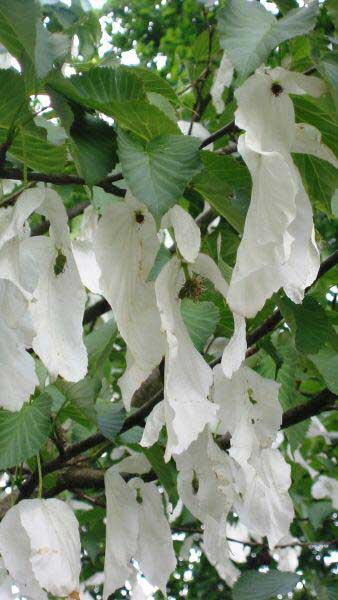
‘THE GHOST TREE’
by contemplativeinquiry
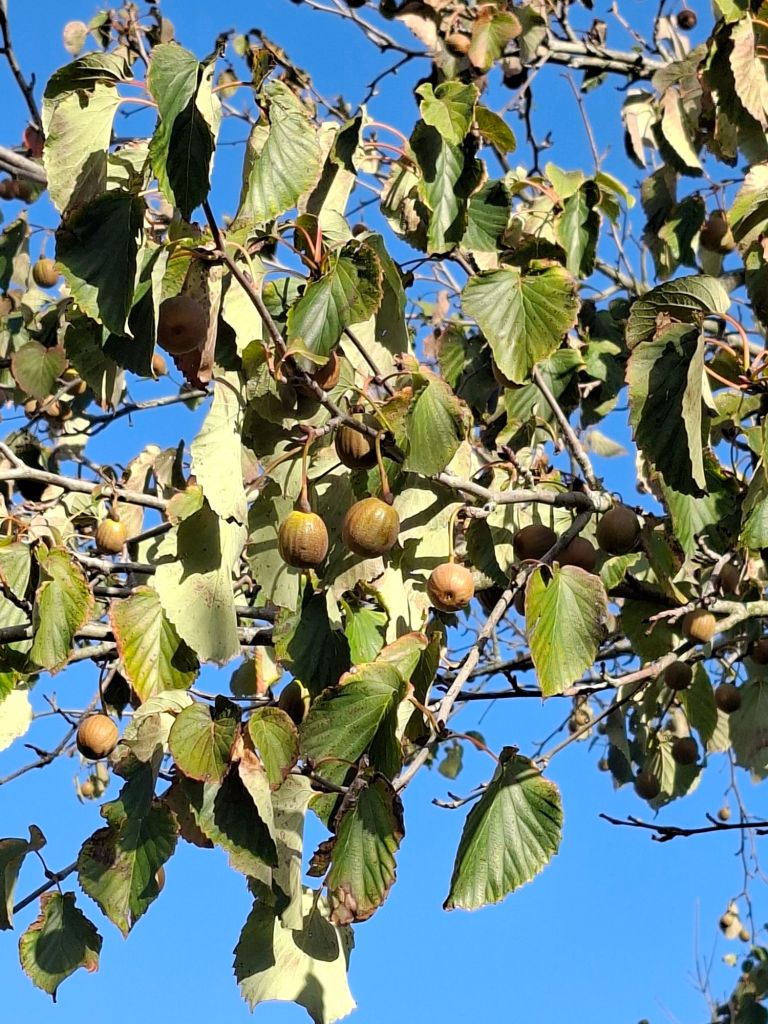
I am aware, now, of leaving October. In Druidry Samhain, the third and final harvest festival, acts as the gateway to winter. I am experiencing this change all around me.
The picture above shows the hard, nutty fruit of a tree. The two pictures immediately below show elegant bare branches. The three together, for me, illustrate the transition from autumn to winter.
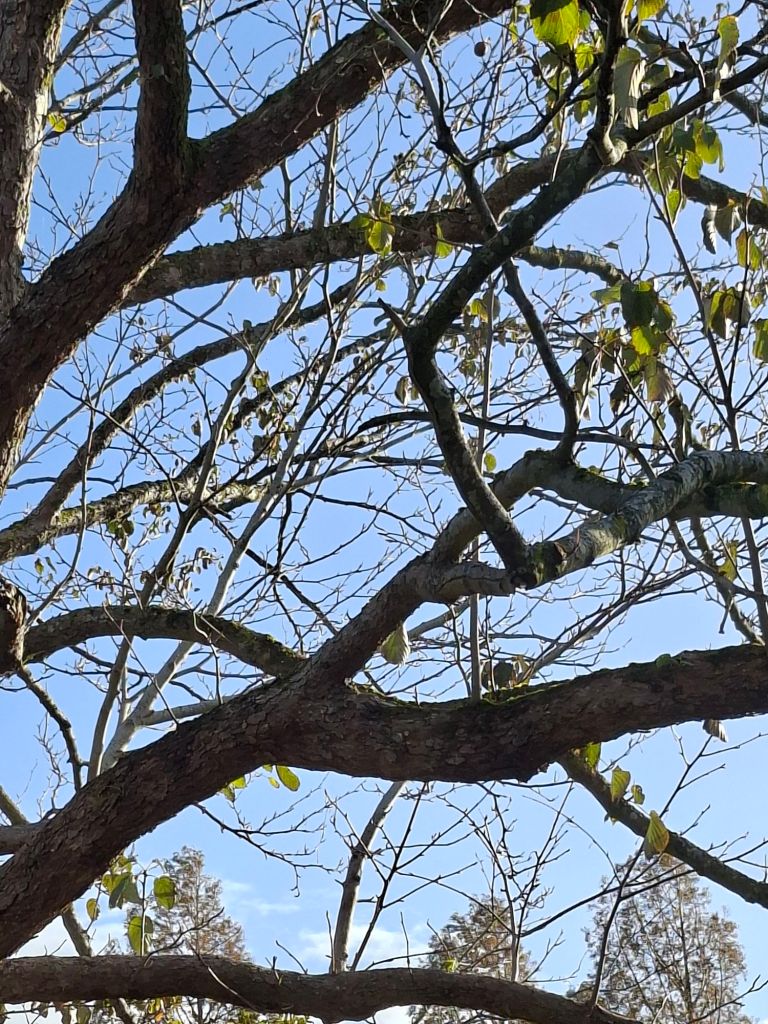
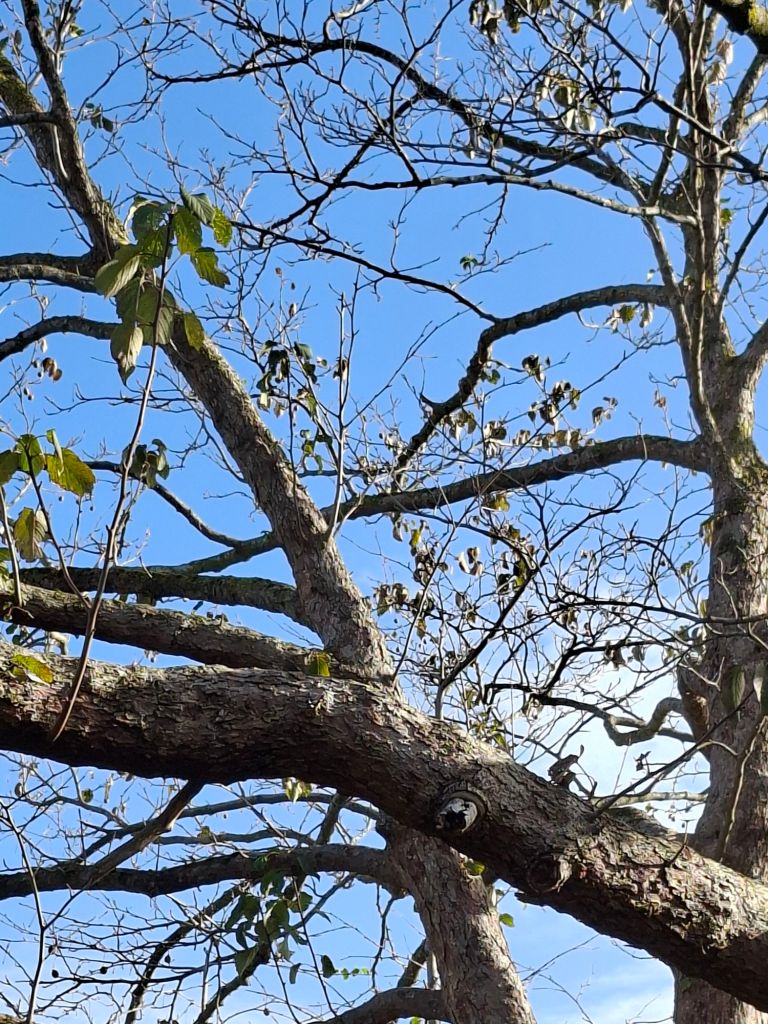
This tree is indigenous to South Central and Southeast China, where it lives in mountainous mixed forests. It is moderately fast-growing, reaching a height of 20-25 metres (66-82 feet). Fossils have been found dating back to the Upper Cretaceous period (66-100 million years ago).
Armand David, a French missionary and naturalist, took note of the species 2,000 metres (6,562 feet) up a mountain and sent dried specimens to Paris in 1871. The official species name became Davidia involucrata. It was not introduced to Europe and North America until 1904, where it became a popular ornamental tree in parks and large gardens.
One of the nicknames given to this tree is ‘The Ghost Tree’, which I find irresistible at this time of year. Yet the name references the late spring, the exact opposite end of the year The picture below shows the ghosts, white bracts (modified or specialised leaves) performing the function of petals. Hanging beneath horizontal branches, on a breezy day, they are said to flutter in the wind. As the Wheel continues to turn, I look forward to seeing them in six months time.