
CONTEMPLATIVE INQUIRY: ‘A VULNERABILITY OF OPENNESS’

My contemplative inquiry requires a “vulnerability of openness” as part of its process (1). For it is based on personal experience rather than theoretical knowledge. If I want to build an ecology of awareness, language and conceptual thinking are not enough. I need to be attentive to the whole of my living experience, including my body’s wisdom, my feelings, my contemplative states and my imagination. I am a living presence in a field of living presences, in a more than human world. My inquiry is really about how best to be awake and flourishing in this field.
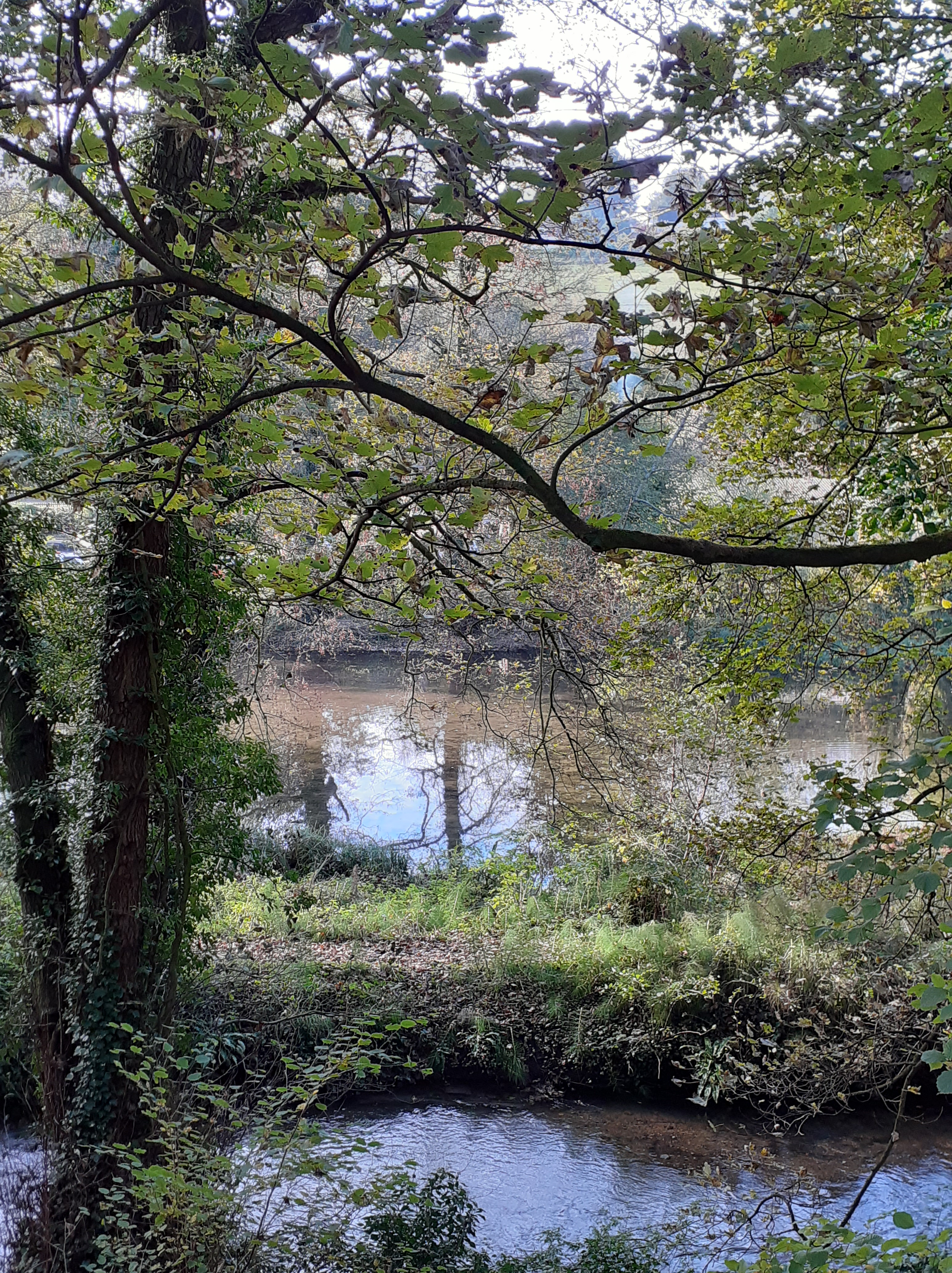
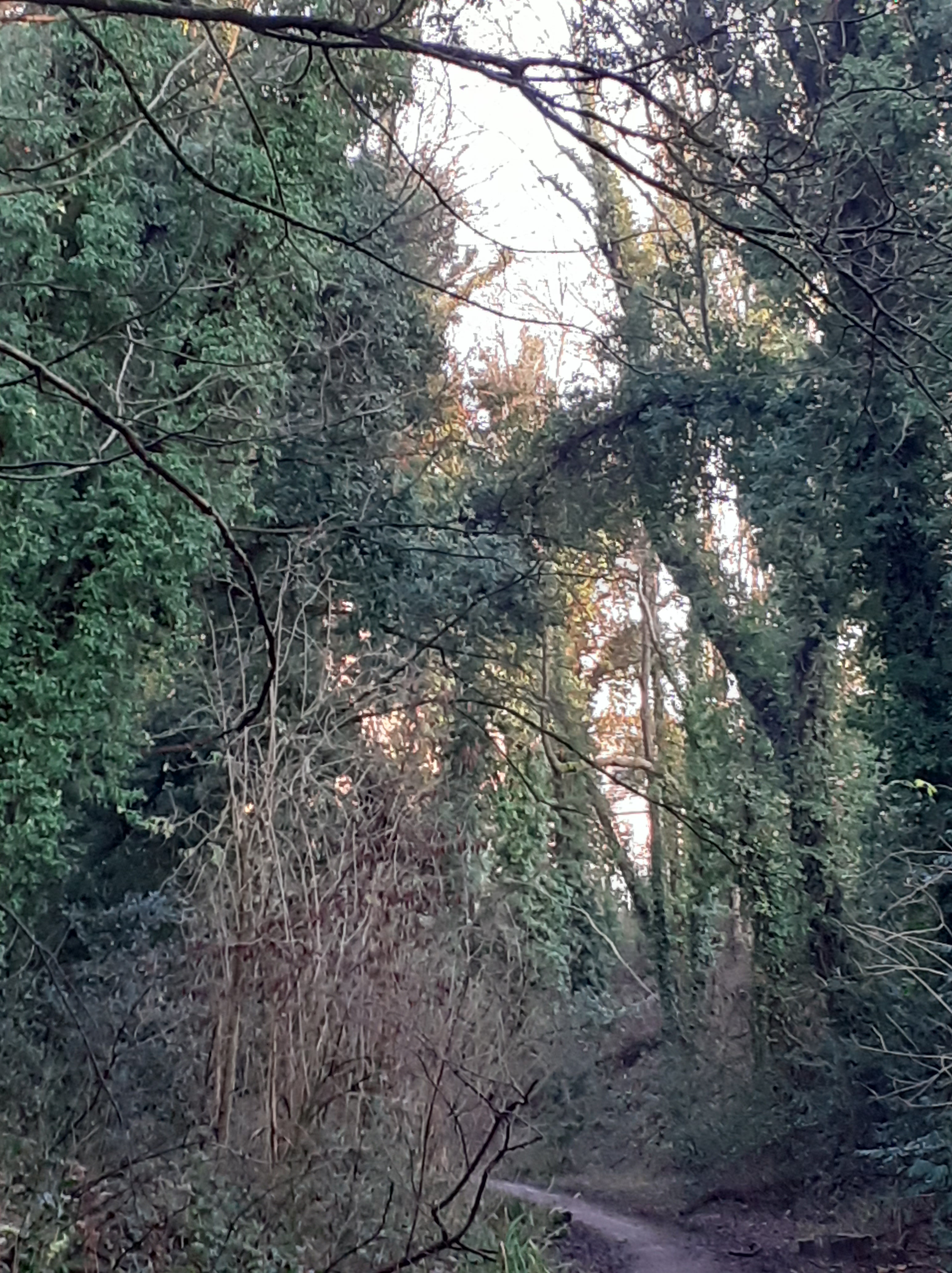
Vulnerability of openness is of course not the whole story. It is the yin aspect of an inquiry process that also has its yang. In a recent post (2) I wrote: “My walking time is still restricted. Perhaps because of this, familiar outdoor spaces have become exotic and magical to my eyes. My limiting circumstances are paradoxically making me more focused and attentive, enhancing my felt quality of life. I am readier to find joy in simple, passing experiences.”
This suggests that ‘magical’ experiences, even when apparently unwilled, are enhanced by focus and attention. Agency and will are part of the process too. Language and concepts allow me to bear witness to my unfolding experiences. But for me, without the vulnerability of openness at its root, the entire process is greatly diminished.
(1) Peter Reason (ed) Participation in Human Inquiry London: Sage, 1994
NB Participative inquiry involves groups working together in a collective research process.. But for Reason, the term ‘participation’ refers more fundamentally to human participation in the world: he uses it to challenge the widely assumed primacy of language and conceptual thinking in human experience.




 Contemplative Inquiry