Contemplative Inquiry

This blog is about contemplative inquiry

Tag: contemplative spirituality

WOODS AND WATER

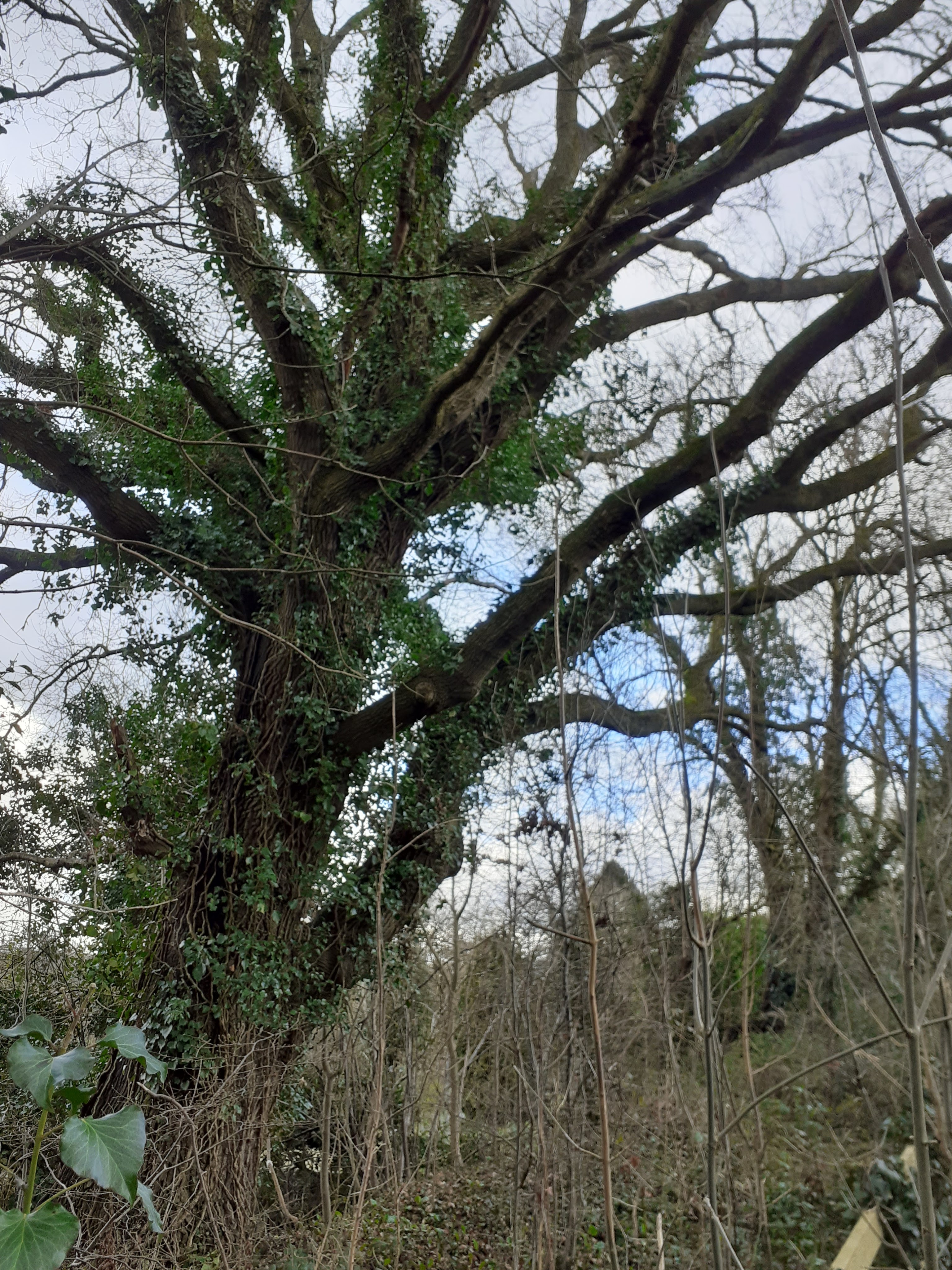
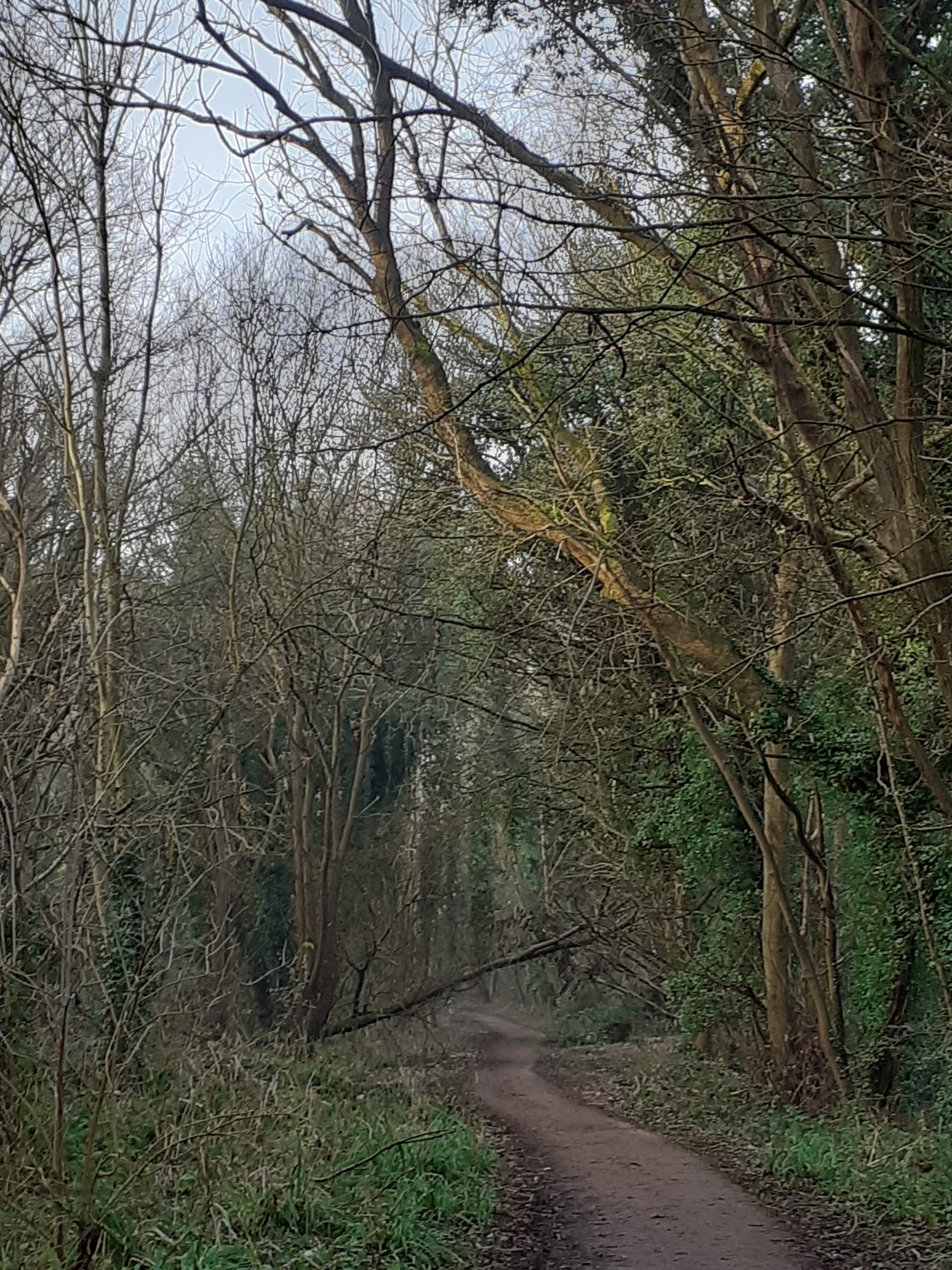
Yesterday, Thursday 18 February, was the first that felt like spring. The recent cold was gone. The rain that followed largely held off. I went out for a longer walk than for some time, and I felt a natural bubbling up of joy. It doesn’t take much, and I was able to open up to the renewing light and a sense of latent growth and possibility in the world around me. There are two months starting about now that have a sense of equinoctial wonder for me, with light and dark roughly in balance and a lot of change in the land. Yesterday felt like the beginning of this loved and valued time.

A good deal has been happening for me internally, which is influencing my spiritual practice and understanding in subtle but important ways. I will write about this in the weeks to come. But yesterday’s walk was a chance to be out in a woodland, as one being in the web of life connecting with others. Experiences like this are both simple and profound for me, and I feel grateful for the opportunity to have them.

PHILIP CARR-GOMM: DELICIOUS EMPTINESS

I attach a link to Philip Carr-Gomm’s podcast Delicious Emptiness, in his Tea with a Druid series. The series is produced by the Order of Bards Ovates and Druids (OBOD) which Philip led for over thirty years. The podcast beautifully describes meditation as a means of cultivating ‘delicious emptiness’ and its possible fruits. Highly recommended. OBOD can be found on http://www.druidry.org/ .

TIME, SEASON AND TIMELESSNESS

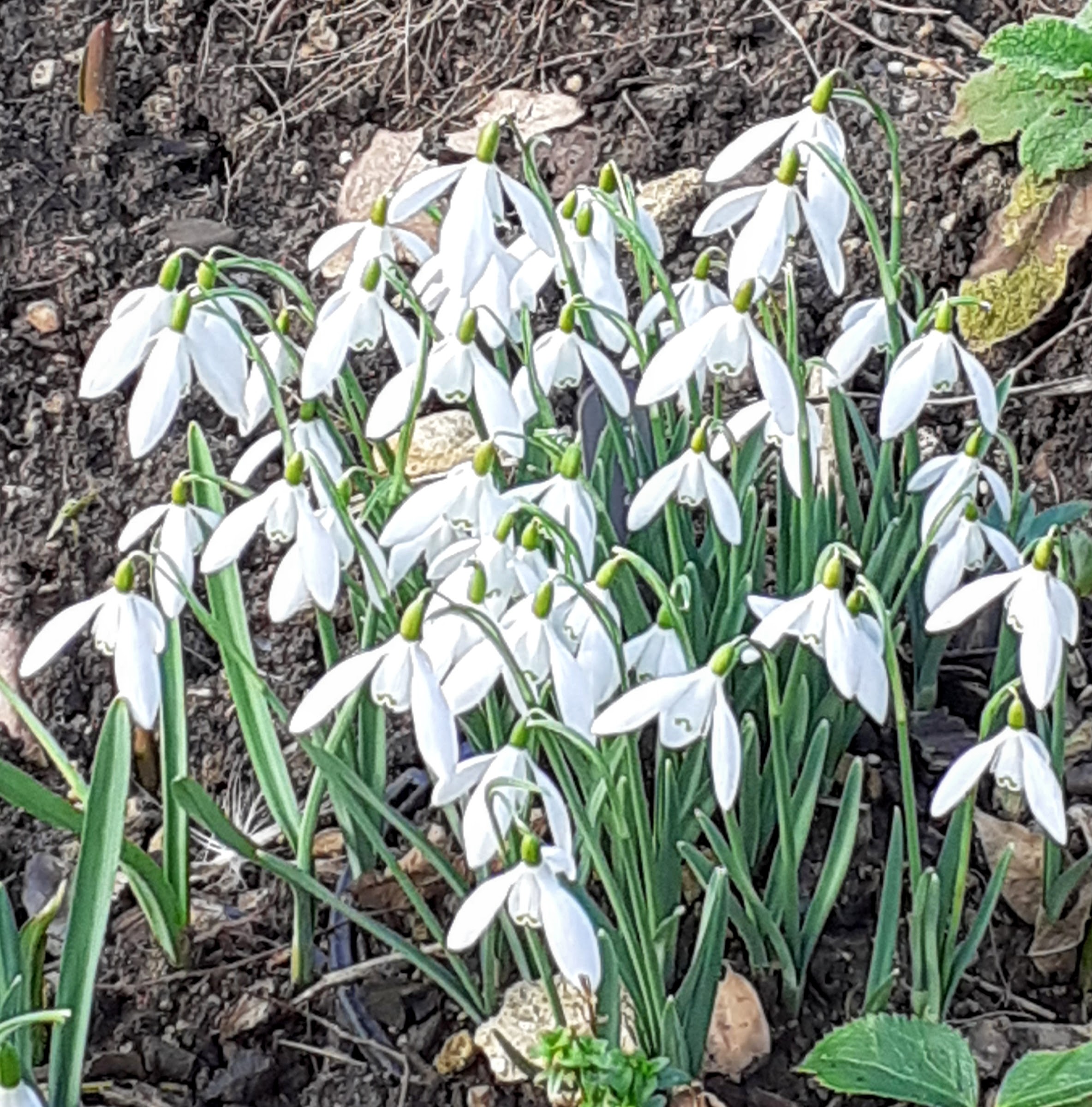
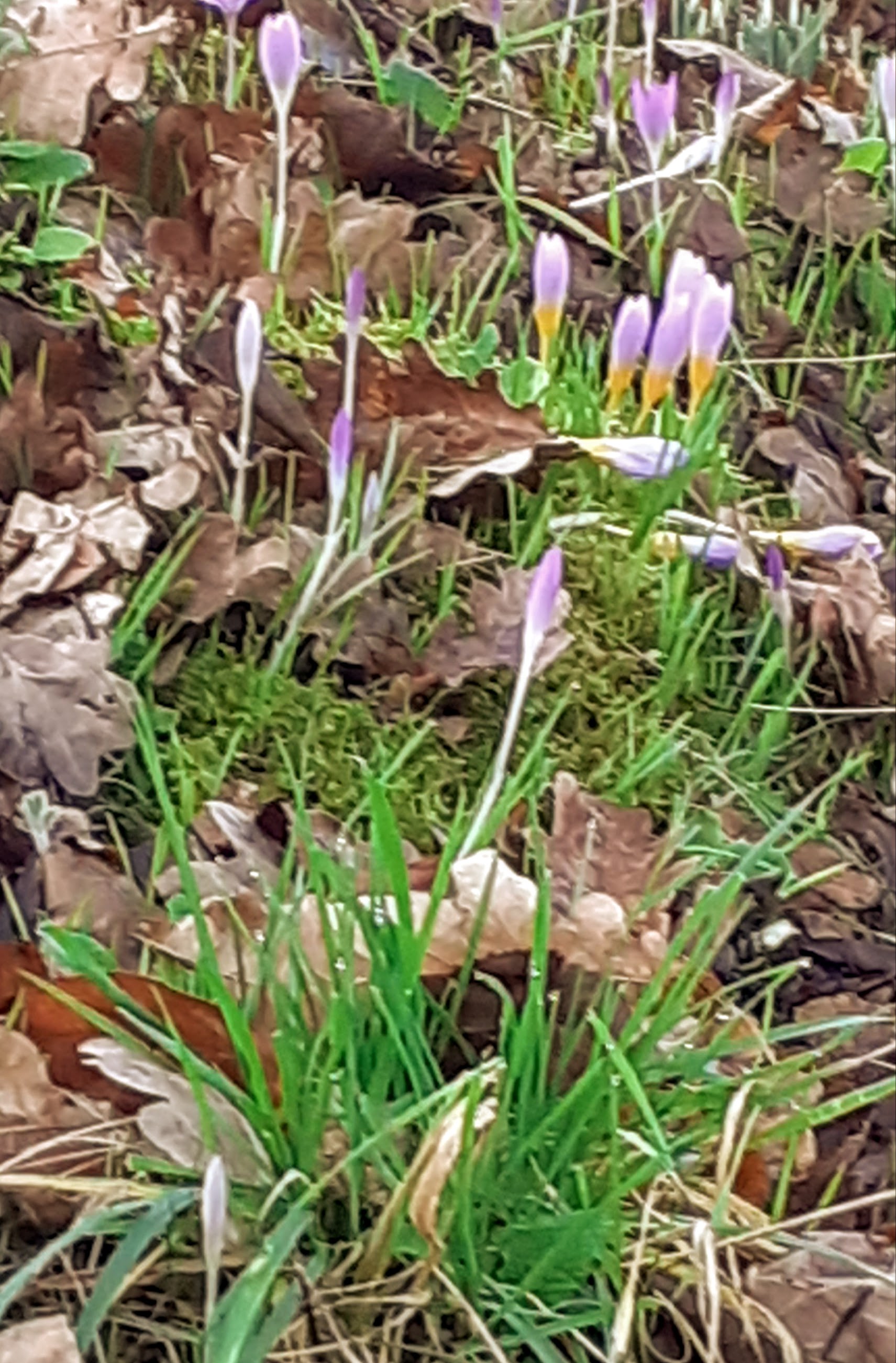
Every process in nature has its season, and its interdependence with other processes and events occurring at the same time. Part of our climate crisis involves the breakdown of long-standing relationships of interdependence. Where I live, the year at least seems, mostly, to move in its time-honoured way, though with an increase in storms and flooding. The flowers of early spring are comforting both in their presence and promise. Yet there are nagging questions about what disruptions the future holds for us, and how soon. This is before I open my awareness to include what other people in other places are already having to deal with.

Such instability impacts my contemplative life. I cannot rely on an externalised ‘nature’ for re-assurance about a world and life that will endure for me, or for beings like me living lives I can recognise. Conceptually, I have always known this, at least since I read H. G. Wells’ The Time Machine when I was eleven years old. It opened me up to the full implications of evolution by natural selection, a memorable moment in my education. I can remember sitting in early summer grass absorbing the insight. Now, both context and understanding are different. I am a lot older, in a time where premonitions of decline and fall can be placed in a near rather than remote future.

Yet the wheel of the year continues to move beautifully around the circumference of my circle. The centre is a different space entirely. I name it, in the About section of this blog, as “an at-homeness in the flowing moment”. This phrase comes out of my own experience rather than from the language of the traditions, and it “is not dependent on belief or circumstances, but on the ultimate acceptance that this is what is given”. I link this with peace and non-separation from source, a groundless ground though the latter might be.

Over the last year I have been influenced Robert Lanza and Bob Berman’s work on Biocentrism (1,2) discussed at https://contemplativeinquiry.blog/2020/02/03/biocentrism/ – I find myself leaning into their view of a cosmos where space and time are removed as “actual entities rather than subjective, relative and observer-created phenomena” thereby pulling the rug “from the notion that an external world exists within its own independent skeleton”. Such cosmology, not yet on the horizon for the Wells of 1895, makes reality more provisional and more ultimately unknowable than the reality of common sense. But for me, common sense reality is not lessened by being relativised, and I remain very busy with space and time. Rather, it becomes richer and more vivid, and more imbued with possibilities and potentials than my blinkered understanding can readily grasp. My contemplative ‘centre’ (ultimately unboundaried) is paradoxically a setting of peace and happiness – and also one of creativity and hope.

(1) Robert Lanza, MD, with Bob Berman Biocentrism: How Life and Consciousness are the Keys to Understanding the True Nature of the Universe Dallas, TX: Benbella Books, 2009

(2) Robert Lanza, MD, with Bob Berman Beyond Biocentrism: Rethinking Time, Space, Consciousness, and the Illusion of Death Dallas, TX: Benbella Books, 2016

CHANGE IN MIND

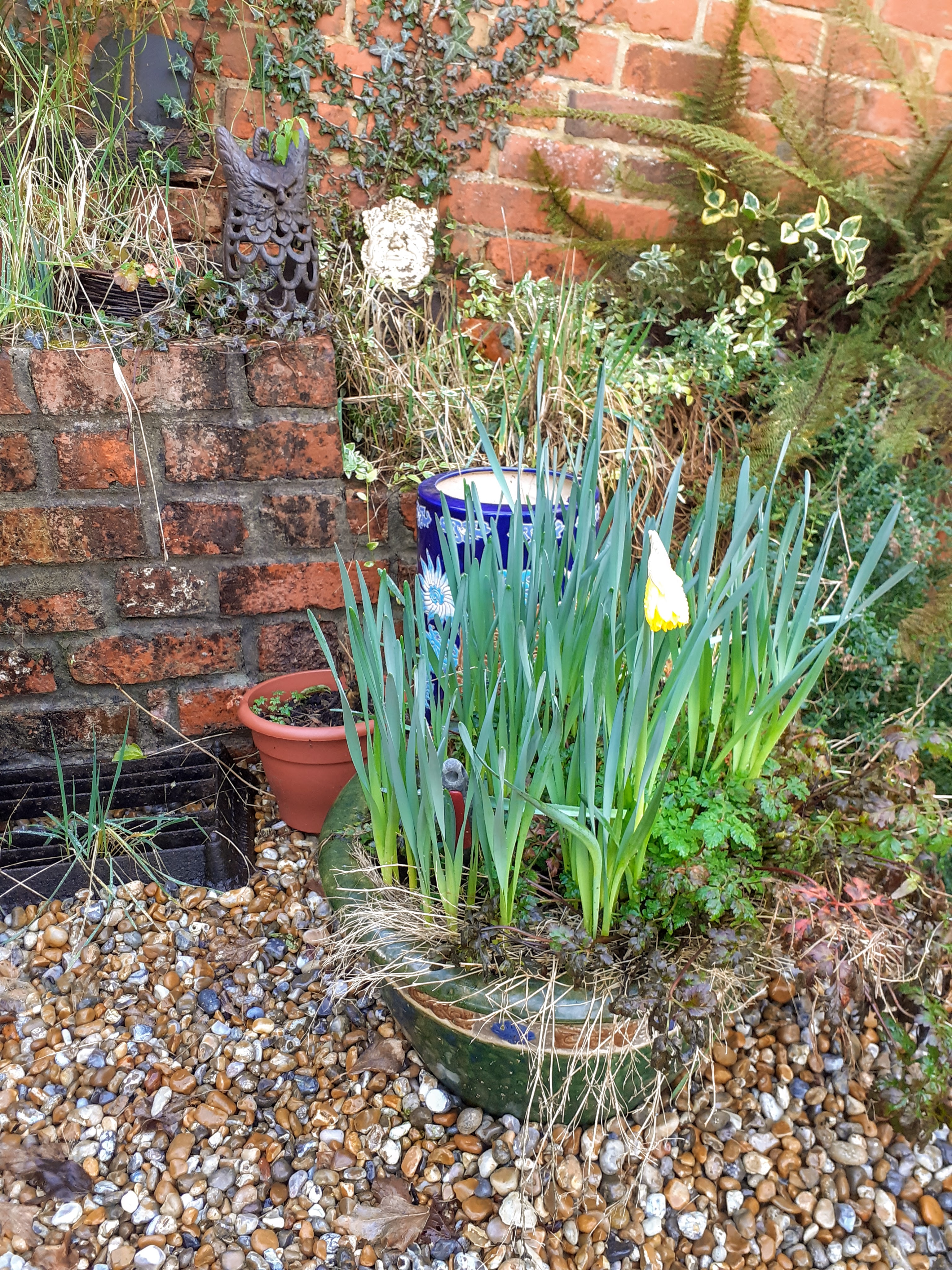
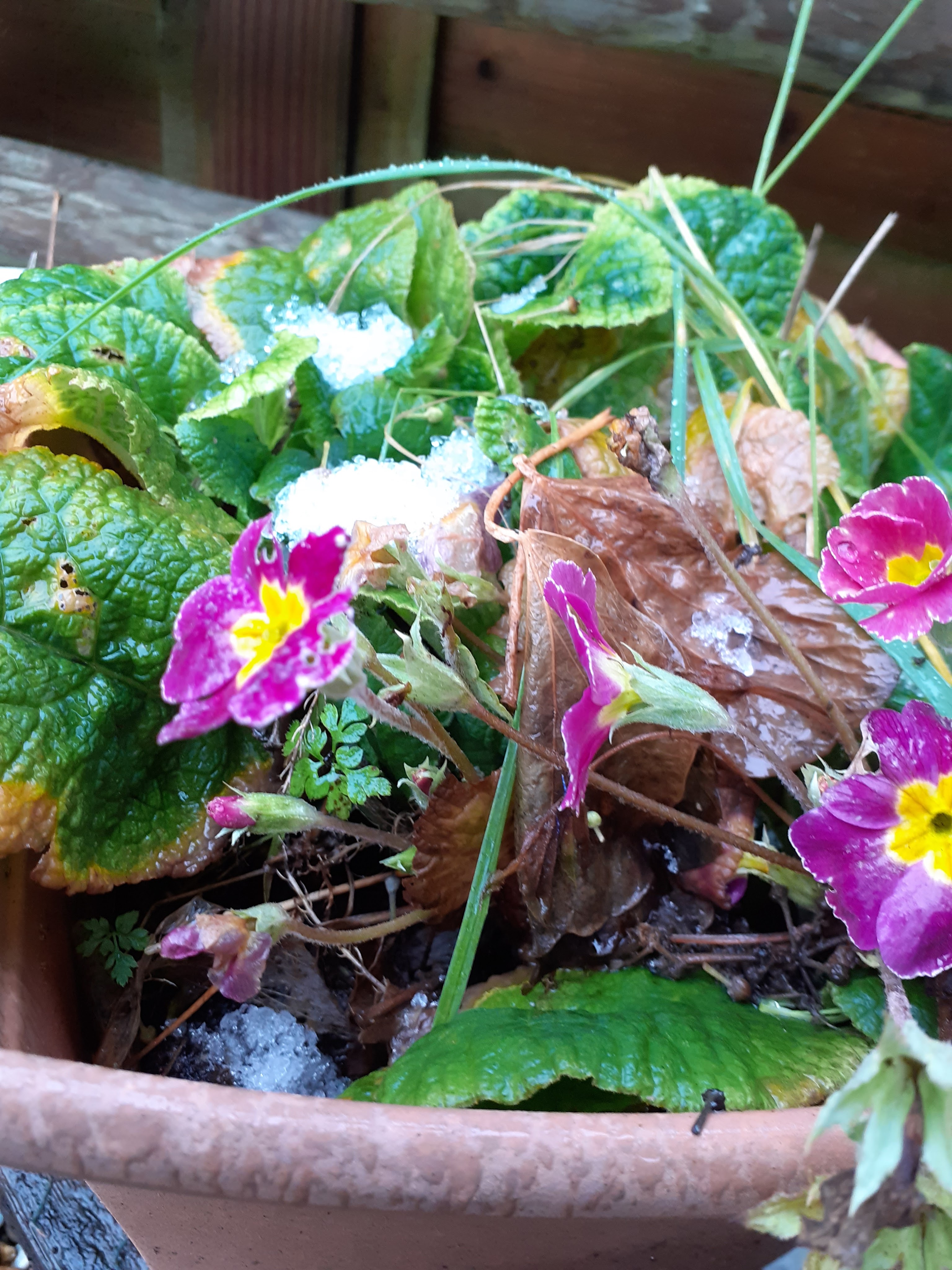
The appearance of a daffodil in our garden is a delight. Daffodils in early February feel quite different from the iconic Imbolc snowdrops, whose beauty still feels wintry. The solar yellow of the daffodil disrupts my winter habits of mind. The flower is a clearer harbinger of spring in the world’s life and mine. In a number of different ways, I am recovering my belief in movement and change. The daffodil tells me that it is time for a vitalising re-orientation.

A Covid-19 vaccination tomorrow is another event in a new pattern of life and experience. My wife Elaine’s recovery following her recent hospitalisation is another and greater one. Her convalescence is a gradual process and we are still living very carefully. But we are thinking creatively about the new life before us and how best to inhabit it, even whilst living a day at a time.

I notice that I feel more spiritually sensitive and open. I do not know yet where this is going to take me. On the one hand I feel strongly moved by a single flower. On the other, the world of appearances feels dreamlike and provisional. Then there is the vividness of daily life and relationship. A change is happening and I’m not looking for an explanatory language to pigeonhole it, or to make it abstract and safe. For now, I am simply acknowledging a change in mind.

BIRCH: NEW BEGINNINGS

Within my mandala of the year (1) Birch – Beith in the Irish ogham alphabet (2) – is the first tree for the spring quarter beginning at Imbolc. The overall theme of this quarter, in my world, is one of early growth. Birch presides from 1-22 February and will become one of the first trees to flower in spring, from March onwards. It is also one of the first trees to colonise new ground.

In ogham lore Birch is understood to support new beginnings and to encourage careful preparation, a skilful laying of the ground on which we will build. “In making your spiritual journey with this tree as your guide, remember to concentrate your mind on the uplifting slender whiteness of the tree, a whiteness that stands out clearly from the tangled undergrowth and confusion of shrubs and thorny bushes that cover the floor and, hence, may inhibit an easy journey” (3). The Green Man’s wisdom (1) is that a good beginning leads to a good conclusion.

In runic tradition (4), where Birch (Beorc, Berkana) is also linked to new beginnings, there is specific reference to the young Goddess, sexuality and birth, as well as beauty and creativity more generally. Birch may signal a laying aside of old patterns, whether merely redundant or positively toxic, and a willingness to welcome new, more energising and nourishing ways of being.

For me, this is a welcome shift from the necessary defensiveness and protectiveness of alder. This year, it comes just at the moment where such a shift is possible – as my wife Elaine continues her recovery from major illness and we begin to dream and think our way forward, into a new cycle of life. The wheel turns, and there is a promise of positive change in the air.

(1) The image is from: John Matthews & Will Worthington The Green Man Oracle London: Connections, 2003.

(2) This mandala is based on my personal experience of trees in the neighbourhood as well as traditional lore. Moving around the spring quarter from 1 February, the positions and dates of the four trees are: Birch, north-east, 1-22 February; Ash & Ivy, east-north-east, 23 February – 16 March; Willow, east, 17 March – 7 April; Blackthorn, east-south-east, 8 – 30 April. The summer quarter then starts with Hawthorn at Beltane. For a complete list of the sixteen trees, see https://contemplativeinquiry.blog/2020/autumn-equinox-2020-hazel-salmon-awen/

(3) Liz and Colin Murray The Celtic Tree Oracle: A System of Divination London: Eddison-Sadd, 1988 (Illustrated by Vanessa Card)

(4) Sweyn Plowright The Rune Primer: a Down to Earth Guide to the Runes Rune-Net, 2006

TURN ME TO GOLD

Turn Me to Gold: 108 Poems of Kabir (1) is a beautiful book, and the fruit of “five years spent in the unremitting presence of Kabir”. For Andrew Harvey, “Kabir is far more than a poet; he is a universal initiatory field, as expansive as Rumi and as embodied, radical and ferocious as Jesus”. Harvey himself is more than a translator, working with his “whole mind, heart and body on breathing and living his words, the fierce temperature of his truth” and speaking of his own work as “strange, precise” and “ecstatic”. I do not think of this post as an attempted book review, since both Kabir and Harvey are asking to be met rather than evaluated. Rather, I am attempting an act of recognition.

I have written about Kabir’s work before in this blog. In the past I have used other translations (2,3), particularly Robert Bly’s. Having now read Harvey’s work, I am clear that it would now be my first port of call when engaging with Kabir, whilst retaining my respect for the other translations and feeling glad to have them. When a text from another language, culture and time is important to me, I like to have multiple translations. Turn Me to Gold has the additional merit of Brett Hurd’s accompanying photographs of modern Varanasi.

A weaver by trade but a poet-singer by calling, Kabir lived in the Varanasi (Benares) of the fifteenth century. His philosophy incorporated various beliefs of both Muslims and Hindus and later became one of the major influences behind Sikhism. Like Rumi, further to the west and generations earlier, he followed a devotional and ecstatic path, and like Rumi he tried to be a bridge builder between traditions. His work, written as songs for public performance with musical accompaniment, was enduringly popular, surviving in late manuscripts from different parts of India, which show modification over time by the region, religion and caste position of generations of listeners. Kabir experienced himself as filled with the Divine, simply, directly and completely, and so was not a friend of religious formalism or extreme practices done for their own sake:

“I’m not in austerities, not in meditation,

Not in feasts, not in fasts,

Not in rituals laid down in sacred texts,

Not in yogic exercises –

Look for Me with passionate sincerity,

I’ll be beside you immediately.

Kabir says; Listen to Me –

Where your deepest faith is, I am.

Kabir had no truck with waiting for an afterlife: “everyone says they’re going to ‘Heaven. Where this ‘Heaven’ is, I don’t know … As long as you look for ‘Heaven’, you’ll never find your home’. To come alive, spiritual experience needs to be present and embodied:

“More than anything else

I cherish at heart,

What in this world

Makes me live

A limitless life”.

That sense of living a “limitless life” in “this world” connects Kabir’s poetic witness to my own contemplative inquiry, helping to enrich its purpose and meaning. I am a modern Druid, more Universalist than Pagan, and I have been concerned, though active, practical inquiry, to craft a practice that I call ‘contemplative’. But this identification, socially useful as it is, dissolves within the molten core of the practice itself. I do not have quite the sense of personified divinity that Kabir and Harvey do, but I have what I imagine to be the cognate experience of at-homeness in the flowing moment. In practice terms, this is represented in the “peace” at the centre of my circle, which I describe further as “the bubbling source from which I spring and heart of living presence”. This is an energised, dynamic and joyful peace, not a calm or static one. Such a peace, for me, is a taste of limitless life in this world. I find it hard to talk or write about – the words keep going subtly wrong for me. Kabir and Harvey use the language of love, and perhaps they are right. This peace is an aspect of love.

“You can’t tell

The story of love.

Not a word of it

Has ever been told.

A dumb man

Eats a sweet

And smiles for joy.”

(1) Kabir Turn Me To Gold: 108 poems of Kabir Unity Village, MO: Unity Books, 2018 Translations by Andrew Harvey Photographs by Brett Hurd.

(2) Kabir Ecstatic Poems Boston, MA: Beacon Press, 1992 English versions by Robert Bly

(3) Kabir Songs of Kabir New York, NY: MacMillan, 1915 Translated by Rabindranath Tagore, assisted by Evelyn Underhill

CHERISHING LIFE

The world is changing, again. New growth insists on its place in the world, however icy the conditions. Life asserts its rights, as we move towards the festival of Imbolc. But this post is personal rather than generic. I am welcoming the return of my wife Elaine from seven days in the Royal Gloucester hospital, where she was treated for a life-threatening, non-Covid condition.

This was the background to my previously reported Covid test, (1) since we thought that Covid might be a factor for Elaine, whose symptoms were severer than mine. I have not said anything about this context up until now, because Elaine did not want to be mentioned in this blog at the time of the crisis. Now she is fine about it. In her first two or three days of Elaine’s hospitalisation, I was very worried about her. In the last couple of days I have been more relaxed and confidently looking forward to her return and a period of convalescence at home. Elaine speaks very highly of the hospital, its staff and the treatment she has received. I was able to communicate with her (and others) by text, email and sometimes (on her initiative) phone. So I did not feel cut off from her even though the hospital is operating a complete ban on visitors due to the Covid crisis.

The week has reminded me of the fragility of both life and love, and of their immense value. The outcome feels like a victory for life at a time when nature, in my neighbourhood, is pointing in this direction. Meanwhile the festival of Imbolc celebrates the return of the light. I will cherish this time as we move forward from here.

(1) https://contemplativeinquiry.blog/2021/01/18/another-dawn/

NAVIGATING TURBULENT TIMES

Ten suggestions for navigating turbulent times: I am interested in the following list by Carolyn Baker and Andrew Harvey (1). They are not from my tradition, but I find their thoughts relevant and challenging. They prompt me to wonder what my list would be. Their book, which I will review in a later post, was published in the USA in 2020, a little before the November elections.

“1. Stay Safe: wear masks when you are outside, continue social distancing as much as possible, and listen carefully to the scientists who are telling us we are in the middle of a second wave of the pandemic. Shun all large gatherings and rallies and find other ways to protest which can be just as effective.

“2. Take special care of your health and keep your body vibrant with exercise and good nutrition. The psychological and emotional demands of unfolding crises will be far more effectively sustained with a healthy body.

“3. Whatever your spiritual practice, plunge more deeply than ever into it. It is essential to pursue realization of your true Self with more faith and intensity in these exploding times than ever before.

“4. Fill your life with inspiration and beauty. Inspiration will keep your heart buoyant and alive, and beauty will remind you of the magnificence of life and fill you with the energy to want to safeguard it.

“5. If you can, spend 20 minutes in nature per day, experiencing your oneness with it and drinking in through every pore its steadiness and radiance. Allow yourself to become intimate with the Earth.

“6. Stay aware of how the pandemic and environmental crises are evolving. There is no security in denial or ignorance. Learn, however, to pace yourself because the ferocious information you will be taking in can become overwhelming.

“7. Take time to grieve. No one will escape heartbreak in a time such as this, and not attending to the suffering of the heart that inevitably rises in the face of so much destruction will lead to severe depression or a kind of inner deadness that makes it impossible to respond creatively. Get support from others who are also grieving alone, and there is no need to be alone in a crisis that is now global.

“8. Renew old friendships and relish and deepen the ones you have you have because everything now depends on the sanity and joy that only deep friendship and relationship can provide, Take special care and lavish special love on your animal companions, and they will reward you with their tender and miraculous love.

“9. Despite being mostly in lockdown, make an effort to practice Sacred Activism by giving wisely to those in need. Foodbanks need support as do healthcare workers and the homeless who are afraid of going to shelters because they are Petri dishes for the virus. If you are able to assist those in prison by standing up for their rights, or by encouraging them in any way, do so. Take seriously your right to vote, for everything depends throughout the world on turning back the tide of dark money-financed authoritarianism.

“10. Use this book as a way of training your inner eyes to see and celebrate the signs of the Birth of a new humanity that are rising everywhere amidst the obviously apocalyptic death. Note the heroism of extraordinary/ordinary people globally who are turning up to serve the sick and dying. Note the heroism of protestors after the horrific death of George Floyd. Read great evolutionary philosophers and mystics like Sri Aurobindo, Teilhard de Chardin, Bede Griffiths, Satprem, Teresa of Avila, Hildegard of Bingen, and Julian of Norwich, and those who speak of the global dark night, giving birth potentially to an embodied divine humanity.”

(1) Carolyn Baker & Andrew Harvey Radical Regeneration: Birthing the New Human in the Age of Extinction Bloomington, IN: iUniverse, 2020

ANOTHER DAWN

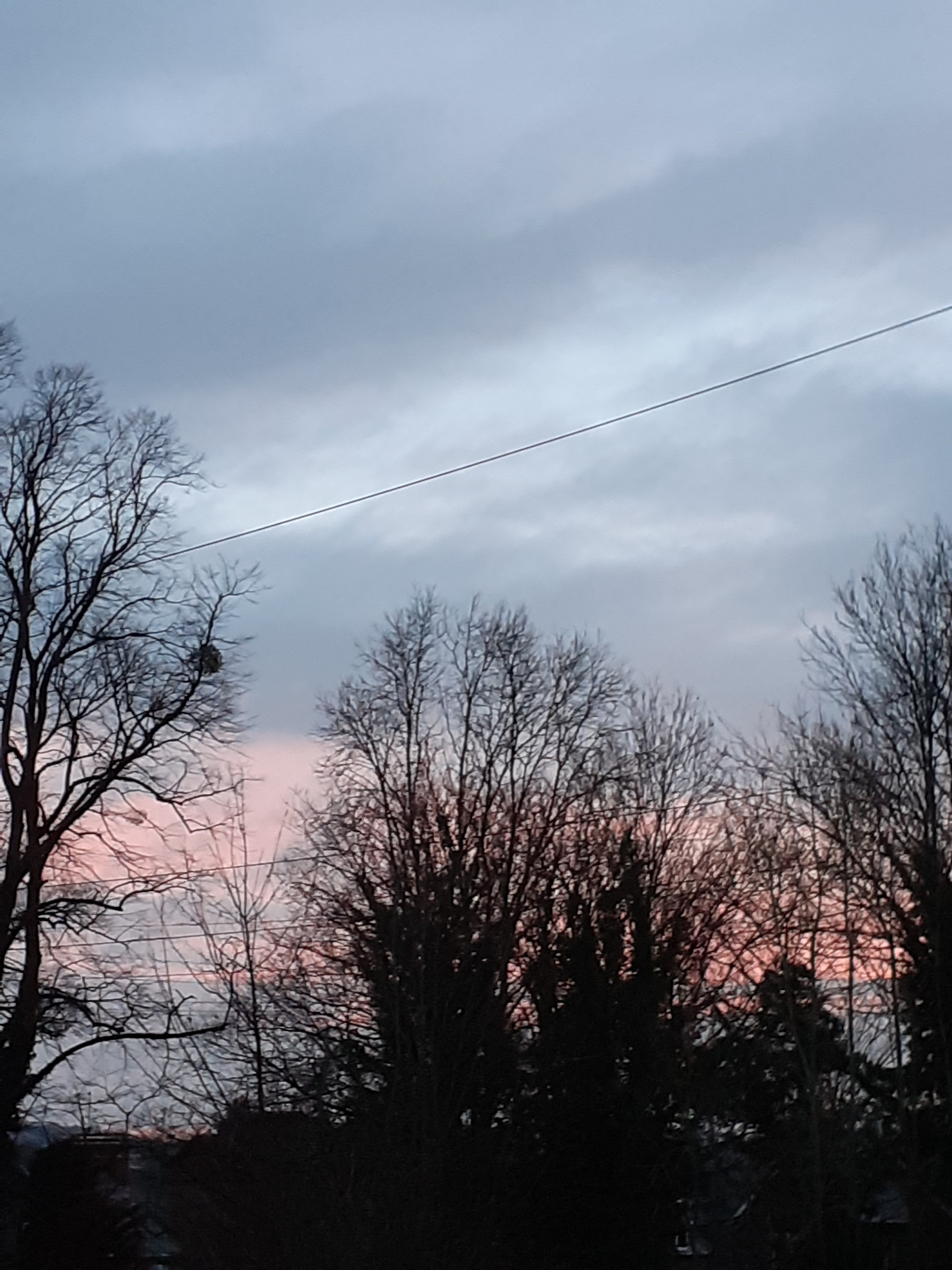
It is the dawning of 18 January 2021. The stark, bare beauty of the trees is set against a promising sky. Is the world beginning to open up? I can see a leaning in to Imbolc in this dawn, and a loosening in the hold of winter as the year moves on.

I cannot run out into this dawn, as I would like. I am in formal isolation, with a home testing kit for Covid-19 winging its way from NHS/Amazon. My symptoms are ambiguous. Covid-19 may not be the cause, but there is a real chance that it might. Meanwhile people in my 70’s age group are about to get vaccinated. Interesting times, for sure.

For me, the best way of addressing this is day at a time, whilst also assessing possible challenges sufficiently to be prepared for them. From a Druid perspective, I am finding the nemeton of my practice circle a tremendous resource. From the beginning of this year I have had both a morning and an evening circle. The former is built around energising myself and affirming both being and world. The second is contemplative, and built around both walking and sitting meditation. Each lasts for about half an hour.

I notice that I draw on Druid (largely OBOD) liturgy (1) , with modifications, quite a lot – for example, the approach to sacred space and use of the Druid prayer. This locates me within a training and community which add strength even at a distance. There are also aspects of practice drawn from other traditions and others which I have developed myself. The package overall retains a basic simplicity. It is a distillation of my contemplative inquiry – in a sense re-telling its unique story twice a day. I am finding this enormously helpful. I am reminded that the journey is what I had hoped it would be. This recognition holds me up, and is a dawning in itself.

(1) http://www.druidry.org/

(2)  https://contemplativeinquiry.blog/2020/08/27/my-druid-prayer/

SKY AND WEATHER

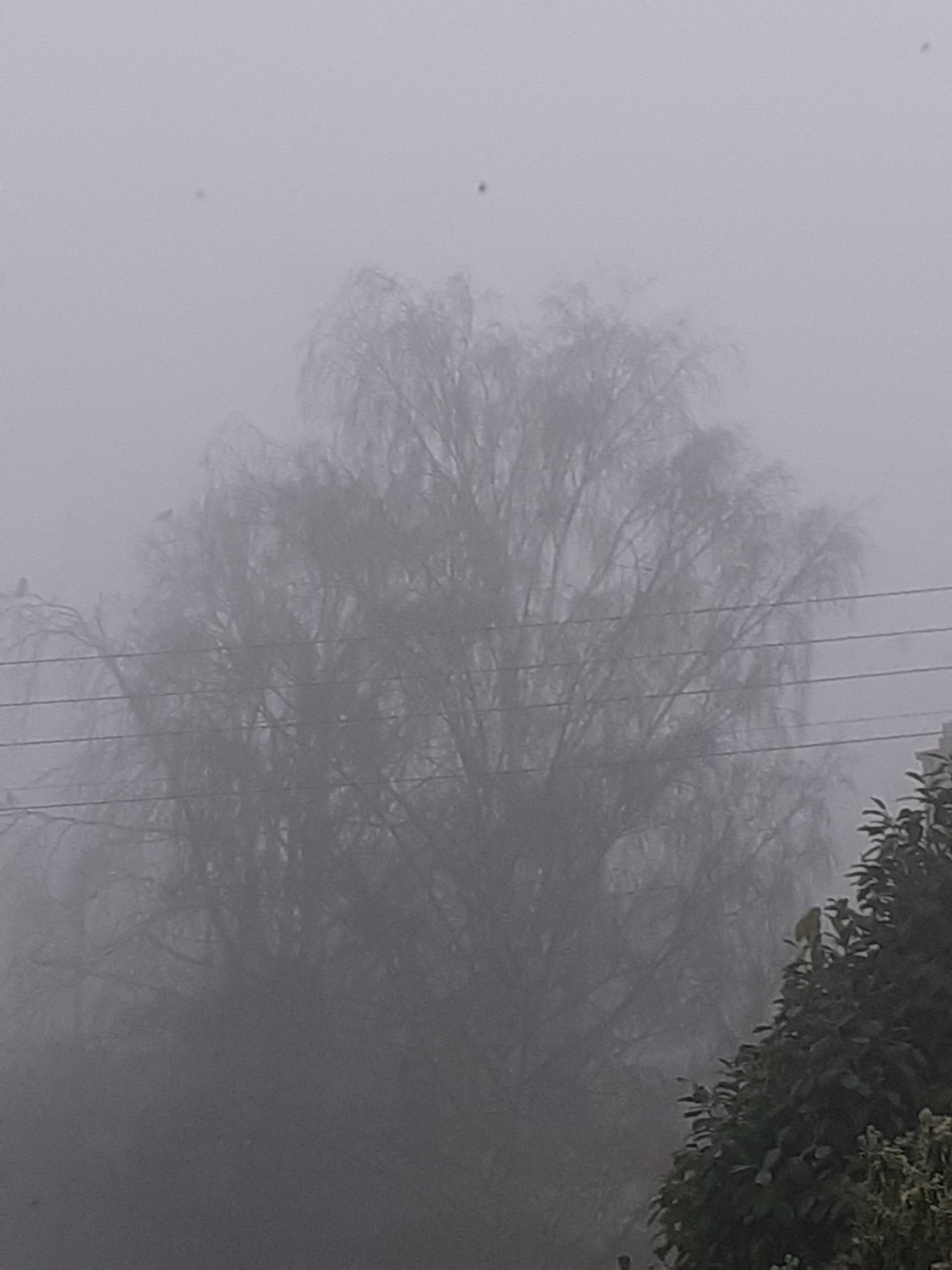
The fog has gone now, for the time being. But its memory still clings to me. I can acknowledge its beauty as seen through the window of a warm room. But I would rather not be out there, tasting the fog, breathing it, trying to find my way in a clammy kind of cold. To go out, I wait for another day, with clear light and the effects, however subtle, of the winter sun. What a difference a day makes.

Part of my Druidry is about cultivating dimensions of experience ignored or unvalued in mainstream culture. Practice keeps my connection to them open. Tibetan Buddhists are sky watchers and have the saying; ‘you are the sky; everything else is weather’. This recognition does not erase the fluctuations in our weather, without and within, or our response to them. It does point to a capacity to hold them within a hidden dimension of clarity and stillness.

In the opening days of 2021, I have been taking in the likelihood of another collectively hard year, perhaps harder than 2020 in a different way. Last year I was more hopeful about this year than I am now. I don’t find this easy and I don’t ask myself to. What I can do is find a home in this seemingly unboundaried and seemingly timeless dimension, here called ‘the sky’, without abandoning the day-to-day.

I am the sky, and I hold the weather – fog and sunlight alike.

Earth Eclectic

music that celebrates Earth and speaks to the heart

Sarah Fuhro Star-Flower Alchemy

Follow the Moon's Cycle

Muddy Feet

Meeting nature on nature's terms

Rosher.Net

A little bit of Mark Rosher in South Gloucestershire, England

Becoming Part of the Land

A monastic polytheist's and animist’s journal

selkiewife

Selkie Writing…

Charlotte Rodgers

Images and words set against a backdrop of outsider art.

Prof Jem Bendell

living with metacrisis and collapse

Towint

The pagan path. The Old Ways In New Times

The Druids Garden

Spiritual journeys in tending the living earth, permaculture, and nature-inspired arts

The Blog of Baphomet

a magickal dialogue between nature and culture

This Simple Life

The gentle art of living with less

Musings of a Scottish Hearth Druid and Heathen

Thoughts about living, loving and worshiping as an autistic Hearth Druid and Heathen. One woman's journey.

Wheel of the Year Blog

An place to read and share stories about the celtic seasonal festivals

Walking the Druid Path

Just another WordPress.com site

anima monday

Exploring our connection to the wider world

Grounded Space Focusing

Become more grounded and spacious with yourself and others, through your own body’s wisdom

The Earthbound Report

Good lives on our one planet

Hopeless Vendetta

News for the residents of Hopeless, Maine