Contemplative Inquiry

This blog is about contemplative inquiry

Tag: Contemplative Druidry

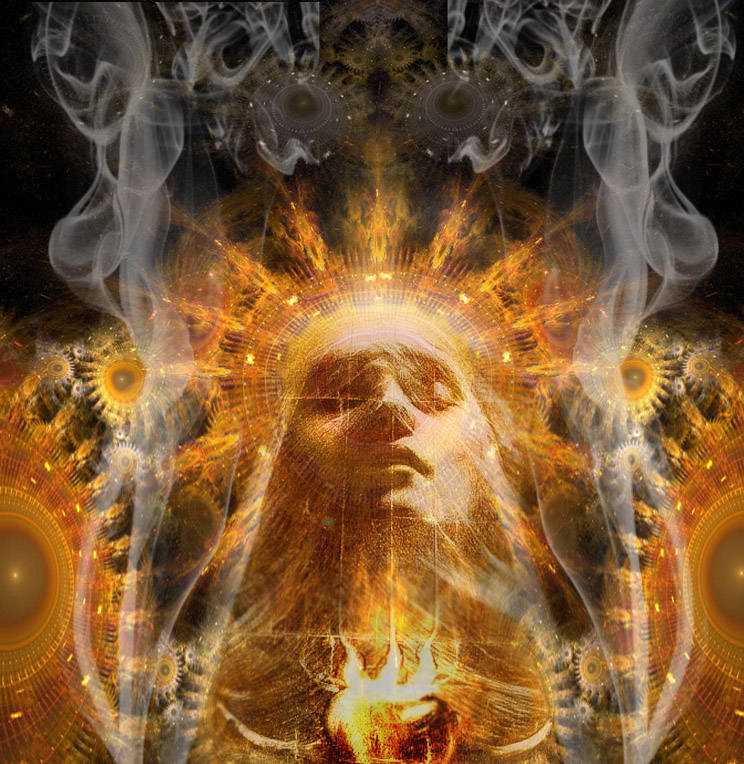
HERTHA AS EARTH MOTHER AND COSMIC GODDESS

Hertha (Nerthus, Erth) was a Germanic Goddess of the Earth, associated with fertility, domestic animals and nature. She was believed to live in an island grove, whilst also touring the land in a cow drawn chariot to bring peace and joy to those who celebrated her. Our ancient information is derived from the Roman author Tacitus, in his Germania (1). Current accounts also link her to themes of rebirth, kinship, health, longevity and tradition. It is said that she can descend through the smoke of any fire to bring gifts. See: https://journeyingtothegoddess.wordpress.com/2012/12/25/goddess-hertha/

Algernon Charles Swinburne’s Victorian poetry is mentioned in two of Ronald Hutton’s Divinity lectures at Gresham College (2,3). In particular he describes the poem Hertha (3) as an important example of Pagan currents in Victorian British culture. Although widely seen then and (for some people) since as transgressive, Swinburne’s voice is confident and strong – as I hope these extracts show:

“I am that which began:

Out of me the years roll;

Out of me God and man;

I am equal and whole;

God changes, and man, and the form of them bodily;

I am the soul.

“Before ever land was,

Before ever the sea,

Or soft hair of the grass,

Or fair limbs of the tree,

Or the flesh-coloured fruit of my branches, I was, and thy soul was in me.

“First life on my sources

First drifted and swam;

Out of me are the forces

That save it or damn;

Out of me man and woman, and wild beast and bird; before God was, I am.”

As I read these verses, Swinburne’s Hertha is cosmic as well as local, universal as well as tribal. Swinburne clearly values Hertha’s specific name and lineage and he identifies Hertha with the World Tree in some verses. But he does not simply revive the old North European traditions. His Paganism models a new culture for a new time.

Although another 150 years have passed since Swinburne wrote this poem, I find it directly relatable. For me, it contains one of the most powerful affirmations of Panentheist Paganism I have heard: “I am the mouth that is kissed and the breath in the kiss, the search, and the sought, and the seeker, the soul and the body that is”. What better time than Beltane to celebrate Hertha and the 19th century seeding of Modern Paganism.

(1) Tacitus Agricola and Germania London: Penguin, 2009 (rev ed)

(2) The Modern Goddess and Where did Modern Paganism start? https://www.gresham.ac.uk/watch-now/

(3) Algernon Charles Swinburne Complete Poetical Works Delphi Classics, 2013 (Kindle edition)

TOWARDS BELTANE 2025: BLUE SKY HEALING

Thursday 24 April was a landmark afternoon for my wife Elaine and me. We were able to walk, sit and have coffee in Gloucester Docks. Such ordinary and taken for granted pleasures – until April last year, when Elaine broke her hip. Later, as her bones slowly recovered, her underlying heart problems were triggered at the turn of the year, setting back her overall recovery. 

We are in a different place now. Elaine’s physical recovery, and her recovery of agency, are creating a new reality. The picture above is generally tranquil, yet includes the energy of a seagull in flight. The sun is getting warmer. We can relax a little, and celebrate, enjoying the promise of a new season, in the run-up to Beltane 2025.

Now, contemplating the image of a still boat against the background of Alney Island in its spring abundance, I feel grateful for the moment and grateful for our lives.

BOOK REVIEW: THE 15-MINUTE CITY

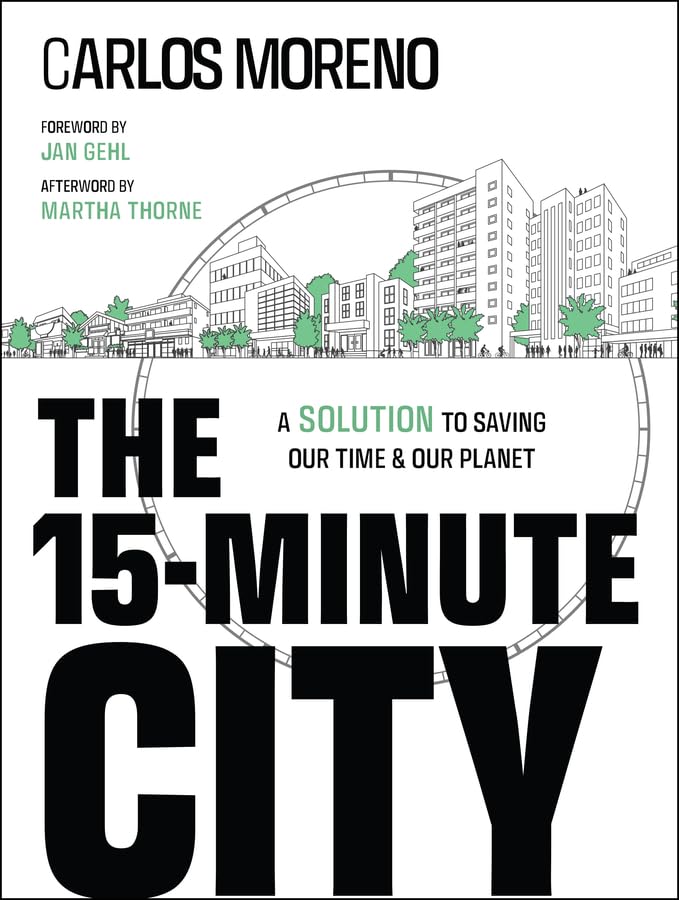
The 15-Minute City: A Solution for Saving Our Time and Our Planet (1) advocates that everyday destinations like schools, stores, and offices should only be a short walk or bike ride away from home. The intention is to make cars far less necessary for contemporary city-dwellers, and thereby “to reinvent our life-styles and rethink our relationship with space and time”. Its key values are proximity, interconnectedness and fulfilment.

This book is about how cities are run, who they are predominantly run for, and how they could be run more inclusively. It provides an inspiring store of information for people concerned with these issues, not least urban Druids. It has 21 chapters:

Chapter 1 is a call to action, emphasising “the urgency of reimagining urban ecosystems in the light of contemporary challenges”.

Chapters 2 to 4 discuss the ‘fragmentation’ of cities over time, especially due to city roads and zoning.

Chapter 5 is about learning lessons for “a more inclusive urban future”.

Chapters 6 & 7 look at changes beginning with the 1973 oil crisis and moving on to the “challenges and realisations of 2020”.

Chapters 8 to 11 focus on Paris, where the ’15-Minute City’ was invented.

Chapters 12 to 19 cover particular locations and their complex histories: Milan, Italy: Portland, Oregon, USA; Cleveland, Ohio, USA; Buenos Aires, Argentina; Sousse, Tunisia; Melbourne, Australia; Busan, South Korea.

Chapter 20 looks at the notion of the 20-Minute Territory as applied in Scotland and on the Ile de France.

Chapters 21 discusses the role of new technologies and summarises the book.

By 2050, 68% of the human population will be urban. Changes are needed in the ways that urban ecosystems work for people’s health and wellbeing, now more than ever because of the climate crisis. Author Carlos Moreno writes, “urban life is the heart of the problem, but it is also the solution if we enable it to be. Never in the history of humanity has survival been so compromised by lifestyle”.

Moreno also believes: “our journey through these cities is also an exploration of ourselves. By offering an urban setting that is conducive to conviviality and proximity, we can rediscover the value of mutual cooperation and sharing. We are nourished by authentic interaction and the solidarity of a reinvented urban life “

It may be that it is now too late to save the kind of civilisation in which  we are living. From a seemingly uninvolved and above-the-battle standpoint we may even see advantages in its fall. But I have come to think that it is better to work from the opposite point of view – that there is something worth working for, despite the apparent odds. The work itself can be a spiritual discipline, taken on for its own sake. Carlos Moreno offers us one neighbourly way of addressing our apparent spiral into a dystopian world.

(1) Carlos Moreno The 15-Minute City: A Solution to Saving Our Time and Our Planet Wiley, 2024. Foreword by Jan Gehl. Afterword by Martha Thorne.

A NEW LENS

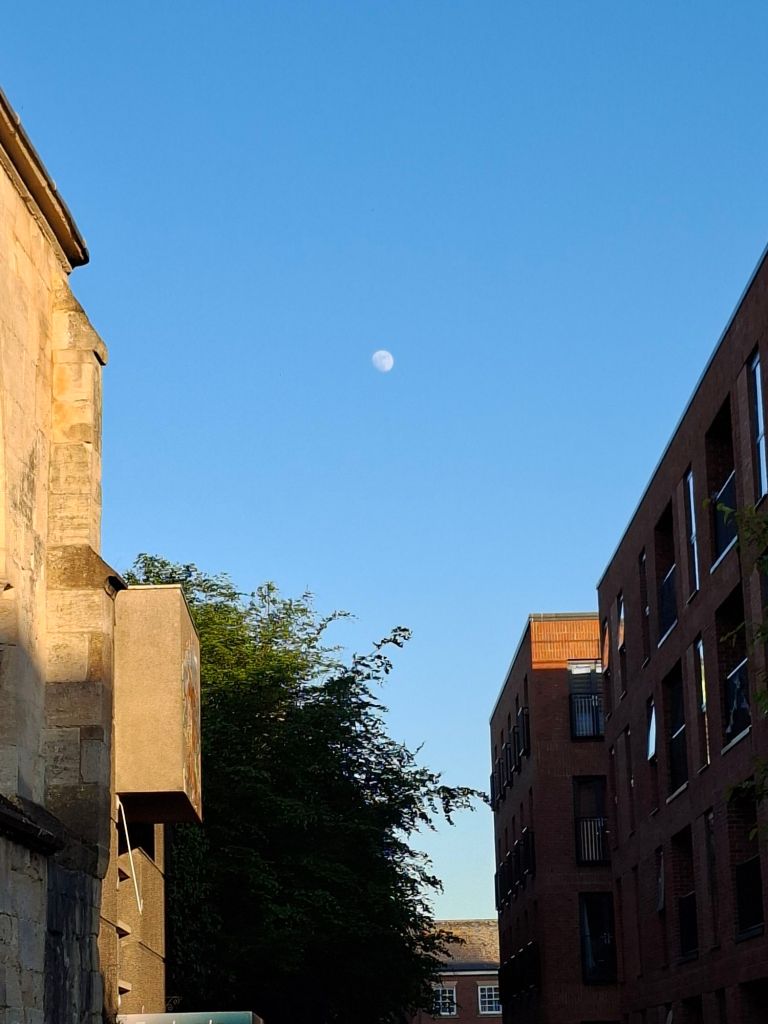
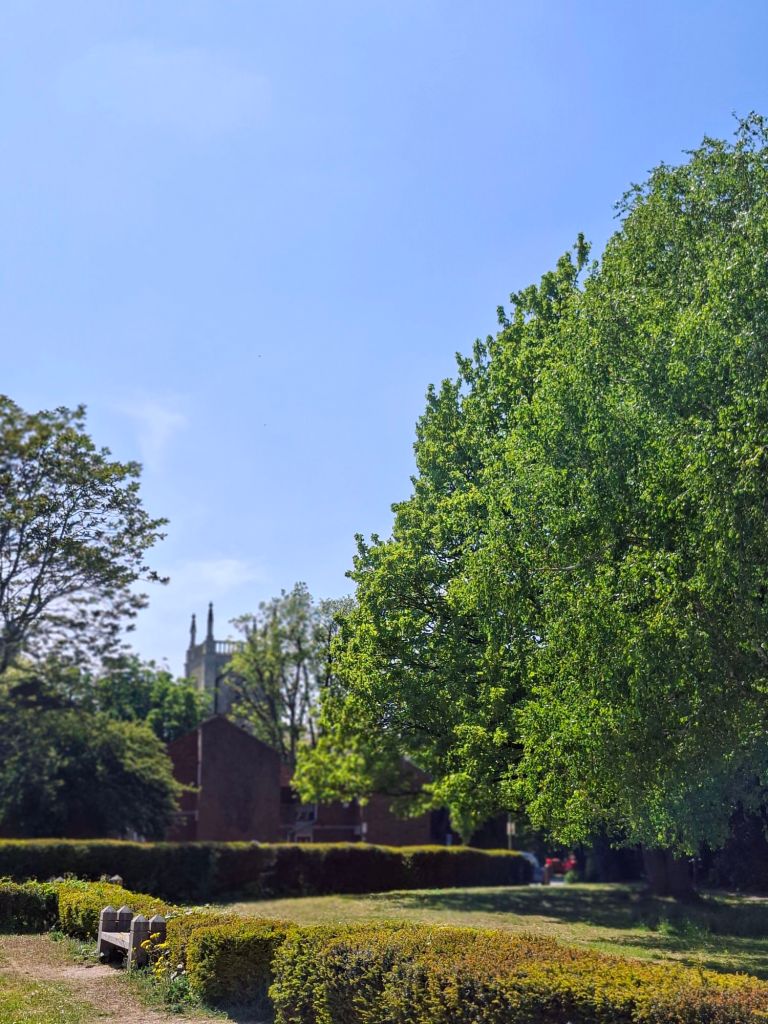
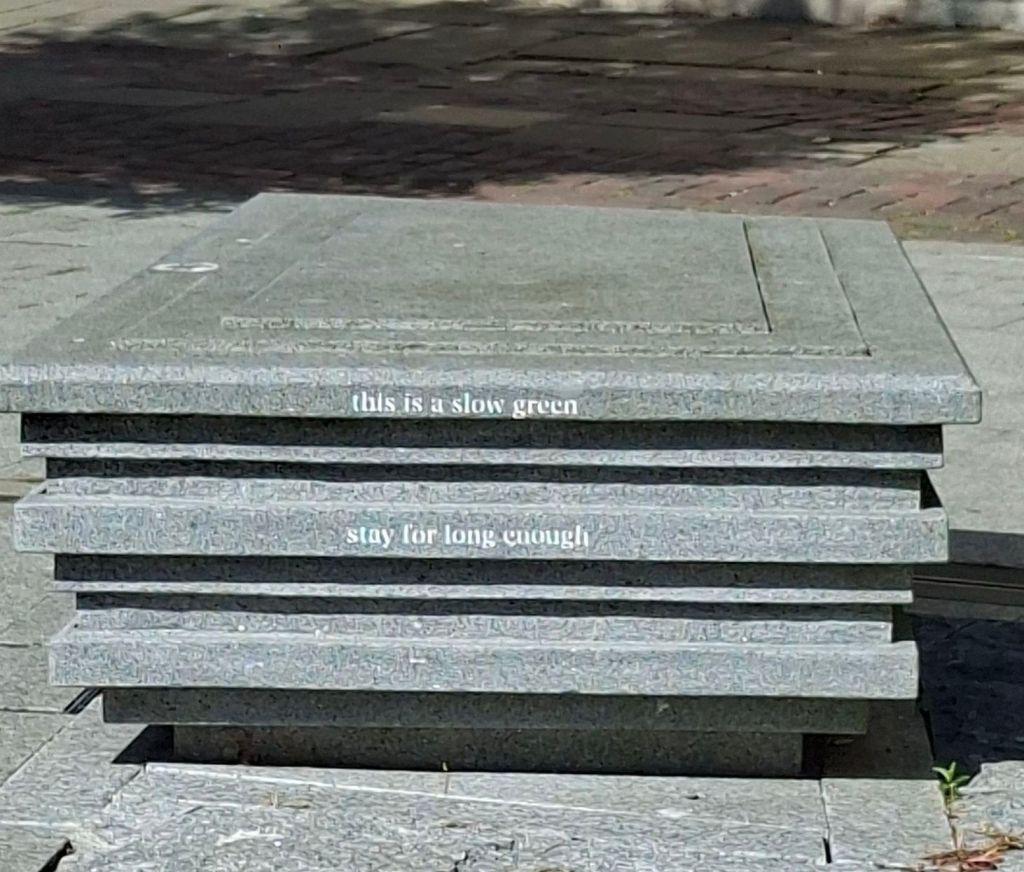
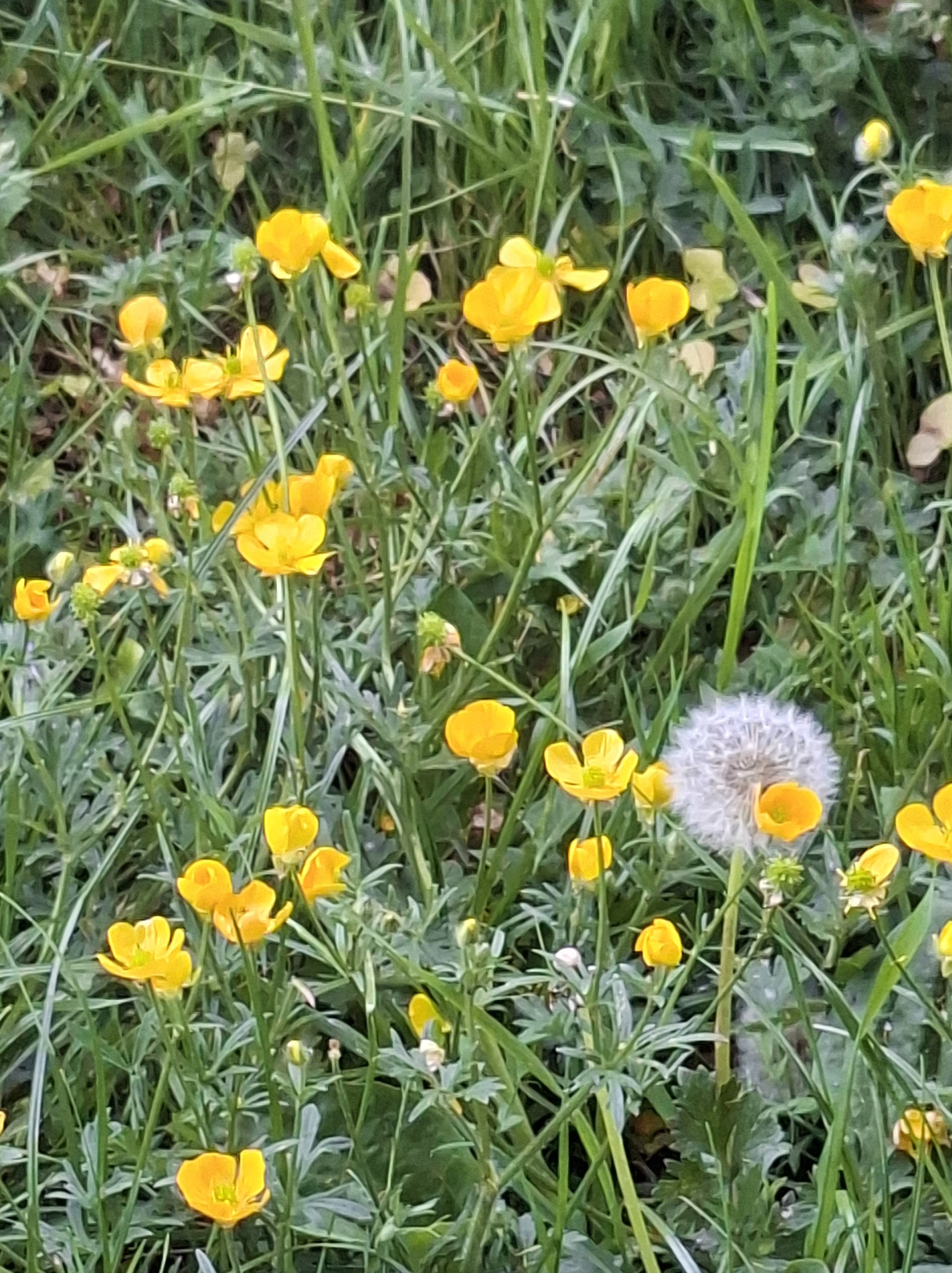
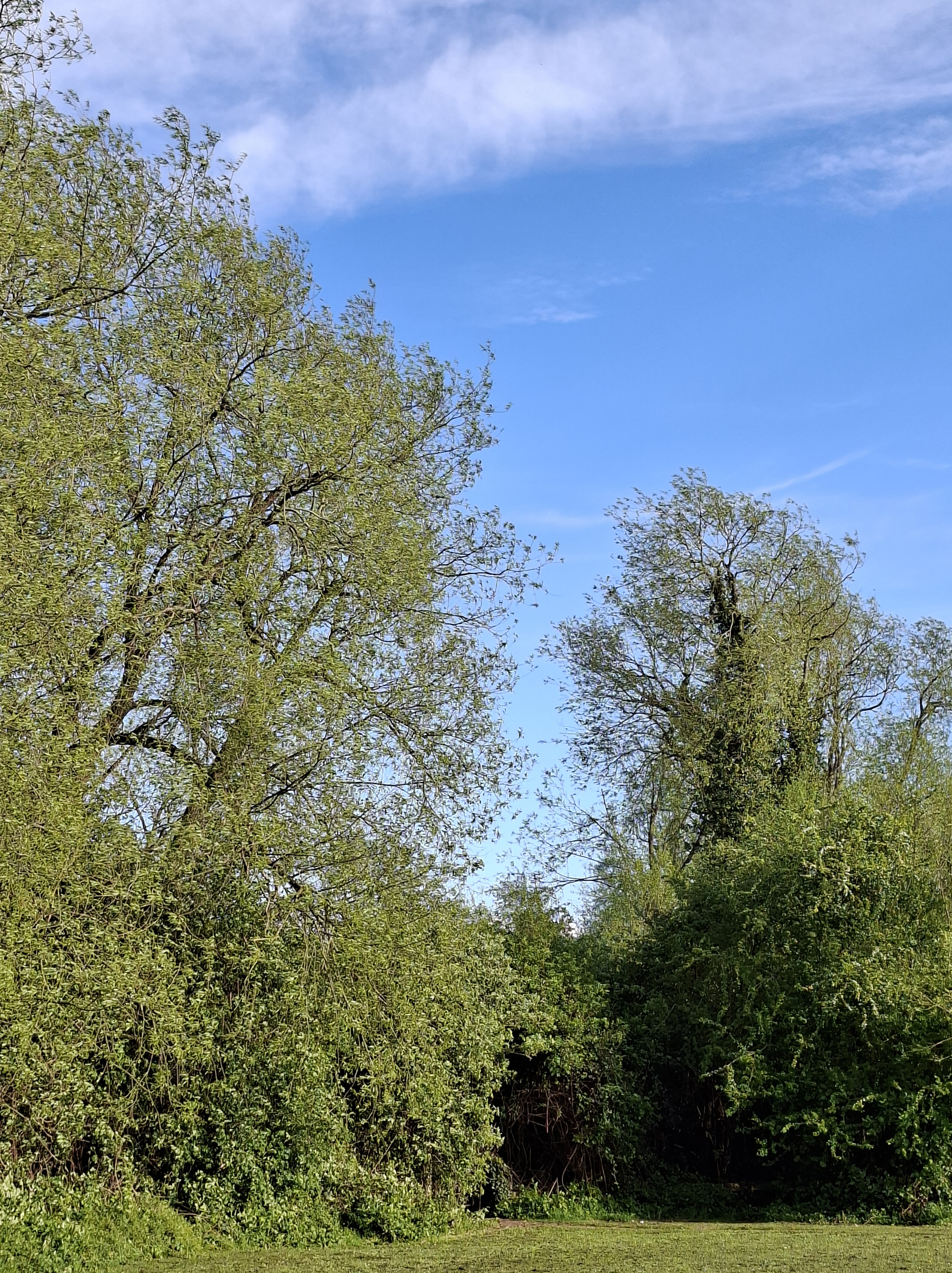
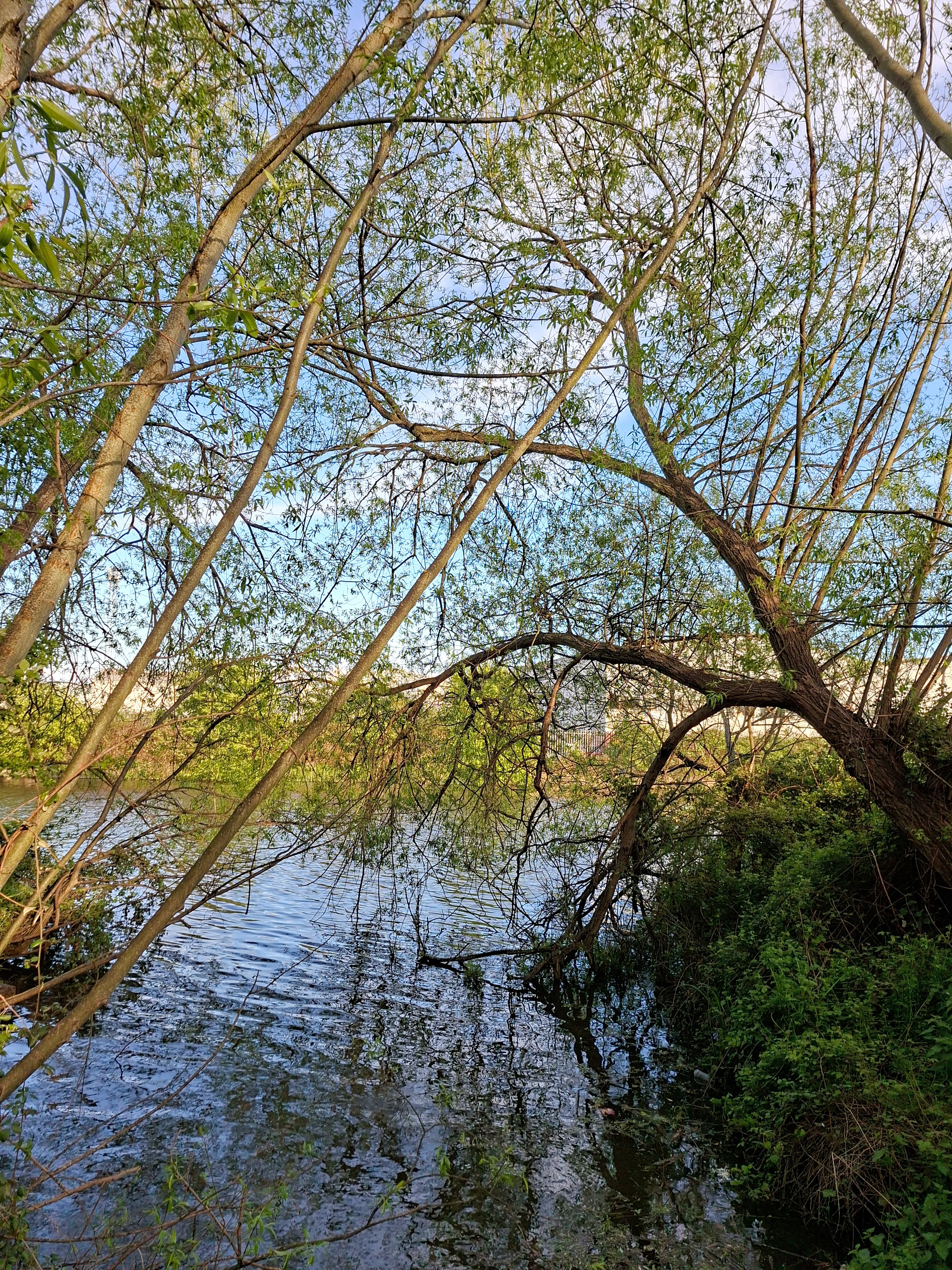
Yesterday I bought a new phone. I find this process stressful and have been putting it off for a long time. But now I have the phone, I can celebrate a new camera. These pictures were taken between 5.30 and 7 pm yesterday evening, when the sun didn’t set until after 8.

My celebration of the camera, here, was also a celebration of clear light and a more abundant greening. The spaces are familiar, but their specific manifestation and my specific experience were, as always, new. My feelings were those of simple gratitude, pleasure and appreciation.

Above, I enjoyed the varied colours and forms of leaves, and the effects of sunlight on them. Below, I noticed the abundance of leaves and catkins on a birch tree.

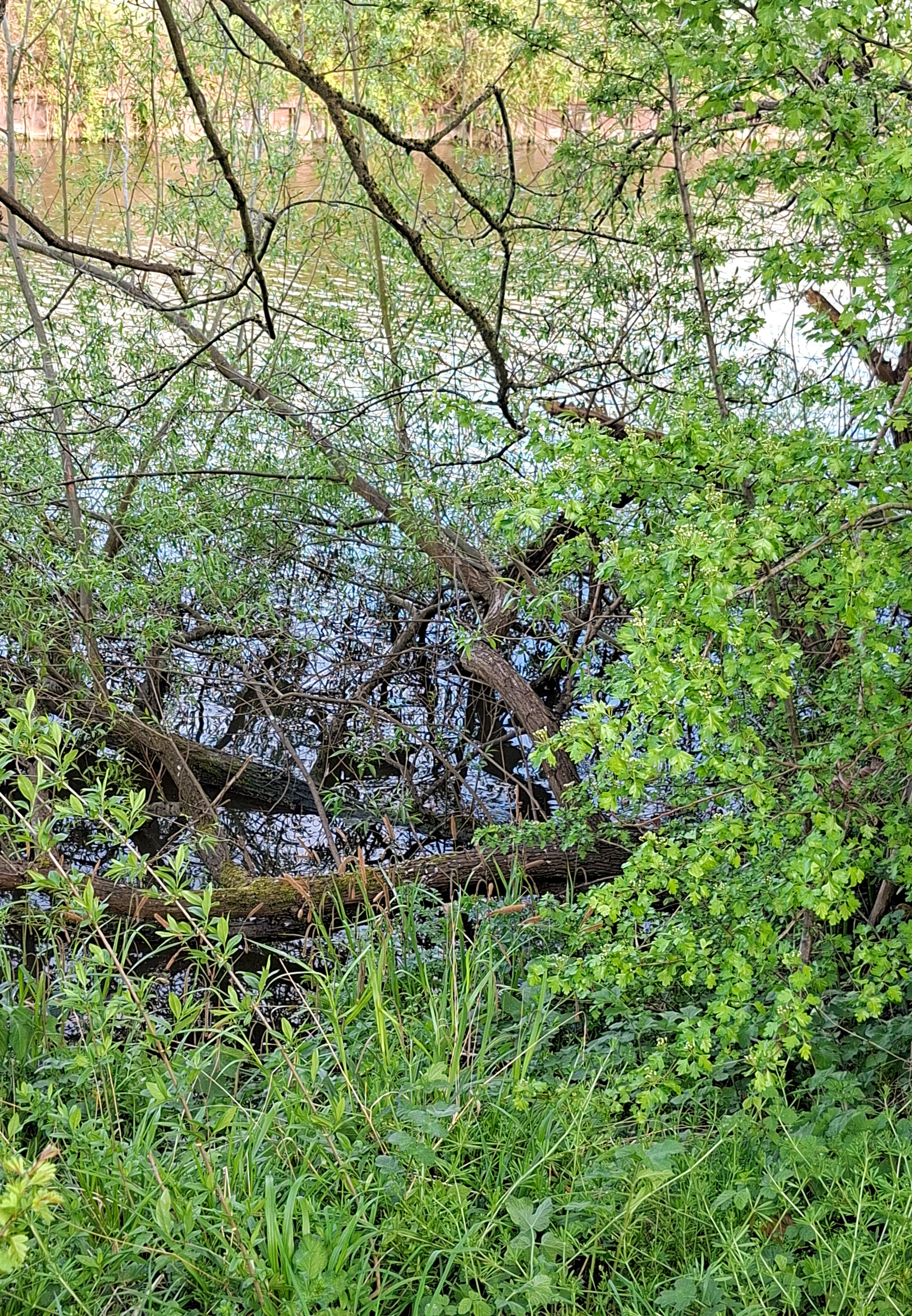
Towards the water margin, I saw tangled green fecundity on the ground, and the freshness of full rich spring, at the same time utterly magical and yet so familiar, so taken-for-granted that it is easily passed without noticing.

Still closer to the water, and looking out over it, is another familiar scene, this time with contrasts of light and shade and emphasising the energy of rippling water.

Finally, big sky and the power of blue. I was especially drawn to the apparent division of the water. It looks like a tidal effect in the canal, but I am not sure of the cause. Within my contemplation, I am happy with the mystery.

MODERN DRUIDS (RONALD HUTTON) 1 ANCIENT INSPIRATION?

Modern Druids is Ronald Hutton’s most recent public lecture (2 April 2025) in his role of Professor of Divinity at Gresham College, London. I provide a link below (1). This is the first of two posts about the lecture, summarising Hutton’s take on early modern perceptions of ancient Druidry. The lecture goes on to describe the Modern Druid movements that have come out of an already existing inspiration. That will be the focus of my next post.  

Most of what we have believed ourselves to know about the ancient Druids is derived from comments by a limited number of Roman authors. The most prominent of these are Julius Caesar, Tacitus and Pliny. According to Hutton, recent scholarship has tended to undermine the reliability of these sources. Both Caesar and Tacitus are known to have invented material for their histories. Pliny wrote after the Druids in both Britain and Gaul (= much of modern France, parts of the Netherlands and the Rhineland) had been repressed. Nonetheless, what these authors said has strongly influenced later beliefs about Druids. Fascination with Druids, as custodians of lost ancient knowledge, has been  a feature of Northwestern European culture from the sixteenth century onwards.

Over this period, Hutton identifies eight distinct ways of imagining Druids and Druidry. The first four are visions  of the Celtic Druid past. In his analysis Hutton names them as Nationalist, Green, Demonic and Confessional. They are all projections onto the past from somewhat different groups of people, which also speak to contemporary British concerns of the seventeenth, eighteenth and nineteenth centuries. I describe these four ways below. (I will cover the remaining four ways, concerned with Modern Druid movements, in my next post.)

  1. Nationalist Druids (favourable) They are understood as patriotic, as defenders of the nation, representatives of piety and wisdom, and a link to tradition and the past. However, in a UK context, or even within the island of Britain, there are questions about what the nation is and whose traditions are being celebrated. By the end of the eighteenth century, a time when most Welsh people still spoke the Welsh language, Wales was the nation that most strongly identified with Druid heritage. A key figure in this was Iolo Morganwg, who I have written about in other posts (2,3).
  2. Green Druids (favourable) Druids are associated with woods, caves and natural spaces. They are therefore an antidote to industry, urbanisation, modernity and forms of ‘civilisation’ about which many people had strong misgivings. (My own observation is that this early modern image of ancient Druidry, in its late modern deep ecology form, is the most influential current in 21st century Druidry – JN)
  3. Demonic Druids (unfavourable) The ancient Druids were said to be a despotic heathen priesthood who practiced human sacrifice and ruled through fear, ignorance and superstition. The Romans did the Celts a service by breaking their power. This account appealed to imperialists and evangelical Christians whilst also being a gift to Gothic fiction.
  4. Confessional Druids (favourable): The story here is that, sometime between the days of Noah and Abraham, wise men, inspired by God, set forth from Palestine to Britain to teach a pure religion. These were the original Druids. British Christianity was therefore, in a sense, both native and ancient. William Stukeley (1687-1765) Druid enthusiast, Church of England priest, and the first scientific archaeologist, held this view.

I am grateful to Ronald Hutton for his analysis. By understanding the cultural soil out of which modern Druid movements, beginning as least as far back as 1781, emerged, he helps to explain why some people over the last 250 years have chosen to claim the name for ourselves. More about that in my next post (4).

(1) https://www.gresham.ac.uk/watch-now/modern-druids

(2) https://contemplativeinquiry.blog/2021/09/07

(3) https://contemplativeinquiry.blog/2020/05/11

(4) https://contemplativeinquiry.blog/2025/04/11

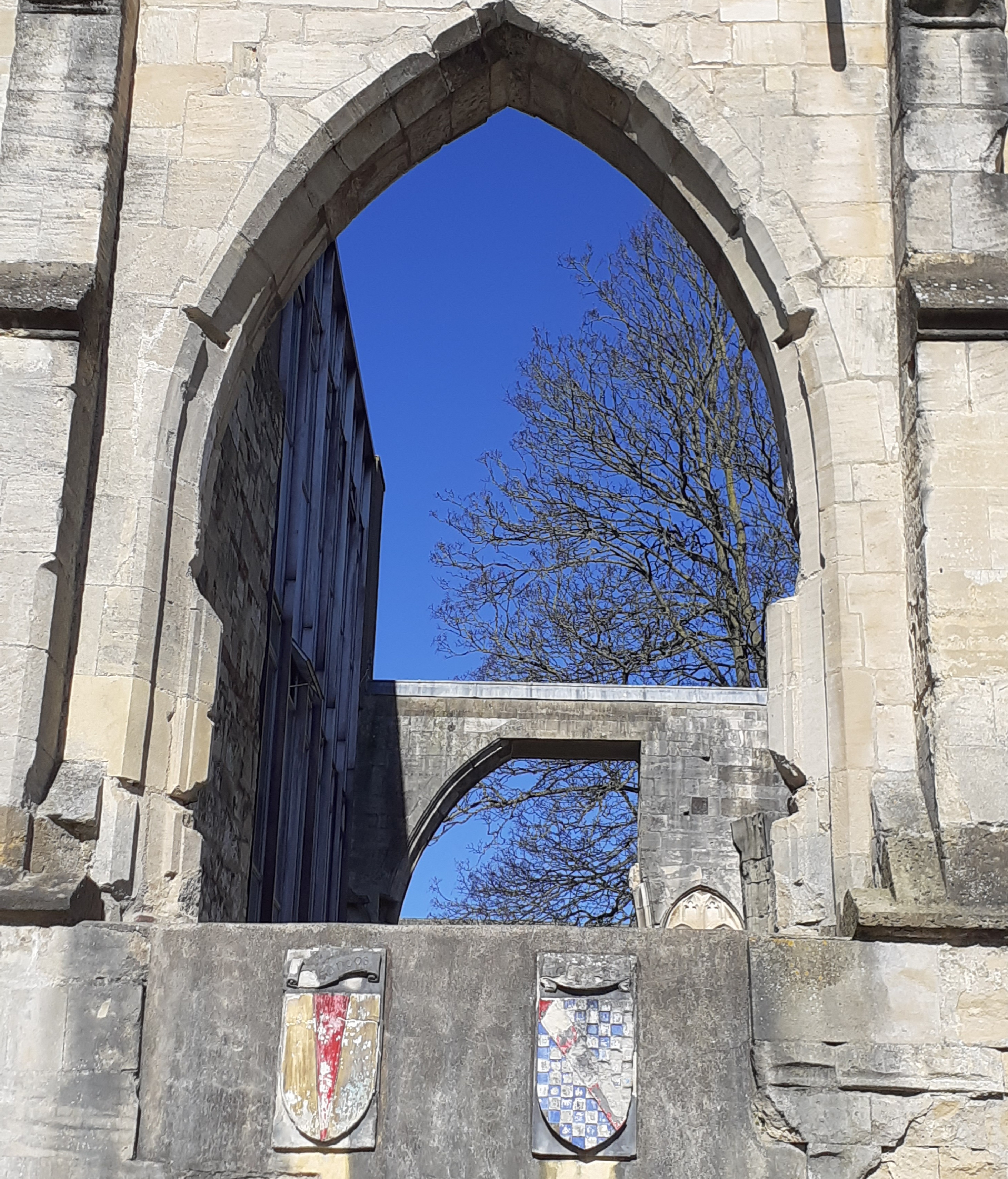
GREYFRIARS PRIORY HAIKU

within the Priory ruins

this weathered arch

frames a living sky.

Note: The priory is the Greyfriars Priory, Gloucester, England

CONTEMPLATIVE DIARY?

Recently I have wondered whether to change the name of this blog from Contemplative Inquiry to Contemplative Diary. I won’t, because the inquiry focus has been very strong over the years. It is ancestral to the diary approach and a deep influence upon it. Some of the older inquiry posts continue to be read. The most popular is A Parable About a Parable first published in July 2018 – https://contemplativeinquiry.blog/2018/07/31/.

But most of my current posts are not like that. They tend to be more informal, more embedded in daily life, more obviously situated in time, place and everyday personal experience. My most recent post, Spring Forward https://contemplativeinquiry.blog/2025/03/31/ – is a case in point.

This shift in emphasis developed in the years of the Covid pandemic and is characterised by living the Wheel of the Year day-by-day (rather than festival by festival) in a specific location. I use my own photographs much more than in the early days of the blog. For me, these changes fit with a name like Contemplative Diary.

Yet the diary approach is itself a fruit of inquiry. It has emerged as I become relatively less concerned with fundamental questions. They are now settled for me as far as they can be in this life. My current work comes out of an individual life practice grounded in modern Druidry, with a firm ethical basis and a light touch in formal ritual and meditation. All of these are illuminated by the sense of a divine presence from which the world, including me, is not separate.

Contemplation and inquiry are still at the heart of my work, in simpler and more relaxed forms than was right for the early years. The diary approach marks an emerging phase of my contemplative inquiry, rather than a break with it. Where it will take me going forward, I cannot yet say.

SPRING FORWARD

I’m on my first canal walk in a while. The picture above shows a small inlet into the bankside woods. It is Sunday 30 March, the first day of British Summer Time. I am encountering a long sunlit evening and feeling energised by the experience. I am drawing power from the clarity and strength of the light.

Sunset will be around 7.30 pm. The pictures above and below were taken a little before 6. I am glad to see blackthorn, a wood said to be used for wizard’s staffs, proclaiming the magic of spring.

A little later, I  focus my attention on a  vivid yet tranquil blue sky, presiding over the canal scene below. I have the same powerful sense of of clarity and strength in the light, and of drawing energy from it.

Later on, at about 6.45 pm, I find a softer, gentler quality of light as I walk homewards through the woods. Looking down, I see it on my path.

Looking up, I see soft light on slender branches and the foliage below them. It feels like celebration.

My final image is of sunlight reflected in Gloucester Docks, both on a warehouse window and on the water. The sun is low now and beginning to set. Rather than pointing at it, as it descends, I point  away from it to honour and record its power in another way. This marks the completion of a rejuvenating and regenerative spring forward walk.

SPRING EQUINOX 2025

Blessings of the season! The picture above was taken at 6.46 am, a little over half an hour after sunrise here in Gloucester. It is 20 March, the day of the Spring Equinox, which will be at 9.01 am this year. It is traditionally a time of celebration, a point of balance as we move into the light half of the year and the promise it brings. After a tough, and largely housebound year, I dare to hope that Elaine and I will be able to widen our horizons as her healing continues.

THE MYTH OF THE JOURNEY AND THE MYTH OF THE NOW

I use the word ‘myth’ in a positive sense. Myth is a gift of imagination. It is a way of seeing beyond the limiting horizons of everyday life and culture. We can intuit a fuller, more spacious and generous reality, a reality with multiple dimensions. The specific myth of the journey, or quest, has had a powerful role in human history at both the personal and collective levels.

The picture above is the Fool, or innocent, as depicted the The Druidcraft Tarot (1). Trusting their inner knowing, the Fool steps over a cliff. It is a spring dawn, and a new beginning. The major Arcana are a map of the journey, which in essence, here, is seen as a refinement of the soul to the point where union with the divine is a lived experience. This experience is available here, in the world, and so the card indicating the completion of the journey (see picture below) is here called The World.

The mythology of the deck draws on the Welsh Celtic story of Taliesin and Ceridwen as well as the pan-European Arthurian grail quest, and broader Western Mysteries understandings derived from the Hermetic Order of the Golden Dawn. But any individual journey is its own new beginning and its fruits depend of making the journey in real time, and not clinging too tightly to traditional understandings.

In my own spiritual life, I have drawn both on the myth of the journey and another, apparently contradictory myth – that of the eternal moment, the transfigured here-and-now. Again, I find no disparagement in the word myth. This says that non-separation from the divine is a given. There is nowhere to go and nothing to do. Ultimately, there is no ontological difference in being awake to this reality than in being asleep to it. Yet lived experience is transformed by being awake to this reality and living from the awareness.

From a human perspective, coming to this awareness and then living it are, experientially, a journey in themselves. Another way of looking at it would be to say that I am the Fool and the Universe (my preferred term for the final card) at the same time, every day. In this way, I reconcile the myth of the journey with the myth of the now, and draw strength from both.

(1) Philip & Stephanie Carr-Gomm The Druidcraft Tarot: Using the Magic and Wicca and Druidry to Guide Your Life London, UK: Connections, 2004 (Illustrations by Will Worthington)

Earth Eclectic

music that celebrates Earth and speaks to the heart

Sarah Fuhro Star-Flower Alchemy

Follow the Moon's Cycle

Muddy Feet

Meeting nature on nature's terms

Rosher.Net

A little bit of Mark Rosher in South Gloucestershire, England

Becoming Part of the Land

A monastic polytheist's and animist’s journal

selkiewife

Selkie Writing…

Charlotte Rodgers

Images and words set against a backdrop of outsider art.

Prof Jem Bendell

living with metacrisis and collapse

Towint

The pagan path. The Old Ways In New Times

The Druids Garden

Spiritual journeys in tending the living earth, permaculture, and nature-inspired arts

The Blog of Baphomet

a magickal dialogue between nature and culture

This Simple Life

The gentle art of living with less

Musings of a Scottish Hearth Druid and Heathen

Thoughts about living, loving and worshiping as an autistic Hearth Druid and Heathen. One woman's journey.

Wheel of the Year Blog

An place to read and share stories about the celtic seasonal festivals

Walking the Druid Path

Just another WordPress.com site

anima monday

Exploring our connection to the wider world

Grounded Space Focusing

Become more grounded and spacious with yourself and others, through your own body’s wisdom

The Earthbound Report

Good lives on our one planet

Hopeless Vendetta

News for the residents of Hopeless, Maine