Contemplative Inquiry

This blog is about contemplative inquiry

Tag: Contemplative Druidry

THE ALBION SAILS ON COURSE (NOVEMBER 2016)
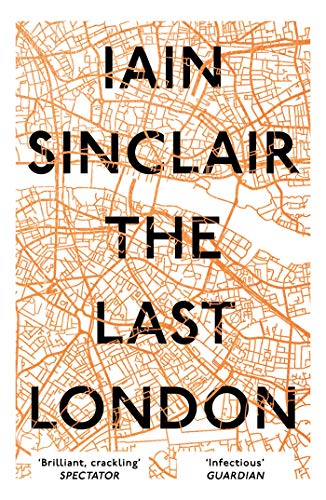
“The Albion sails on course. Black script on white wall. The spill-zone around Corbridge Crescent, the painted devil heads and hybrid monsters, the bare-breasted pin-ups from naughtier times mouthing Situationist slogans, are captured and made fit for purpose by film crews and television set-dressers, lighting technicians and catering caravans, responding to dissent as exploitable edge.

“LOADED WITH/ MEMORIES/ I WAS NOT AFRAID/TO SET OFF/ AN ADVENTURE/ ANY MORE.

“14 November 2016: the words I copied into my notebook yesterday are painted over with white undercoat, so that professionals can create rebellion suitable for television. For example, a Worholist head of Che Guevara – CHE GAY – inflated to cover an entire wall, with fake yelps about eating the rich to replace the groundwork of RIP and the Secret Society of Super Villains and Artists. NO PIGS ….

“The outlaw in his shack on the ledge by the canal sleeps through the entire fuss. He learnt his lesson after the first Immigration Enforcement raid. Now his shelter looks like the detritus of a lumberyard. ….

“A young boy cycles uncertainly to school, in the wake of his mother, wearing a silver skull mask. Welcome to the comic world, Hackney. At the base of the image swamp we find the sinister clown: child-catcher, grinning molester. The public joke, the big-haired politician who dissolves into the Joker of DC Comics.

“Extinguish fire with petrol. One of the latest Andrews Road defacements is a poster: SILENT BILL MUSE WANTED. Silence against the noise of imagery? The meditation of a hooded man sitting all day on a bench? Or another who dreams the fading city through all the hours in an Arsenal-branded sleeping bag? ‘Be silent in that solitude,’ said Edgar Allan Poe. ‘Let them come. The restless spirits of the dead are in death around thee’.” (1)

Iain Sinclair has a reputation as a leading figure in the practice of psychogeography, though he has now somewhat distanced himself from the word itself. He is quoted as saying (2) that “I buy into a union of writing and walking” and identifying with “the kind of writers who very definitely have, within their writing, this rhythm of journeys and walks and pilgrimages and quests”.

Sinclair’s work often celebrates London’s neglected and overlooked spaces, and draws on a visionary tradition of London writers from William Blake to Arthur Machen as well as the French situationists who developed psychogeography as a concept. His early reputation rests on the prose poem Lud Heat (1975) which was also influenced by Alfred Watkins and the earth mysteries school that followed in his wake. This work describes lines of force between Hawksmoor’s London churches to reveal the hidden relationship between the city’s financial, political and religious institutions. Peter Ackroyd drew on these themes for his later Hawksmoor (1985).

Last London (2017) is grittier and more concerned with a November 2016 witnessing of social breakdown in Hackney, a London borough that is being simultaneously gentrified. In the UK, it is also the year of the Brexit referendum (the Albion sails on course?) and in the US the month, November, of Donald Trump’s election as president (“at the base of the image swamp we find the sinister clown”).

Why am I drawn to this work? I lived in London for 17 years, from the late 1970s to the mid 1990s: there’s an element of nostalgia, and also of grief. Beyond that, my contemplative inquiry has led me in recent years to a practice of walking and writing. Are there lessons for me in Sinclair’s tradition?

My contemplative inquiry is not just about resting in the eternal moment – it also concerns life in place, time and culture. I’ve always liked walking meditation, mobile and open-eyed. Ideally, the still point and the moving line are both present, together as one. Often I stumble around between them, but that’s part of the journey: learning to be present in a field of living presence. I have a lot to learn.

(1) Iain Sinclair The Last London: True Fictions from an Unreal City London: OneWorld Publications, 2017

(2) Merlin Coverley Psychogeography Harpenden: Oldcastle Books Ltd, 2018 (first edition 2006) In his last chapter, Psychogeography Today, the author devotes a section to Iain Sinclair and the Re-branding of Psychogeography.
A CONTEMPLATIVE PERSPECTIVE ON WISDOM

For me, wisdom can take many forms. Below, Eckhardt Tolle emphasises contemplative process over cognitive product. I don’t treat this as an exclusive definition of the word wisdom. But I have certainly been nourished by taking Tolle’s understanding to heart and learning how to let the process unfold.

“Wisdom is not a product of thought. The deep knowing that is wisdom arises through the simple act of giving someone or something your full attention. Attention is primordial intelligence, consciousness itself. It dissolves the barriers created by conceptual thought, and with this comes the recognition that nothing exists in and by itself. It joins the perceiver and the perceived in a unifying field of awareness. It is the healer of separation.” (1)

(1) Eckhardt Tolle Stillness Speaks Vancouver, Canada: Namaste Publishing, 2003

ON THE CUSP OF SAMHAIN: A NEW MOON

You can just see it, above the buildings, at the last breath of sunset. A sliver of light over murky cloud, the slender crescent of a new moon has appeared. I took the picture just after 6.45 pm on 28 October, still inside British Summer Time. I chose this time on this day because it was not yet dark. The sky is making room for a variety of effects, not just the stark duality of darkness and light. I stand at the cusp of the year’s endarkenment, before the festival of Samhain.

At this time of this year, I find myself tuning in to the lunar cycle as much as the solar one. To me, now, it feels subtler and more nuanced. Anne Baring and Jules Cashford describe its significance in a way I find illuminating:

“The moon was an image in the sky that was always changing yet was always the same. What endured was the cycle, whose totality could never be seen at any one moment. All that was visible was the constant interplay between light and dark, in an ever-recurring sequence. Implicitly, however, the early people must have seen every part of the cycle from the perspective of the whole.

“The individual phases could not be named, nor the relations between them expressed, without assuming the presence of the whole cycle. The whole was invisible, an enduring and unchanging circle, yet it contained the visible phases. Symbolically, it was as if the visible ‘came from’ and ‘returned to’ the invisible – like being born and dying, and being born again.” (1)

When out walking, I noticed that Christmas lights had started to appear. The ones below, at Gloucester Quays, seemed suitable for a new moon. They shifted on and off in a flowing, liquid kind of way, at slightly different times. They did not dazzle or glare or demand my whole attention. They illuminated the space without dominating it. They did not claim that their light was all that mattered.

If I tune in the another cycle, the wheel of the day, I remember how much to thank the sun for. Barely half an hour before I took the pictures above, I experienced the very different colours of the two immediately below. In the first, there is the pink of sunset cloud and some draining of blue from the sky – but, still, a sense of vivid green in the grass. An autumn evening in what is still the light of day.

The second shows a tree-lined street, with full autumn colours, fittingly sundown colours, against a misty looking autumn sky.

It seems that I am saying farewell to one season whilst welcoming another, and that my evening walk on 28 October, partially shared with my wife Elaine, somehow enabled this. There is a starkness and wildness in my last image from that walk, below, which draws me in, despite the remarkable contrast with what has gone before. Just to notice, to fully experience, and make meaning of, the cycles of moon, sun, day, year and life itself gains importance for me year by year, as the wheel turns.

(1) Anne Baring Anne and Jules Cashford The Myth of the Goddess: Evolution of an Image London: Penguin, Arkana Books, 1993

BOOK REVIEW: UNLIKELY ALLIANCES

Highly recommended. Unlikely Alliances (1) is set in the years 2029-2033, in a fictional town on England’s south coast. It offers a degree of hope about the climate crisis, presenting a positive response to its challenges at the global, national and, especially, local levels. Towards the close of the book, one of the characters reflects on a benign economic austerity that includes social justice: “limited food in the shops, clothes and shoes having to last many years, trips abroad requiring special license … but look around us, are we really worse off?” The answer is a qualified no, on the grounds that everyday life has become less constrained and less stressful, thanks to the choices that have been made.

Unlikely Alliances offers a gentle, compassionate and good-humoured lens on a subject that can seem grim and edgy. The title refers to the changing political, professional and above all personal relationships of people working on adaptation goals in their Bourne Valley community. They are from a wide variety of backgrounds, including local government, academia, trade unions, churches, the voluntary sector, management consultancy, the hospitality industry, sports organisations and farming. Unexpected synergies are generated. The novel shows how its band of protagonists find themselves, each other and a new sense of purpose in this work. As fiction, the book has the space to be about lives as well as issues. New culture, adapted to new times, is created in the lived experience of friendship, romance and community building.

The Climate Action Plan of a progressive coalition government provides a political framework, drawing on ideas from the US 1930’s New Deal and the UK reconstruction post World War 2. It is in power because of a wake-up call resulting from a huge inundation in the Netherlands and the presence of a large number of Dutch refugees in Britain – a disaster too close to ignore. For the first time since the mid twentieth century, serious wealth taxes are in place. Food and fuel are rationed: everyone gets at least something at an affordable price. There are new approaches to housing. A Civilian Community Service Corps provides training and jobs for the unemployed and a two-years national community service for school and college leavers.

In crisis conditions, this government is broadly popular. Even so, it is vulnerable to defections within its own Parliamentary ranks, the vigorous opposition of vested interests and those who speak for them, and the violence of militant climate denialists on the street. These struggles are not minimised, and they are vividly portrayed in the book. But most of the focus is on resource and resiliency building at the local and regional levels, and on the changes in the lives of the main characters, as they open up to each other’s influence and affection. It is their efforts that prevail, since they come to make practical sense to more and more people.

A brief review cannot do full justice to a book that deals with a civilisation at the edge, presented from a stance of generosity and warm commitment to human flourishing. Tony Emerson has long experience of working with environmental issues and is also an accomplished storyteller. I found Unlikely Alliances heartening and enjoyable to read, and a well-informed glimpse into a possible near future.

(1) Tony Emerson Unlikely Alliances https://FeedARead.com 2021 – e-book created by White Magic Studios – http://www.whitemagicstudios.co.uk 1922. Available on Amazon (UK and USA).

FALLING: 2022

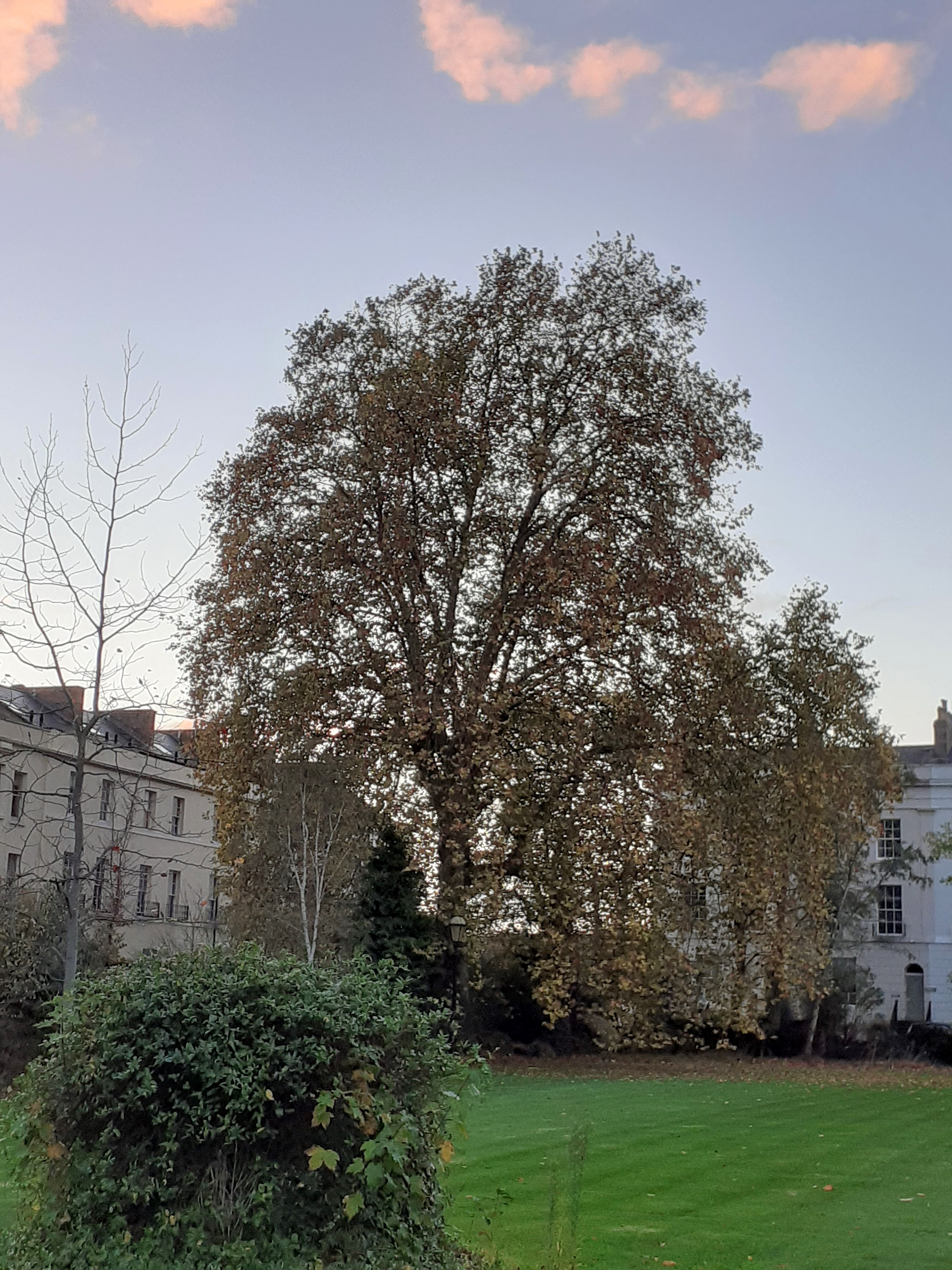
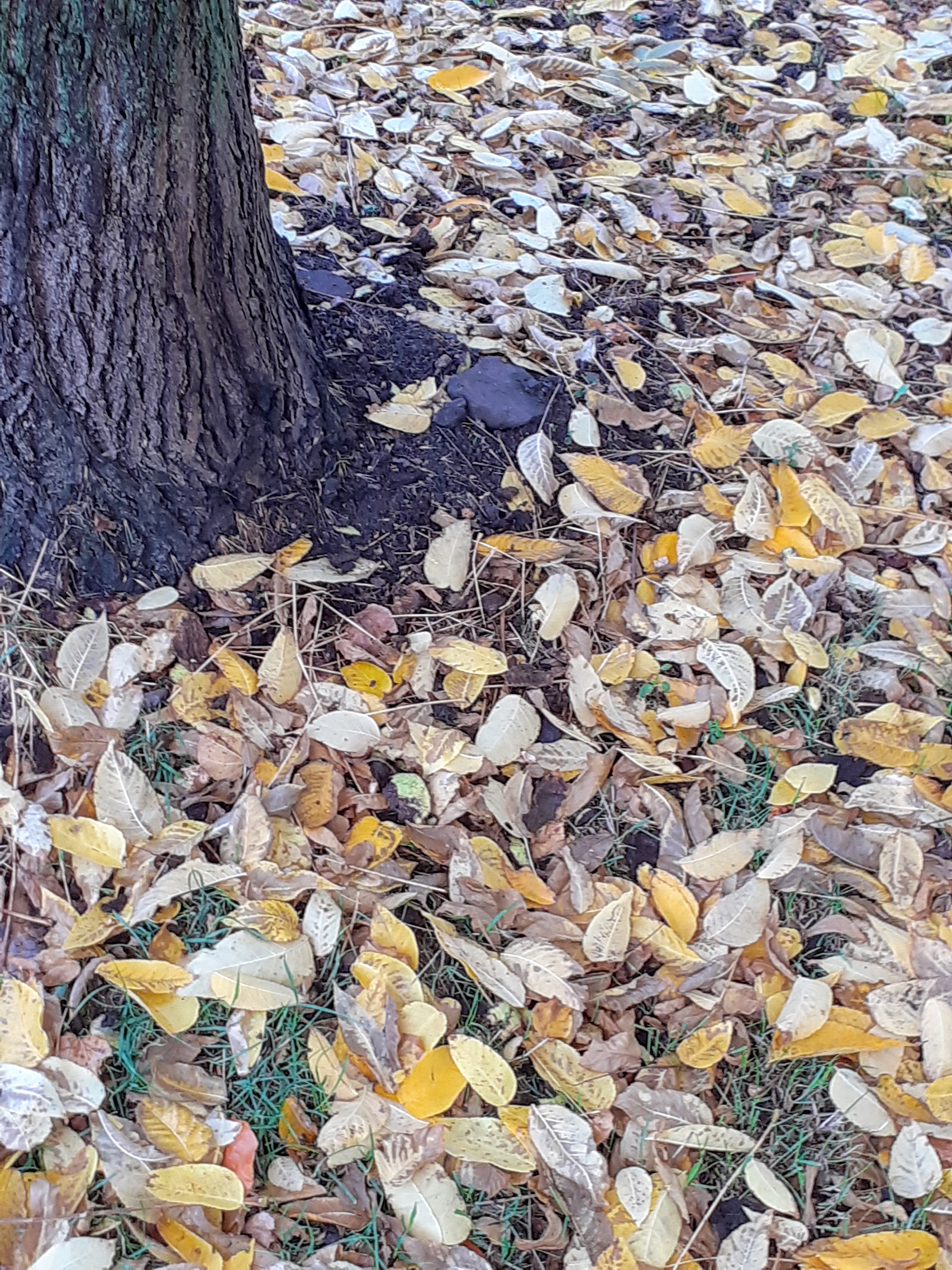
Vivid autumn colour signals a fall. Where I live, we are early in the process as yet. These leaves seem poignantly glorious to me. I respond to a beauty that I know will be short-lived. The tree is immersed in a cycle of dying and regeneration that furthers its larger life. Any sense of poignancy, glory and beauty is about me, being human.

I think of the last thirty years, and my own small deaths and regenerations over this period as I journeyed from my early forties to my early seventies. At the beginning I sensed a pull towards new priorities, which roughly fitted the Jungian notion of the second half of life as having different goals from the first. I experienced a nudge towards an inward, psycho-spiritual turn. I developed interests in experiential inquiry, Druidry/Western Mysteries, and contemplative spirituality, as part of this mid-life nudge.

This reduced my interest in career, acquisition and influence – though such interest had always been limited. In the nineties and noughties, I didn’t need a lot of money both to live well, if modestly, and accrue a reasonable retirement income. It would be much harder now. I am grateful to have experienced (relatively) favourable times, though of course the seeds of our current crises were already being sown.

Now I am ready for a new chapter, as my wife Elaine and I get ready to move to a new place of our own in Gloucester. The next move is into a smaller, more manageable space, and will involve elements of de-cluttering. I am the same tree but I will be shedding leaves and waiting for new ones to grow next year. In the moment I feel fragile, though my unknowing about the future also has an edge of wonder about the magic that may unfold. Falling is an oddly potent process at a special time of year.

BEING IN PLACE

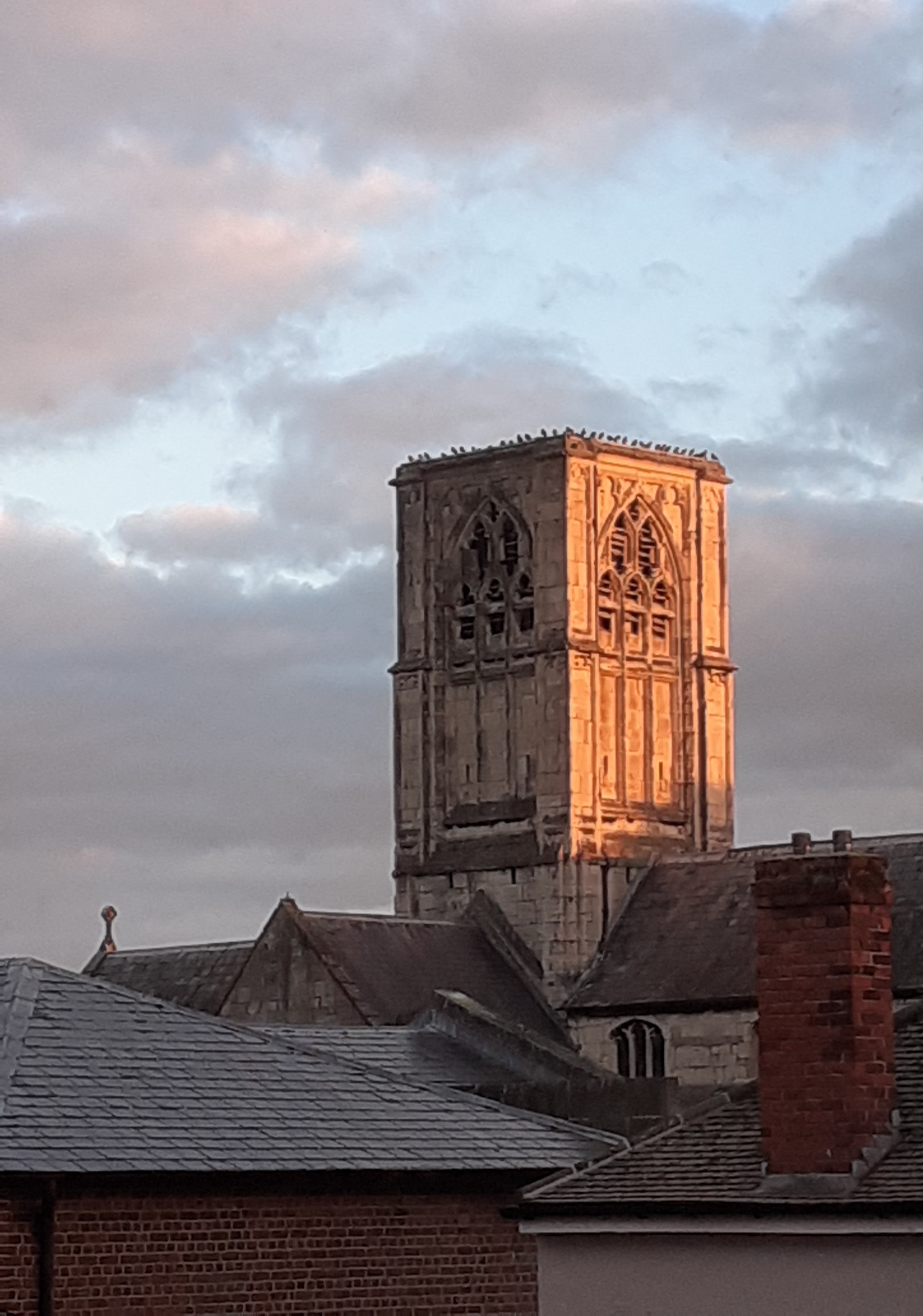
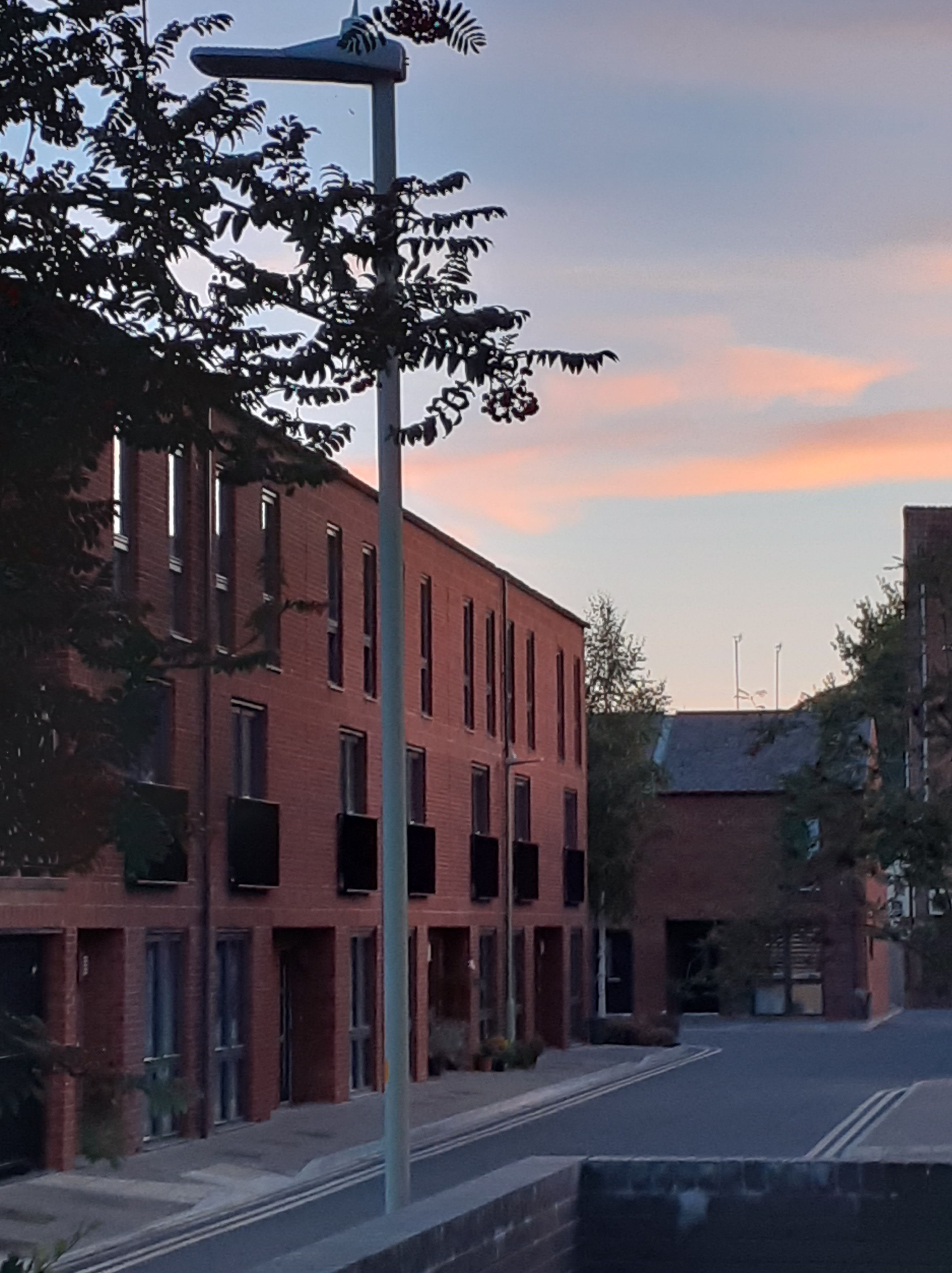
Dawn is late now, and all the more welcome when it comes. Looking out on the world after morning meditation, I see light shining on the tower of St. Mary Le Crypt. I am seeing with fresh eyes, and the knowledge that Elaine and I will be staying in Gloucester. A local house move is planned, conceivably before the turn of the year, a few minutes walk from here.

We will not be migrating north (1). Our plans fell through. We have some disappointment about this. But there’s also an element of relief that at the prospect of a less disruptive move. In many ways we are already settled. Moving house is now a major detail rather than a life-changing event. We can focus on being in place.

For me, this includes deepening my connection with the landscapes I walk in as the wheel of the year turns. Autumn is my favourite season and October can be a special month. This is my first year in Gloucester. Taking these October pictures, I can celebrate the here and now. Having them, I can enjoy the record of a new chapter in my life, with other years, with their own Octobers, to come. I don’t know what the future will bring. I do know that I find this framing nurturing and hopeful. It is part of bringing meaning to my world.

(1) https://contemplativeinquiry.blog/2022/08/20/northward-migration/

LEARNING ABOUT OUR PAGAN ANCESTORS, AND LEARNING FROM THEM

Recently I watched Ronald Hutton’s first Gresham College lecture about Gods of Pagan Britain on youtube (1). It sets the scene for a series, raising questions about what we can know about the spiritual lives of our ancestors, what we can fruitfully imagine, and how to tell the difference.

Professor Hutton explores two specific topics. The first is our current archaeological understanding of the Stonehenge monument on Salisbury Plain, England, together with its legendary history and place in the public imagination. The second is the case of the Lindow Man, who was violently killed and thrown into a peat bog in Derbyshire, thus partly preserving his body for conceivably (but probably not) 2,000 years. He has been widely considered, including at times by archaeologists, to be the victim of a Druid sacrifice, though Hutton points out that there are good reasons to question this.

I was drawn to this lecture, both informative and entertaining, by my interest in learning from an ancestral culture without its own texts, as well as about it. This is part of my reason for following a modern Druidry that embraces indigenous themes long pre-dating the Druidry of the Celtic iron age. The people who built Stonehenge in the third millennium BCE bequeathed us the wheel of the year, with its circle and cycles, and its focus on the solstices and equinoxes. We can be inspired by this and honour the ancestors by embedding it in our own lives in ways that suit our time and culture.

For readers who have not yet seen and heard the lecture, I recommend that you take a look at the video.

(1) https://youtube.com/watch?v=QjC0lGr4h04&t=5s/

Ronald Hutton is Professor of History at the University of Bristol, a specialist in Pagan and Druid studies, and enjoys a very high reputation within both the academic and Pagan communities.

BEYOND THE EQUINOX: THE PLEASURES OF A LATE SEPTEMBER WALK

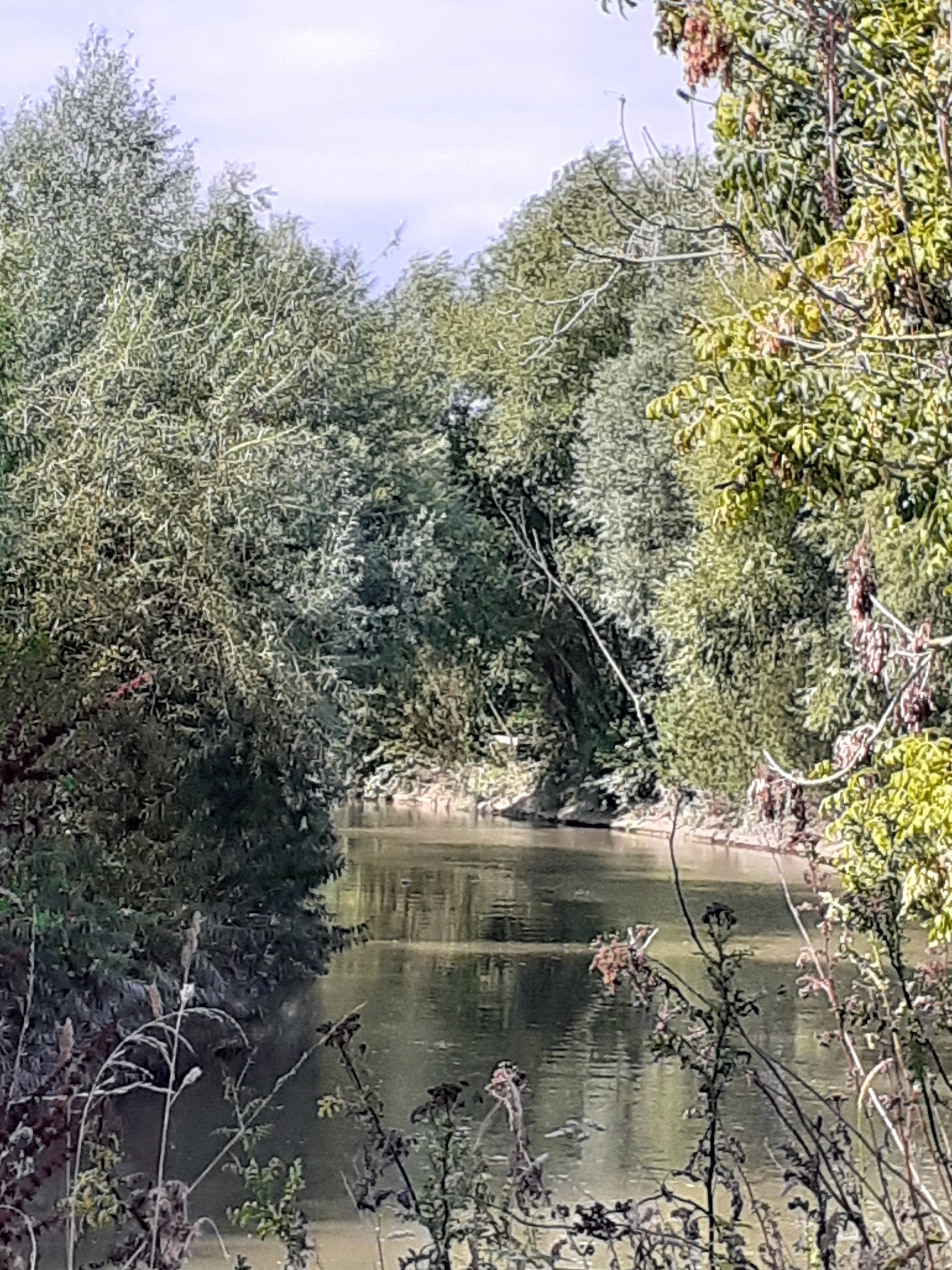
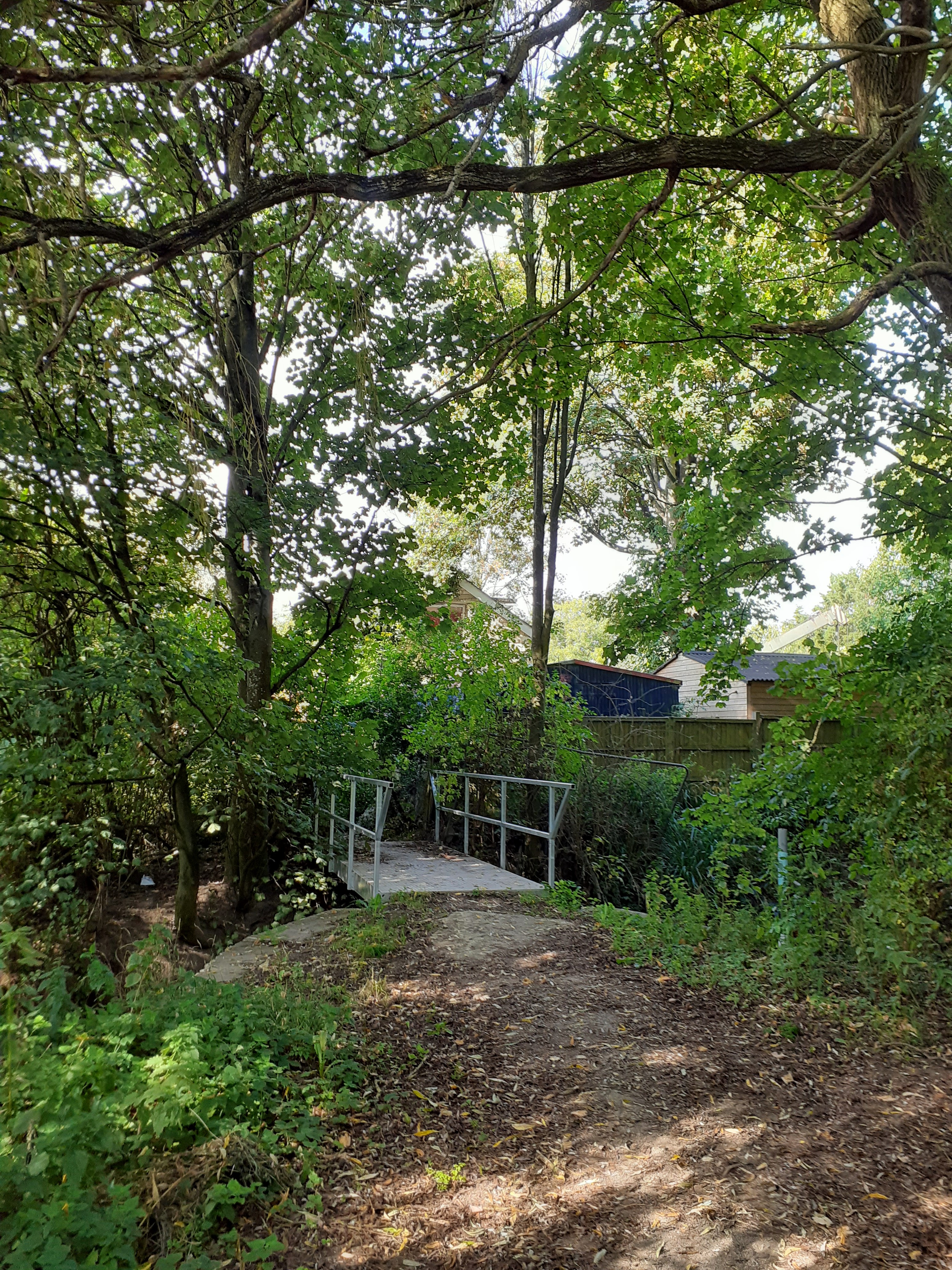
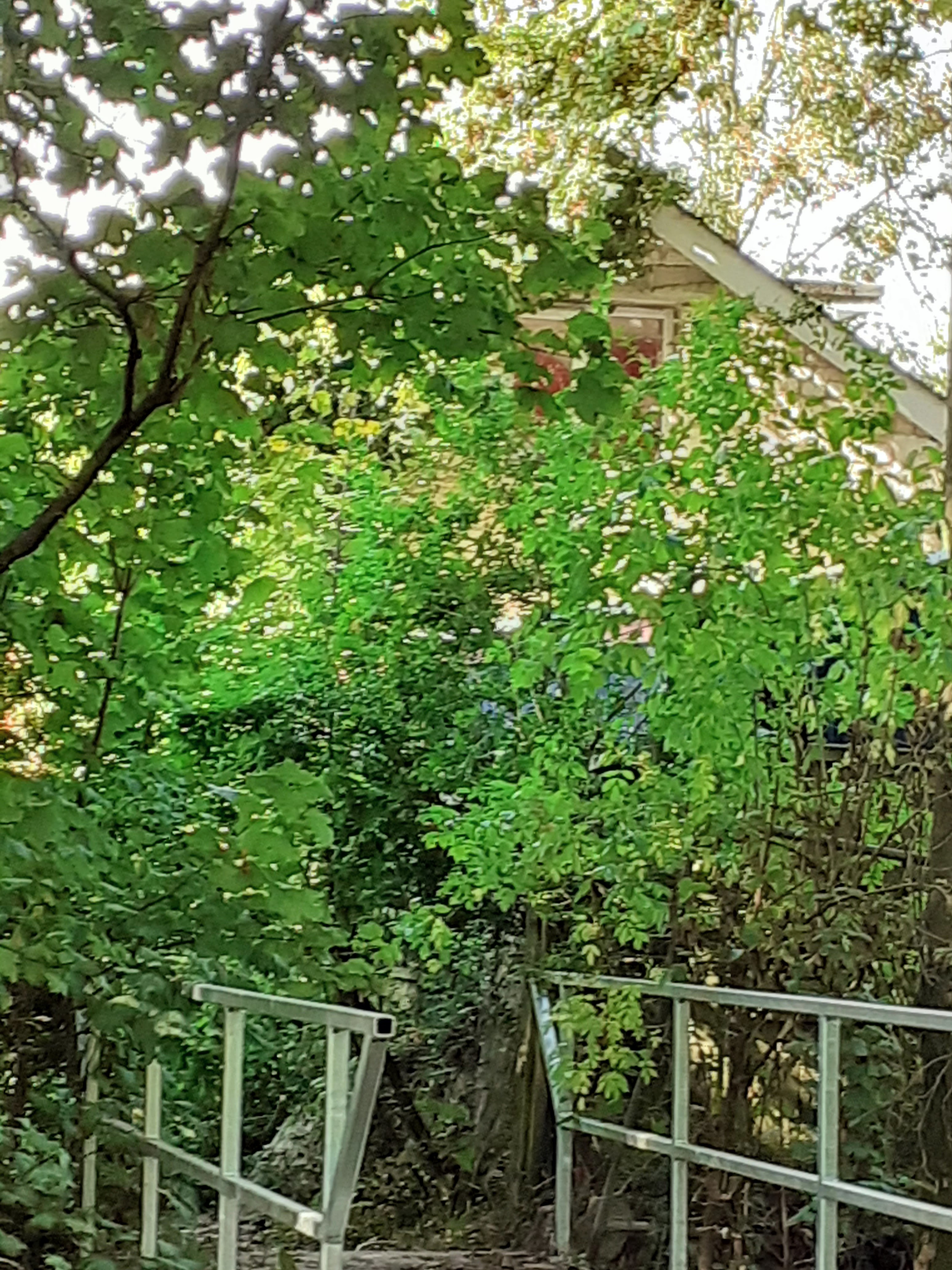
Some days seem truly blessed and easy. For me this autumn moment is one of them. I have stumbled across a previously unknown place that radiates the beauty of the season. Woods and river call to me and I respond. I like being where I am, open to the day, free of complications.

I like not knowing what’s round the next corner, whilst enjoying the new spaces I am already in. I notice how small changes of position alter the feeling-tone of place.

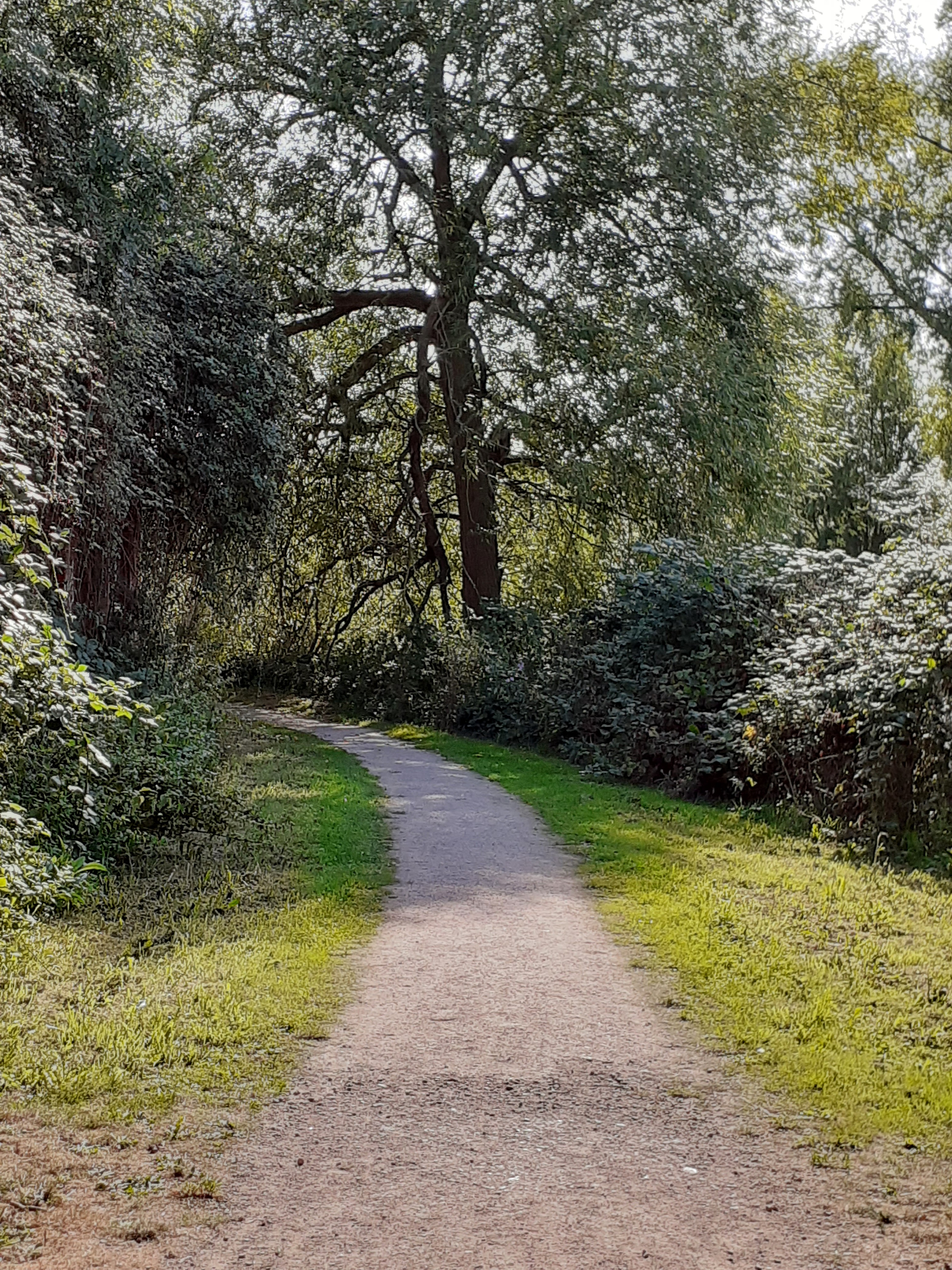
There’s little to say, at a time like this. There is the experience and there is the visual record. I hope the images suggest something of my simple delight in being here.

The path below seems to be telling me that there’s always somewhere else to go, but here is where I decide to stop taking pictures. A certain kind of moment is over, and best recognised as such. Nonetheless, I bask in the happiness of connecting with this new and unsuspected space.

ALBAN ELFED: A TIME FOR RECEPTIVITY?

Blessings of the season! Where I live, the sun is descending but still has a certain power. We have entered the period of the Autumn Equinox, honoured by modern Druids in the festival of Alban Elfed. Traditionally, the emphasis has been on harvest, but Dana O’Driscoll (1) suggests ‘receptivity’ as a resonant theme, “because with receptivity, rather than cultivating an expectation of what we want and expect to come, we are open to what is and what comes our way”.

She relates her approach to the changes that the world is experiencing now. “It is a counter balance to the effort-reward cultural narrative that is tied to the Fall Equinox and themes of harvest. There is one enormous problem with the effort/reward theme on a larger cultural level. It belongs to a different age. It belongs to the Holocene, an 8,000-11,000 year period of stable climate that allowed humans to develop agriculture, allowed humans to have some predictability about their surroundings, and allowed us to develop symbolic understandings like those drawn upon for the modern wheel of the year. … But we are not in the Holocene any longer, both climate-wise and culturally; we’ve moved on to the Anthropocene … characterized by human-driven planetary changes which destabilize every aspect of our lives.”

I find the call to receptivity challenging. Part of me wants the late Holocene back, in a reformed version – socioeconomically, culturally, technologically. Part of me accepts that it has gone for good but doesn’t want to acknowledge the speed and severity of the transition. Currents of anger, fear and grief cry out for recognition. These are as much part of my life-world as are the climate crisis itself, initiatives for adaptation, and the forces undermining those initiatives. I somehow have to find a receptive space for all of the above, without being overwhelmed.

The good news is that my ‘receptivity’ seems to be sourced by a deep peace at the heart of experience, a peace that grows rather than diminishes with time. In my daily practice as a modern Druid I call for peace in the east, south, west, north, deep earth & underworld [below], and starry heavens [above]. Then I say: “I stand in the peace of the centre, the bubbling source from which I spring, and heart of living presence”. These words are vibrant with life for me however often I declaim them. I experience this deep peace as a fruit of my contemplative inquiry. Perhaps there is a harvest aspect here after all.

Certainly, to stand in such peace empowers my receptivity, linking it to other qualities like reverence, delight and awe. None of this changes the world. But it allows me to contemplate it with an underlying confidence, and to face its challenges in a more resourceful way. I am very happy to mark Alban Elfed as a feast of receptivity.

(1) https://thedruidsgarden.com/ – see Fall Equinox: a Spirit Walk and its internal reference to Equinox on Receptivity

NOTE: Pennsylvania-based Dana O’Driscoll is steeped in Druidry and the US homesteading movement. She is Grand Archdruid of the Ancient Order of Druids in America (AODA) and an OBOD Druid. She is a Mount Haemus scholar, lecturing on Channeling the Awen in 1912.

See also: https://contemplativeinquiry.blog/2021/06/09/book-review-sacred-actions/ )

For AODA, see: https://aoda.org/

LIFE-FORCE: A TAOIST UNDERSTANDING

“Three subtle energy currents:

Twin helixes around a jade pillar.

This glowing presence

Is the force of life itself.

“Deep in meditation, it is possible to become aware of the life-force itself. You can see it if you learn to look within. To describe it as electricity, or power, or light, or consciousness is all somewhat correct. But such descriptions are inadequate. You have to see it for yourself. You have to feel it for itself. You have to know it for yourself.

“To be in its presence is to be in something primeval, basic, mysterious, shamanistic and profound. To be in its presences makes all references mute and all senses slack, leaving only deep awe. One is drawn to it in utter fascination. It is the mighty flame to our mothlike consciousness.

“This column of energy that coils around itself holds all the stages of our growth. It is our soul; it is the force that animates us and gives us awareness. If you want to engage your life completely, it is essential for you to come to terms with this inner power. Once you harmonize with it you can blend with the dynamics of being human.”

Deng Ming-Tao 365 Tao: Daily Meditations New York, NY: HarperOne, 1992

Earth Eclectic

music that celebrates Earth and speaks to the heart

Sarah Fuhro Star-Flower Alchemy

Follow the Moon's Cycle

Muddy Feet

Meeting nature on nature's terms

Rosher.Net

A little bit of Mark Rosher in South Gloucestershire, England

Becoming Part of the Land

A monastic polytheist's and animist’s journal

selkiewife

Selkie Writing…

Charlotte Rodgers

Images and words set against a backdrop of outsider art.

Prof Jem Bendell

living with metacrisis and collapse

Towint

The pagan path. The Old Ways In New Times

The Druids Garden

Spiritual journeys in tending the living earth, permaculture, and nature-inspired arts

The Blog of Baphomet

a magickal dialogue between nature and culture

This Simple Life

The gentle art of living with less

Musings of a Scottish Hearth Druid and Heathen

Thoughts about living, loving and worshiping as an autistic Hearth Druid and Heathen. One woman's journey.

Wheel of the Year Blog

An place to read and share stories about the celtic seasonal festivals

Walking the Druid Path

Just another WordPress.com site

anima monday

Exploring our connection to the wider world

Grounded Space Focusing

Become more grounded and spacious with yourself and others, through your own body’s wisdom

The Earthbound Report

Good lives on our one planet

Hopeless Vendetta

News for the residents of Hopeless, Maine