
LAO TZU ON WAR
by contemplativeinquiry
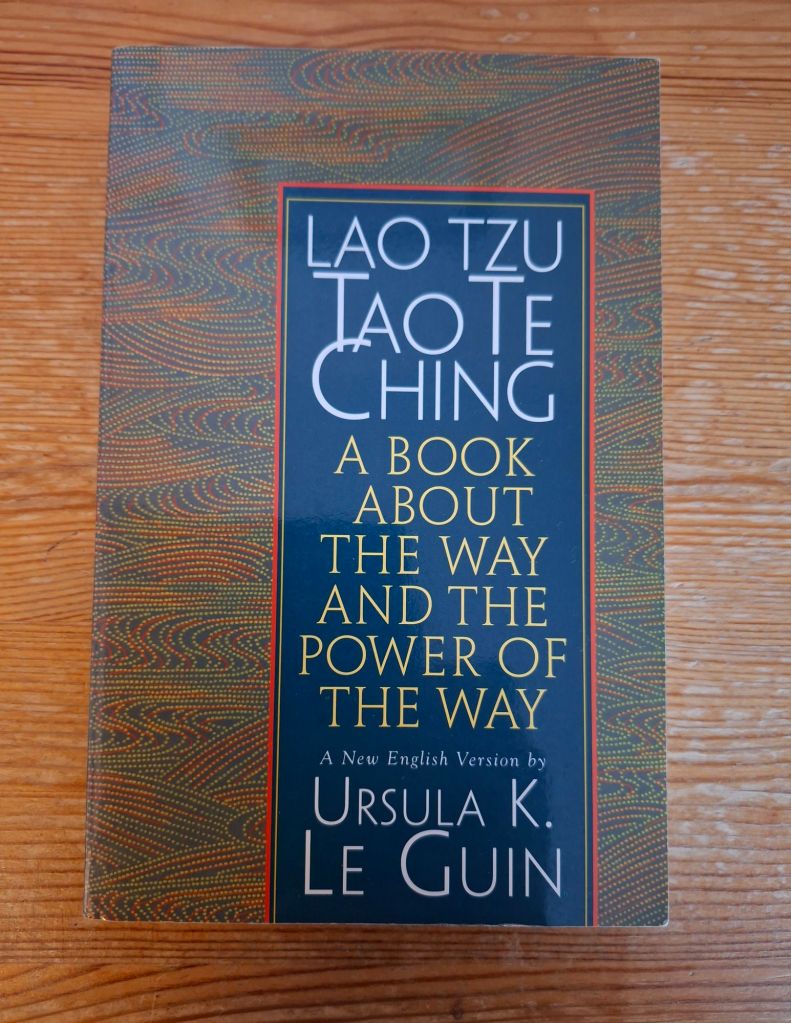
War, fear of war and preparations for war have increasingly marked the 2020’s. The problems with this approach to international conflict seem to have been forgotten by the world’s key decision takers. Yet they have been known for a long time. Tradition says that Lao Tzu wrote the Tao Te Ching in about 500 BCE, two and a half thousand years ago. This puts him in the ‘Warring States’ period of Chinese history, when the country was divided into several competing kingdoms. Two verses from the Tao Te Ching outline Lao Tzu’s views on war. They deserve careful contemplation.
30 NOT MAKING WAR
A Taoist wouldn’t advise a ruler
to use force of arms for conquest;
that tactic backfires.
Where the army marched
grow thorns and thistles.
After the war
come the bad harvests.
Good leaders prosper, that’s all,
not presuming on victory.
They prosper without boasting
or domineering or arrogance,
prosper because they can’t help it,
prosper without violence.
Things then perish.
Not the Way.
What’s not the Way
soon ends.
31 AGAINST WAR
Even the best weapon
is an unhappy tool,
hateful to living things.
So the follower of the Way
stays away from it.
Weapons are unhappy tools,
not chosen by thoughtful people,
to be used only when there is no choice,
and with a calm, still mind,
without enjoyment.
To enjoy using weapons
is to enjoy killing people,
and to enjoy killing people
is to lose your share in the common good.
It is right that the murder of many people
be mourned and lamented.
It is right that a victor in war
be received with funeral ceremonies.
Lao Tzu Tao Te Ching: A Book about the Power and the Way Boston & London: Shambhala, 1998 (A new English version by Ursula K. LeGuin with the collaboration of J. P. Seaton, Professor of Chinese, University of North Carolina, Chapel Hill)
See also:
https://contemplativeinquiry.blog/2019/08/06/ (The Tao of Ursula K. LeGuin)
 Contemplative Inquiry