
CONTEMPLATING THE ATTENTION ECONOMY
by contemplativeinquiry
In my early teens I read George Orwell’s novel 1984 (1) for the first time. Written in 1948, it depicted a totalitarian regime based on the Fascist and Stalinist models of the day. It ruled through mass surveillance, lethal repression and unending war. In the hope of crushing dissent completely, the state was developing a new language – newspeak – to be rolled out to the population over time. It would be simplified in such a way that, in the end, people would no longer be able even to think independent thoughts or dream non-approved dreams. The words, once merely forbidden, would eventually be forgotten.
We live now in a hyper-capitalist world which, in a different way, is adopting some of the same characteristics and could well go further down this road. Runaway wealth is no longer adequately restrained either by market competition or by public regulation. We have revived the ancient Greek term ‘oligarchy’ to describe what is happening. People who used to be called tech bros have morphed into tech lords. Over time, they have developed an ‘attention economy’ in which our attention creates their wealth.
Our thoughts and feelings have become commodities, just as the earth, its life and its resources have been commodified over the centuries. Much of our communication has been transformed into a new form of raw material. As such, it has to be trained, manipulated and modified.
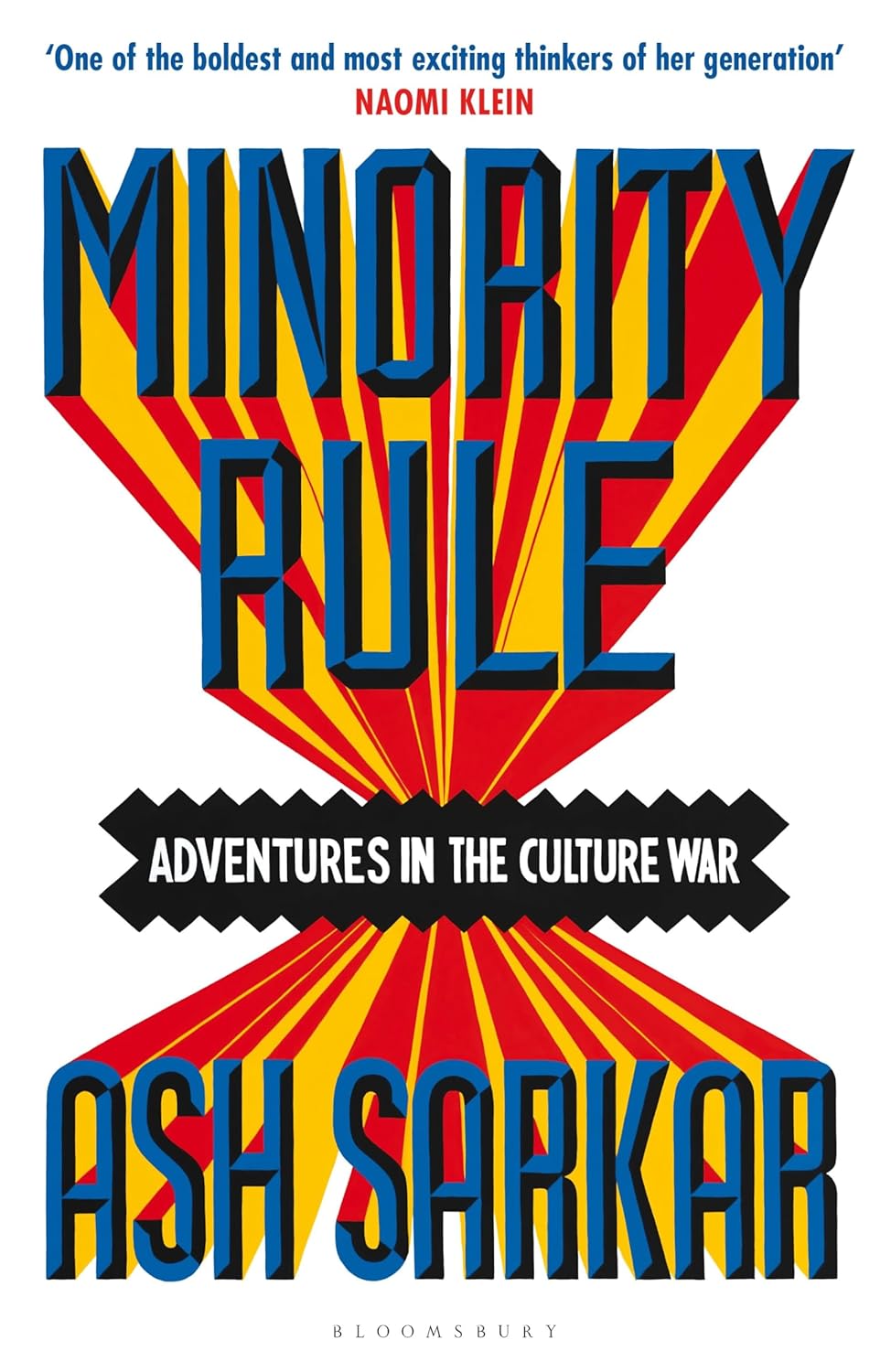
Ash Sarkar (2) explains: “attention, as well as being a commodity that can be monetised through digital platforms, is a psychological wage. … To be recognised is to be told that you matter, that your life has worth and that you have a place in the world. There’s nothing unhealthy about that. But our media and politics leverage the psychological wages of attention in a way that is utterly corrosive and warping. Though there is no shortage of content that flatters ‘ordinary Brits’ and ‘hard-working Americans’, this isn’t to let us know that we are loved. It’s more about telling us who’s hated. The message of who is good, moral and decent is conveyed through repeated propaganda about who is deviant, dangerous and illegitimate.”
Sarkar goes on to explain how this influences discourse in the wider media landscape: “to feed the ravenous appetites of the content economy, somebody tweeting something – regardless of how many followers they have, or how representative their post of is of a broader social phenomenon – is a decent enough pretext to publish a news story claiming that there’s a ‘Twitterstorm’ afoot.
“The job of a producer isn’t to think about how you might put together a panels of speakers and a line of questioning that can elucidate various facets of a particular topic: it’s to theatrically stage an argument that’s already taking place online, which itself has been fuelled by media coverage, which has been driven by social media engagement, in a feedback loop of content and outrage.
“The result of all this is that the threshold for what constitutes news has dramatically lowered, and reaction to that ‘news’ – the arousal of angry, impassioned attention at a speed that bypasses audience awareness – plays an outsized role in shaping the news cycle instead.”
I see this process as an alternative to the planned newspeak dictionary of 1984. It creates a narrowing of human attention, and therefore of human possibility. Complexity, dissent and nuanced perspectives are ruthlessly elbowed aside. Our own thinking and feeling are coarsened by immersion in this process.
How is this relevant to my contemplative inquiry? From some perspectives it wouldn’t matter at all. I could simply retreat from a mundane world which, from these perspectives, essentially doesn’t exist. An apparent dark turn is simply a move in the dance of the Cosmos. Acceptance is all.
But this is not my understanding or experience of the Cosmos. Eco-spirituality finds the divine within a loved material world: present in you, me and every fallen leaf. Hence an assault on the material world is an assault on the divine.
An assault on the complexity and wealth of human language is likewise an assault on the divine, as it manifests through human speech and culture. For me, drawing attention to these developments, and working to oppose them, is fundamentally a spiritual practice. William Blake, at the end of the eighteenth century, thought of it as ‘witnessing against the beast’.
(1) 1984 in George Orwell: the Complete Books Penguin Books (Kindle edition)
(2) Ash Sarkar Minority Rule: Adventures In The Culture War London: Bloomsbury Publishing, 2025
NB the ‘attention’ or ‘content’ economy is only one thread in this highly recommended book.
 Contemplative Inquiry
This is an important conversation, partly because our attention may be the most valuable thing we have. I can get more money or more stuff, but every second of wasted attention is gone forever. Mindfulness practice helps train our attention so that we can be more discerning about where we pay attention.
Thanks for your comment Adrian. I take your point the attentional training practices, like Mindfulness, can increase our discernment about what we attend to.