
‘LAWLESS LAW’S ENCLOSURE’
by contemplativeinquiry
“Fence now meets fence in owners’ little bounds
Of field and meadow large as garden grounds
In little parcels little minds to please
With men and flocks imprisoned ill at ease …
Each little tyrant with his little sign
Shows where man claims, earth glows no more divine,
But paths to freedom and to childhood dear
A board sticks up to notice ‘no road here’ …
Thus, with the poor, sacred freedom bade goodbye
And much they feel it in the smothered sigh
And birds and trees and flowers without a name
All sighed when lawless law’s enclosure came.”
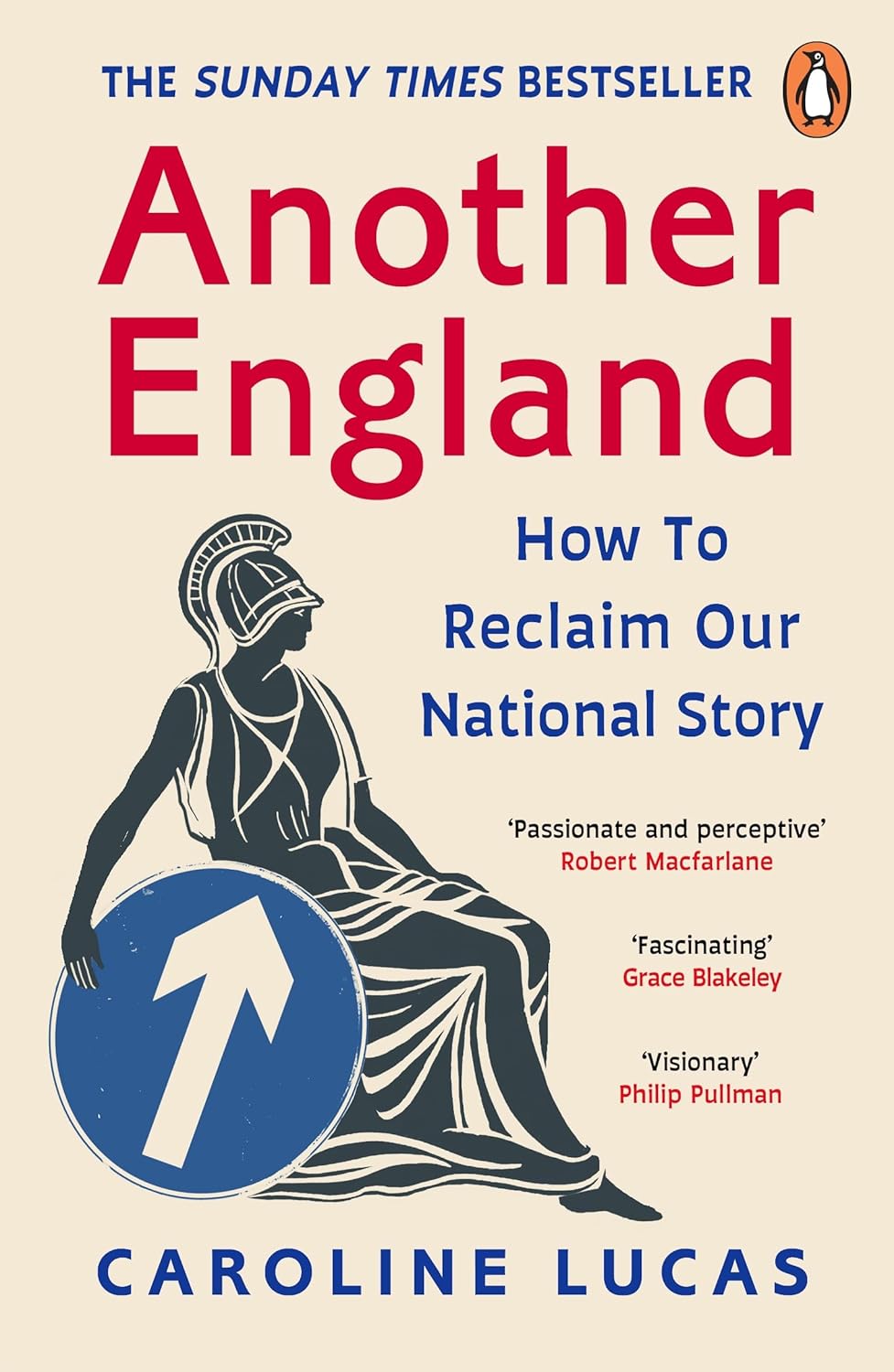
Poem by John Clare in Caroline Lucas Another England: How to Reclaim Our National Story (1)
Caroline Lucas comments: “in bearing witness to the impact of these changes, writers like Clare (2) formed the conscience of their time. One of the reasons that the enclosure movement was so powerful was that, seen purely in terms of short-term economics, it made sense. Having a whole field owned and farmed by one person was more ‘efficient’. And it was easier to control grazing if animals were confined to relatively small fields, rather than roaming about on large commons. Further, boosting the nations agricultural production could be seen as a ‘patriotic act’, good for England as well as for the landowner, and this helped those promoting enclosures to force them through in the face of popular resistance”.
Lucas goes on to cite the economic historian E. P. Thompson, who described Clare as a poet of ecological protest, whose radicalism lay in the fact that he ‘was not writing about man here and nature there, but lamenting a threatened equilibrium in which both were involved’.
The enclosure movement created landless labourers who had no choice but to take whatever work was offered by the new landowners, however low the wage. It was not planned or controlled for the good of the country, but in the interest of individual land holders and speculators. No provision was made for those who were displaced, even if they lost homes and livelihoods. Instead, enclosure was backed by the full power of the state, with anyone who objected liable to be tried, convicted and imprisoned or transported to the colonies – in this period (early C19th.) mostly Australia.
(1) Caroline Lucas Another England: How to Reclaim Our National Story Penguin Books, 2025 (First published by Hutchinson Heinemann 2024)
Caroline Lucas is a writer and campaigner. She was elected to Parliament for Brighton Pavilion in 2010, becoming the UK’s first Green Party MP. She also served as leader of the Green Party MP of England and Wales from 2008 to 2012 and as co-leader from 2016 to 2018 and, before that, was a Member of the European Parliament for ten years. She holds a PhD in English literature.
(2) John Clare (1793 – 1864) is described by his biographer Jonathan Bate as “the greatest labouring-class poet that England has ever produced.” In the poem above he describes the natural, economic, cultural and personal trauma of the last and most intensive phase of the English enclosure process: a time in which most of the remaining traditional commons were forcibly replaced by private ownership.
 Contemplative Inquiry